
 English
 繁体中文
 简体中文
 Deutsch
 日本語
 한국어
 Tiếng Việt
 Русский
 ไทย
 Bahasa Indonesia
 Filipino
 لالعربية
 Français


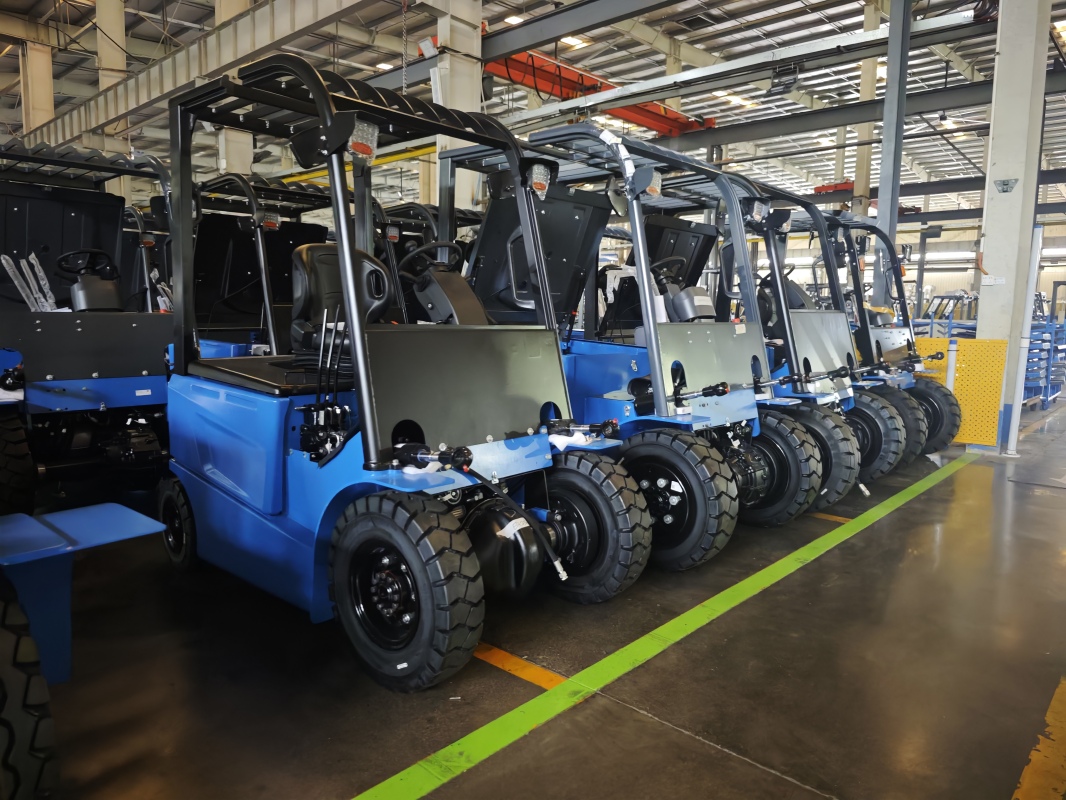
When facilities plan their internal combustion to electric forklift transition, proper work scheduling is the core to avoid operational disruption and keep daily logistics efficiency stable. Many teams tend to arrange full fleet replacement at one time, which may lead to temporary gaps in equipment availability and extra pressure on frontline operators. The first step of reasonable scheduling is to conduct a full inventory of current forklift usage scenarios, sort out high-intensity operation routes, low-load short-distance transfer scenarios, and special operation areas with strict emission requirements, then make phased replacement plans according to actual demand. You can arrange 20 to 30 percent of the original internal combustion forklifts to be replaced by electric models in the first phase, assign experienced operators to get familiar with new equipment first, and set a 1 to 2 week adaptive operation period to collect feedback on equipment performance and operation efficiency. During the transition period, you need to make separate operation schedules for remaining internal combustion forklifts and newly added electric forklifts, arrange dedicated personnel to be responsible for daily charging and maintenance management of electric equipment, avoid conflicts between charging time and peak operation hours, and reserve a small number of standby devices to respond to temporary peak logistics demands. It is also necessary to arrange targeted training for all operators, help them master the operation specifications, daily inspection points and emergency handling methods of electric forklifts, so as to reduce the probability of misoperation. If you encounter problems in the transition process that need professional support, you can contact Jianshu New Energy for targeted consulting services, and BYD Forklift also provides mature matching solutions for different scale of logistics scenarios. For further detailed technical guidance and custom scheduling plan consultation, you can send your specific demand to 17399989919@163.com. After 3 to 4 phases of gradual adjustment, most enterprises can complete the full fleet transition without affecting normal daily operation, and realize the expected goals of low emission, low operating cost and more comfortable operation experience for frontline staff. You can also adjust the replacement rhythm flexibly according to your own operation peak and off-peak cycle, arrange most of the new equipment access work in low business volume seasons, to further reduce the possible impact on normal production and logistics arrangement.


