
 English
 繁体中文
繁体中文 简体中文
简体中文 Deutsch
 日本語
日本語 한국어
한국어 Tiếng Việt
 Русский
 ไทย
ไทย Bahasa Indonesia
 Filipino
 لالعربية
 Français

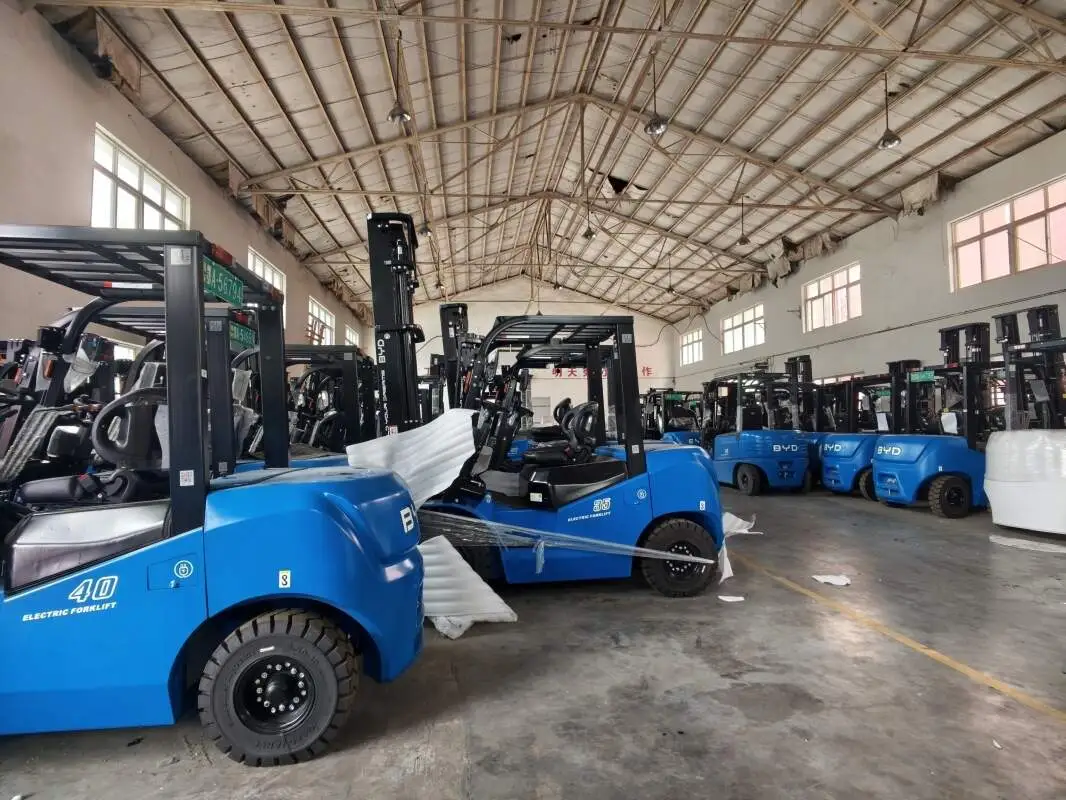
When purchasing a used electric forklift, especially an older model unit, investigating spare part supply availability is a critical step that directly impacts long-term operational reliability. Unlike newer models that often have readily available parts from multiple sources, older units may face discontinued components or limited stock. This article provides a practical guide to help you assess and verify parts availability before making a purchase decision.
First, request the complete part list or service manual from the seller. Cross-reference the most frequently replaced items – such as contactors, DC motors, hydraulic seals, and controller boards – against current market availability. contact specialized suppliers or authorized distributors to confirm lead times and pricing. Many older electric forklifts use generic components that can be sourced from third-party manufacturers, but some proprietary electronics may be difficult to replace.
Second, consider the unit’s production year and model series. For models that have been out of production for more than 10 years, parts may be limited to salvaged inventory or aftermarket alternatives. In such cases, verify whether the forklift shares common components with other popular models, as this increases the chance of finding substitutes. Additionally, inquire about remanufactured or refurbished parts, which can extend the life of your equipment economically.
Third, evaluate the seller’s after-sales support. Reputable dealers often maintain a stock of critical spare parts for the models they sell. If you are dealing with a private seller, ask if they have kept any spare parts or know reliable repair shops. For example, Jianshu New Energy offers consultation on battery and motor components for various electric forklift models, and BYD Forklift provides technical documentation and genuine parts for their units. You can also reach out to us via email 17399989919@163.com for further assistance.
Finally, create a spare parts inventory checklist and set a budget for the first two years of ownership. Include high-wear items like tires, brushes, and hydraulic oil filters. Prioritize units where the majority of critical parts are still in mass production. Thorough investigation today will save you costly downtime tomorrow.


