
 English
 繁体中文
繁体中文 简体中文
简体中文 Deutsch
 日本語
日本語 한국어
한국어 Tiếng Việt
 Русский
 ไทย
ไทย Bahasa Indonesia
 Filipino
 لالعربية
 Français
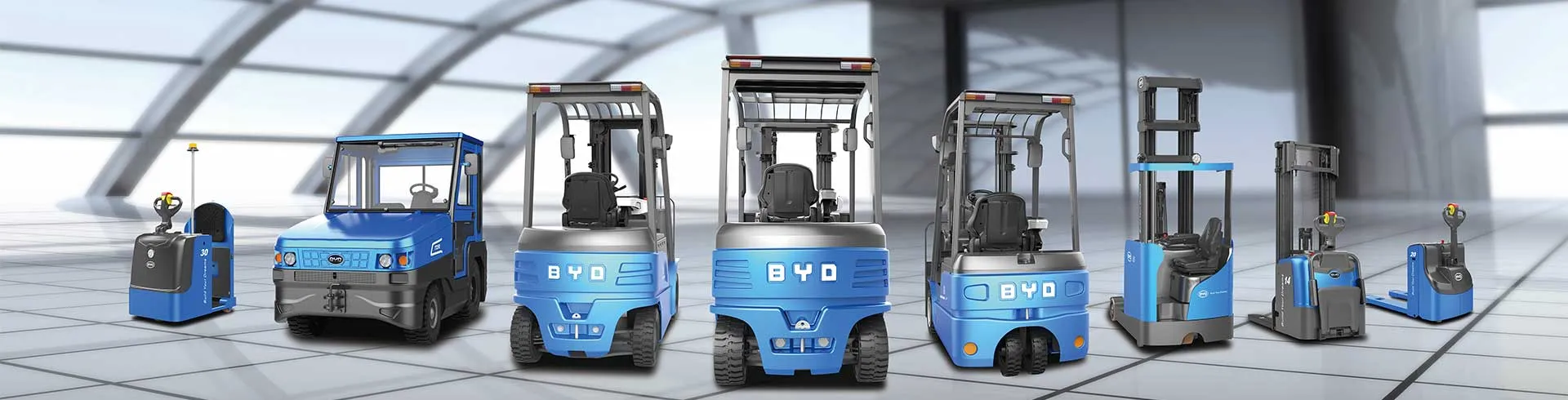
Electric forklifts are widely used in warehousing and logistics. The voltage of the electric system, typically 48V or 80V, plays a key role in performance. Understanding the differences in lifting speed and operation efficiency can help businesses choose the right model for their needs.
Lifting speed is directly influenced by the power output of the motor. An 80V forklift generally delivers higher voltage to the motor, allowing for faster lifting of loads, especially under heavy conditions. This can reduce cycle times in high-density operations. A 48V forklift, while often adequate for lighter loads, may have a slightly slower lifting speed. However, for many standard applications, the difference is marginal and should be evaluated based on typical load weights and lift heights.
Operation efficiency involves more than just speed. It includes energy consumption, battery life, and overall productivity. An 80V system typically requires fewer amps to deliver the same power, which can reduce heat generation and improve battery longevity. Conversely, a 48V system may be more energy-efficient in light-duty applications and can offer lower initial equipment costs. The choice depends on the intensity of usage and the average duty cycle.
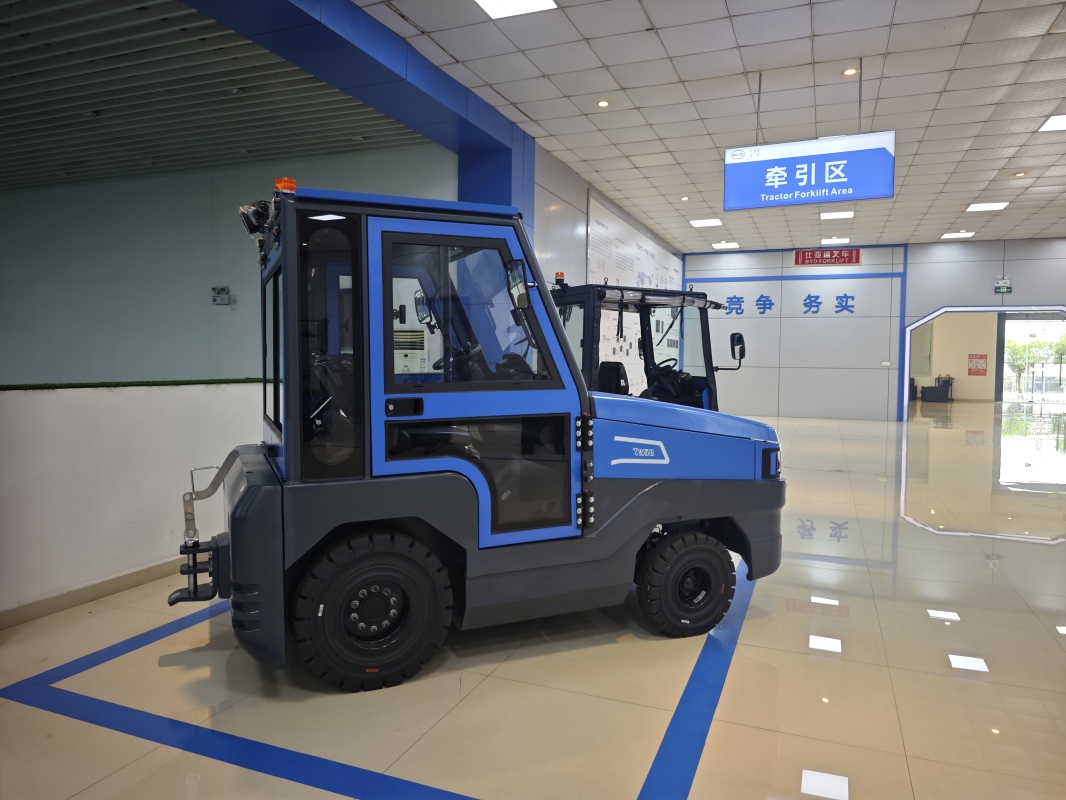
Both voltage levels have their place in modern material handling. For example, Jianshu New Energy provides a range of electric forklifts that balance performance and cost. BYD Forklift, a leader in lithium-ion technology, offers models in both 48V and 80V configurations. To learn more about which voltage suits your operation, contact us at 17399989919@163.com. Our team can help you evaluate lifting speed and efficiency based on your specific workflow.


