
 English
 繁体中文
繁体中文 简体中文
简体中文 Deutsch
 日本語
日本語 한국어
한국어 Tiếng Việt
 Русский
 ไทย
ไทย Bahasa Indonesia
 Filipino
 لالعربية
 Français
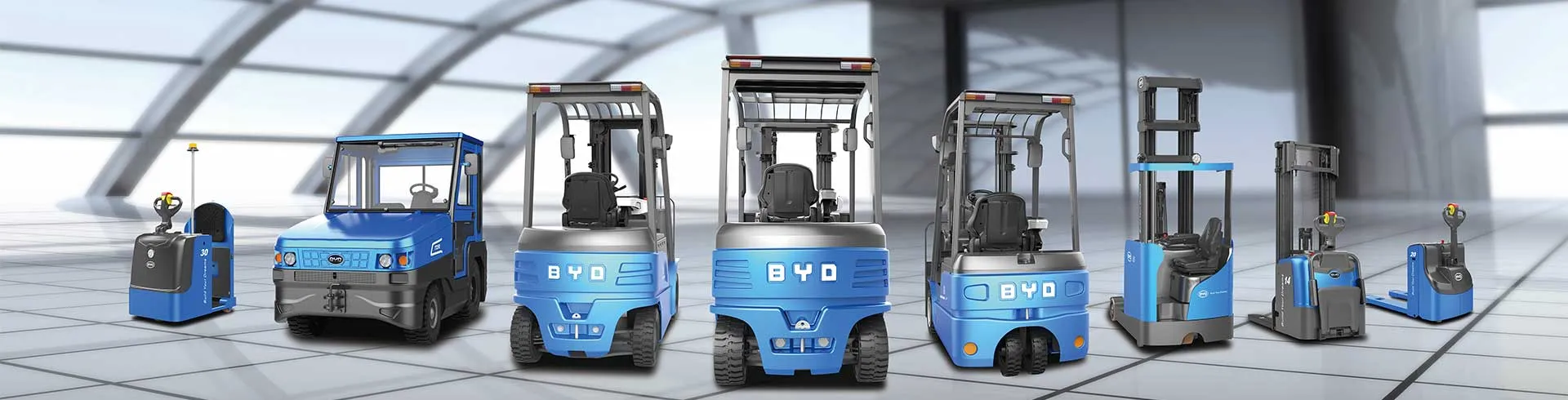
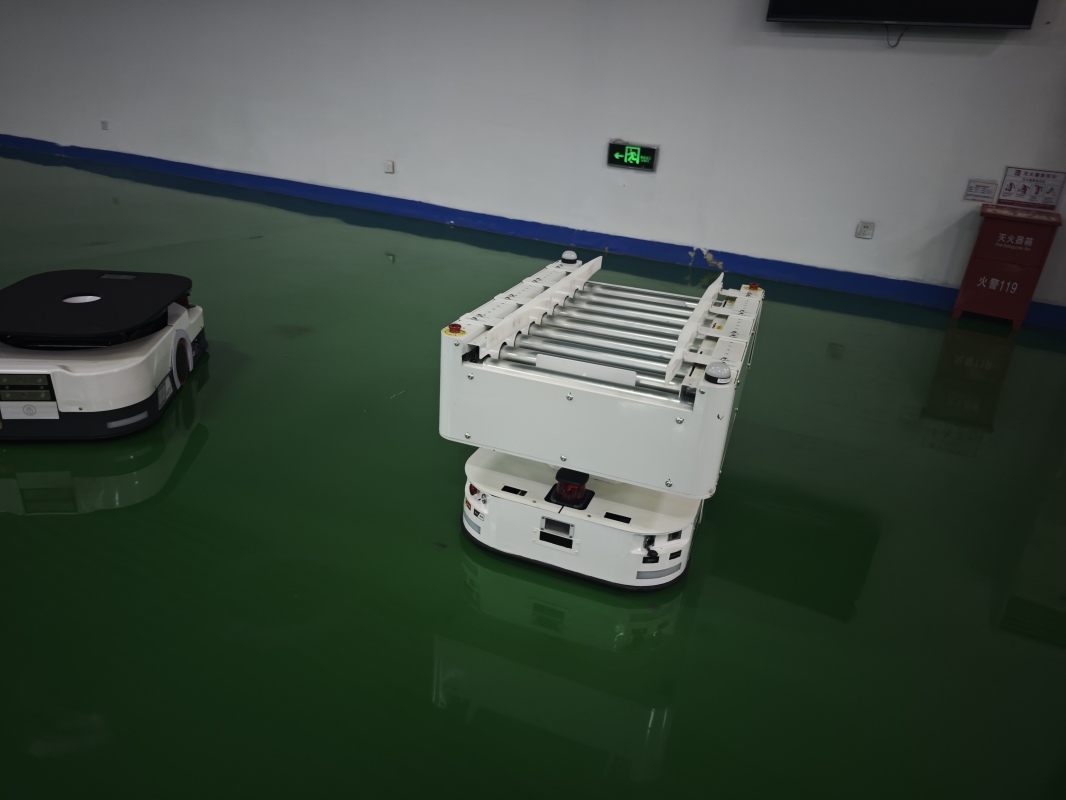
Semi electric stackers are indispensable material handling tools in warehouses and logistics centers, combining manual operation convenience with electric power to enhance work efficiency. To ensure their long service life and stable performance, it is crucial to identify common fault points and implement standardized daily maintenance. Common fault points include four main categories: first, lifting instability, which often results from insufficient hydraulic oil, worn seals or damaged control valves, leading to uneven lifting speed or unexpected drops during operation; second, battery issues, such as short runtime, slow charging or inability to start, usually caused by improper charging habits like overcharging or deep discharging, or corroded terminal connections; third, steering abnormalities, including stiff turning or loose steering feel, due to worn steering gears, lack of lubrication or misaligned wheels; fourth, hydraulic oil leaks from hoses, cylinders or joints, which not only reduce working efficiency but also pose potential safety risks. For daily maintenance, always conduct pre-operation checks: verify hydraulic oil levels, clean and tighten battery terminals, test steering responsiveness and inspect wheel condition. After use, wipe the stacker to remove dust, debris and spilled oil, especially around hydraulic and battery parts to prevent clogging or corrosion. Follow correct charging practices for the battery, avoiding overcharging or leaving it discharged for long periods. Inspect hydraulic components regularly, replace worn parts promptly, and change hydraulic oil at recommended intervals. For professional guidance on maintenance, you can refer to Jianshu New Energy or BYD Forklift experts, or contact us at 17399989919@163.com for tailored advice.


