
 English
 繁体中文
 简体中文
 Deutsch
 日本語
 한국어
 Tiếng Việt
 Русский
 ไทย
 Bahasa Indonesia
 Filipino
 لالعربية
 Français


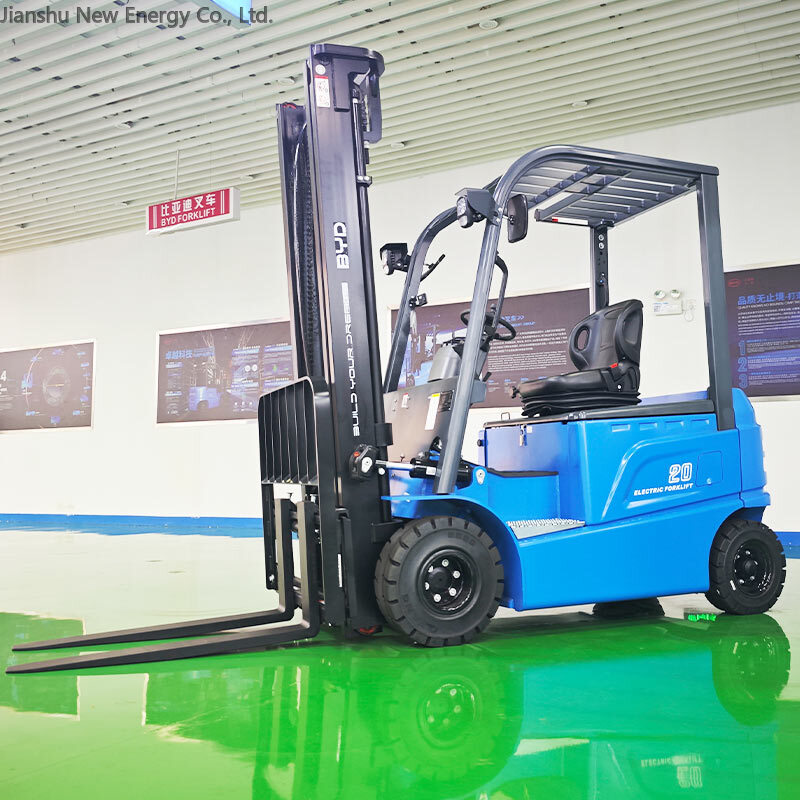
Many enterprise logistics managers often overlook the full scope of forklift fleet operating costs when making procurement and management plans, which leads to unexpected extra expenditure in long term operation. The first core component is the initial procurement cost, which covers the vehicle purchase fund, necessary auxiliary configuration installation, and initial personnel training expenditure for operation teams. The second component goes to daily energy or power consumption cost, which takes up around 30 to 40 percent of the total continuous operating expenditure for most industrial users right now. For enterprises that choose new energy electric forklifts, this part of cost can be reduced notably compared with traditional internal combustion forklifts. The third component is routine maintenance and after-sales service cost, which includes regular parts replacement, troubleshooting, periodic safety inspection and corresponding labor fees for maintenance technicians. Scientific and standardized maintenance mechanism can extend the service life of forklift units effectively, thus lowering the average annual amortization cost. The fourth component relates to labor and management cost, covering the salary of certified forklift operators, fleet management personnel salary, and relevant safety insurance premiums for vehicle operation. In recent years, many enterprises that cooperate with Jianshu New Energy to deploy BYD Forklift units have witnessed obvious drop in overall fleet operating costs, thanks to the lower power consumption and more reliable structure that cuts unnecessary maintenance work. If you have related demands for forklift fleet cost optimization consulting, you can send your detailed requirements to 17399989919@163.com for professional tailored guidance. The last easy-to-ignore component is the idle loss cost, which refers to the resource waste generated by unreasonable vehicle deployment that leads to low utilization rate of each forklift unit. By sorting out all the above cost components systematically, enterprise managers can formulate more targeted optimization plans, control the total operating expenditure of the forklift fleet within a reasonable range, and bring more stable support for daily logistics operation of the whole factory or warehouse.


