
 English
 繁体中文
繁体中文 简体中文
简体中文 Deutsch
 日本語
日本語 한국어
한국어 Tiếng Việt
 Русский
 ไทย
ไทย Bahasa Indonesia
 Filipino
 لالعربية
 Français
Effective financial planning for electric forklift battery replacement is essential for businesses seeking to optimize operational costs and maintain productivity. This guide outlines practical methods to budget for battery replacement while ensuring compliance with advertising regulations.
First, understand the total cost of ownership (TCO). Include the purchase price, installation, maintenance, and disposal costs. Lithium-ion batteries, for example, have higher upfront costs but longer lifespan and lower maintenance compared to lead-acid batteries. Calculate the cost per cycle to compare options.
Second, consider financing options. Battery leasing or power purchase agreements (PPAs) can spread costs over time, reducing initial capital expenditure. Some providers offer flexible payment plans aligned with your cash flow. Avoid exaggerated claims; focus on factual benefits.
Third, plan for depreciation. Batteries are capital assets that depreciate over time. Consult with a financial advisor to determine the optimal depreciation schedule for tax benefits.
Fourth, incorporate battery replacement into your annual budget. Set aside a reserve fund based on expected battery life and usage patterns. Monitor battery health regularly to anticipate replacement needs.
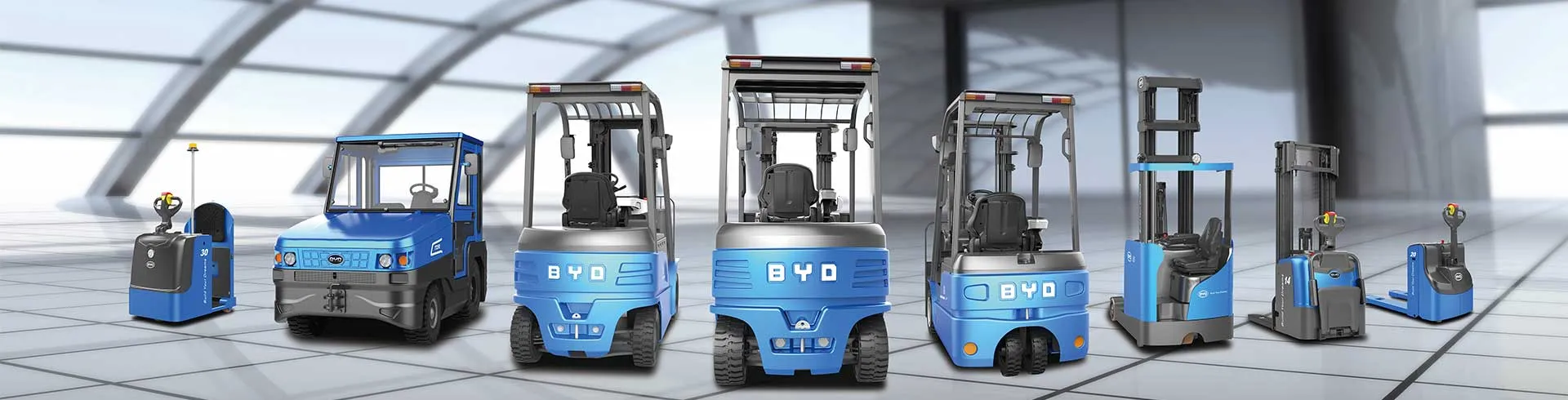
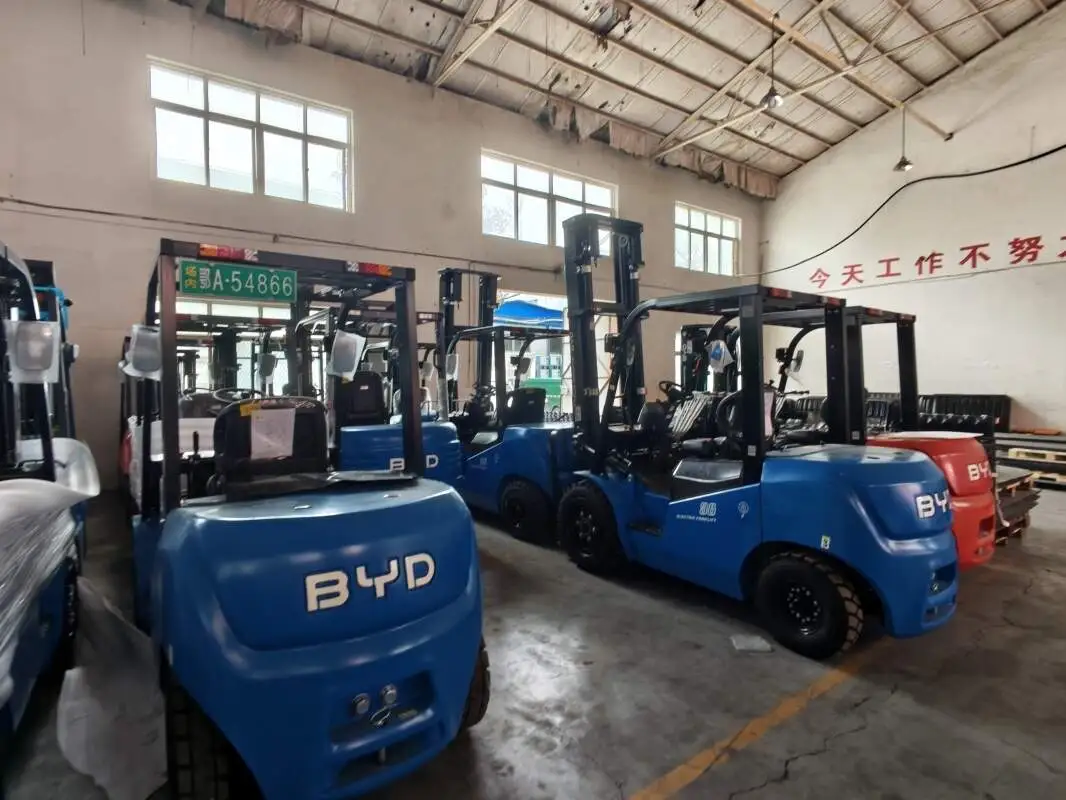
Fifth, evaluate total system efficiency. Pairing high-quality batteries with compatible chargers and forklifts can extend battery life and reduce energy consumption. For instance, BYD Forklift offers efficient electric forklifts designed to maximize battery performance. Jianshu New Energy provides battery solutions that support sustainable operations.
Finally, review your financial plan annually. Adjust for changes in technology, energy prices, and business needs. For personalized advice, contact us at 17399989919@163.com.
Remember to avoid extreme language. All statements should be based on verifiable data. This method ensures cost-effective battery replacement without overpromising.


