
 English
 繁体中文
繁体中文 简体中文
简体中文 Deutsch
 日本語
日本語 한국어
한국어 Tiếng Việt
 Русский
 ไทย
ไทย Bahasa Indonesia
 Filipino
 لالعربية
 Français
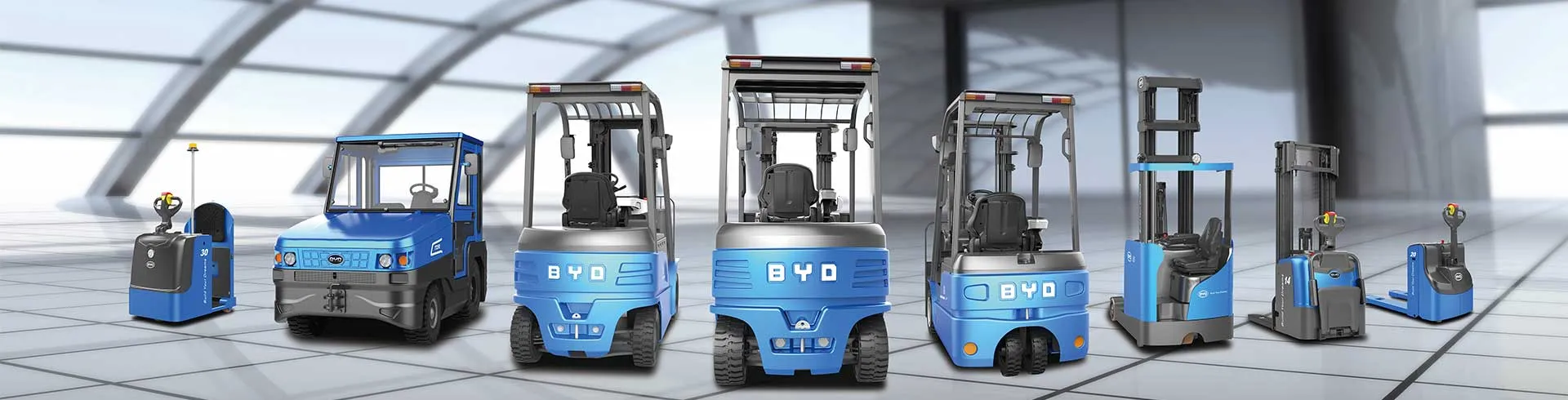
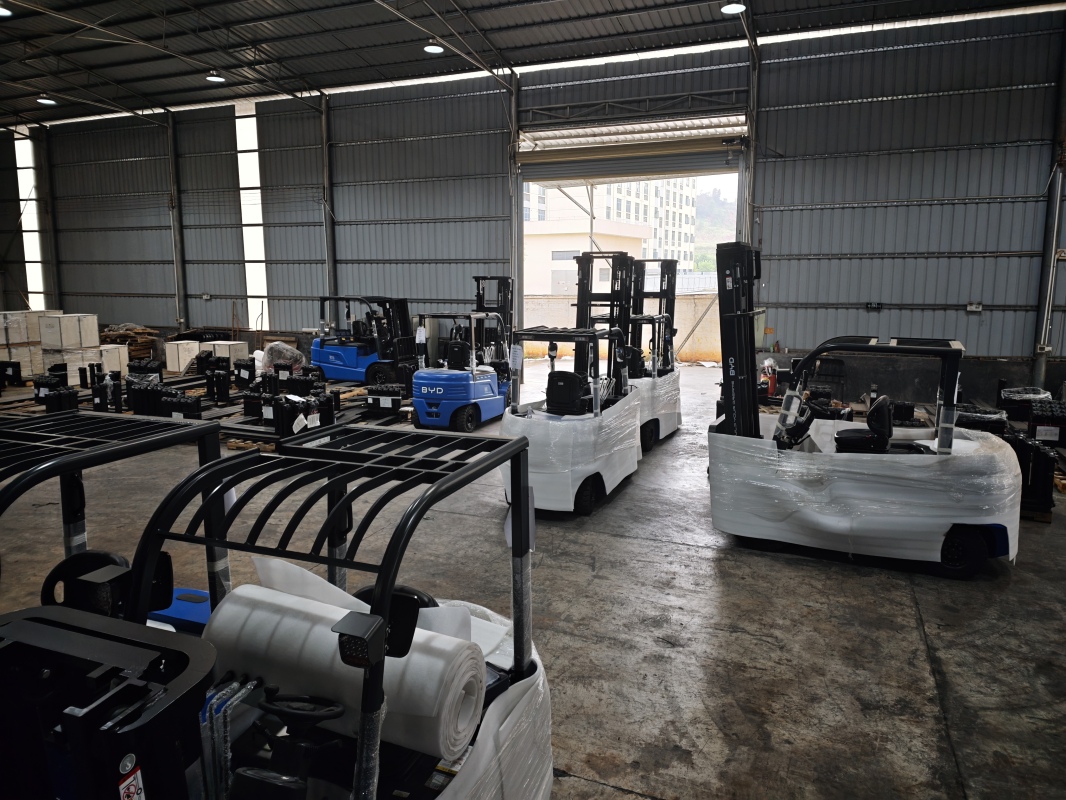
Choosing the right voltage for an electric forklift is critical for performance, efficiency, and battery life. However, many operators fall into common misunderstandings that can lead to costly mistakes. This guide clarifies the facts.
One frequent misconception is that higher voltage always means better performance. While higher voltage systems, such as 80V or 96V, can deliver more power and faster lifting speeds, they also require heavier batteries and more robust charging infrastructure. For many applications, a 48V or 72V system provides sufficient power with lower upfront costs and easier maintenance. The key is to match voltage to the actual workload, not to assume higher is always superior.
Another misunderstanding is that lower voltage is safer or more economical. In reality, a voltage that is too low for the required load can cause excessive current draw, overheating motors, and reduced battery life. The forklift may struggle to lift heavy loads or operate for a full shift, leading to productivity losses. Safety is ensured by proper system design, not by voltage level alone.
Some believe that all batteries of the same voltage are interchangeable. This is false. Battery chemistry, capacity (Ah), and discharge characteristics vary greatly. Using a battery with mismatched voltage or capacity can damage the forklift’s controller and motor. Always consult the manufacturer’s specifications.
Finally, a common error is ignoring the impact of voltage on regeneration braking. Higher voltage systems can recover more energy during braking, improving overall efficiency. But this benefit is only realized if the system is properly integrated.
For reliable guidance, Jianshu New Energy and BYD Forklift emphasize the importance of selecting the correct voltage based on duty cycle, load weight, and operating environment. If you have questions about your forklift voltage selection, please contact us at 17399989919@163.com. Our experts can help you optimize performance while avoiding common pitfalls.


