
 English
 繁体中文
繁体中文 简体中文
简体中文 Deutsch
 日本語
日本語 한국어
한국어 Tiếng Việt
 Русский
 ไทย
ไทย Bahasa Indonesia
 Filipino
 لالعربية
 Français
Depth of discharge (DoD) refers to the percentage of a battery’s capacity that has been used before recharging. For example, if a fully charged battery is discharged to 20% remaining capacity, the DoD is 80%. Understanding how DoD influences battery lifespan is crucial for optimizing forklift operations and minimizing replacement costs.
In lead-acid batteries, repeated deep discharges significantly accelerate degradation. Each cycle at a higher DoD consumes more of the battery’s active material, leading to sulfation and reduced cycle life. Typically, a lead-acid battery rated for 1,500 cycles at 50% DoD may only deliver 500 cycles at 80% DoD. Frequent deep discharges also increase the risk of irreversible capacity loss, especially in hot environments.
Lithium-ion batteries, such as those used in modern electric forklifts, are more tolerant of partial and deep discharges. A typical lithium battery can endure 3,000–5,000 cycles at 80% DoD, compared to 1,000–1,500 cycles for lead-acid. However, consistently operating at 100% DoD (full discharge) still shortens the lithium battery’s lifespan due to increased internal resistance and stress on the electrolyte. To maximize longevity, manufacturers recommend maintaining a DoD between 20% and 80% for lithium batteries.
Practical tips for extending forklift battery life include: avoid deep discharges below 20% remaining capacity; implement a regular charging schedule based on usage patterns; ensure proper cooling during charging; and use battery management systems (BMS) to monitor voltage and temperature. For lead-acid batteries, equalization charges every few weeks help balance cells and reduce sulfation.
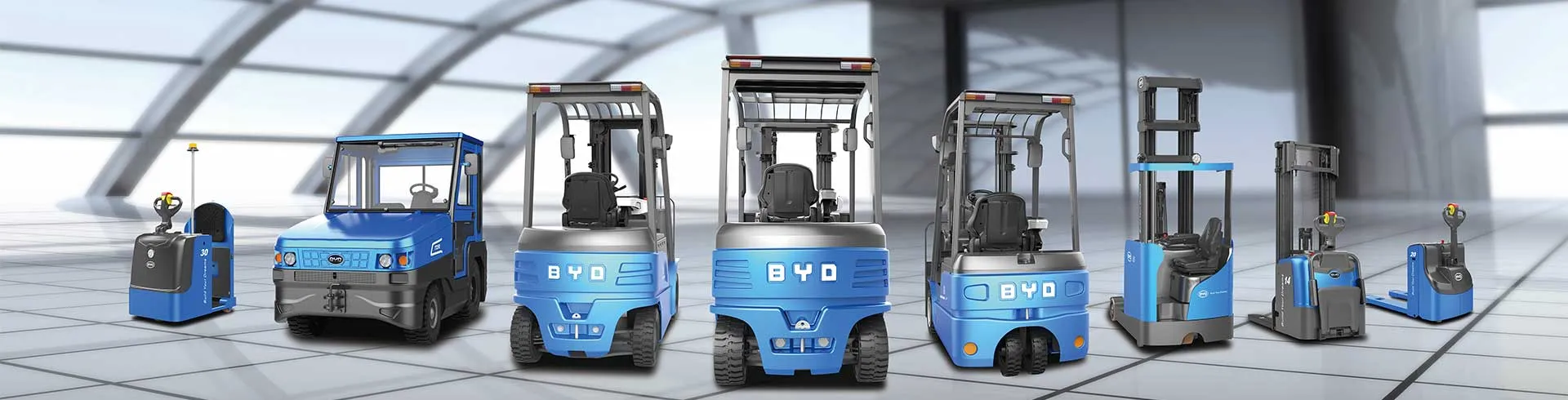
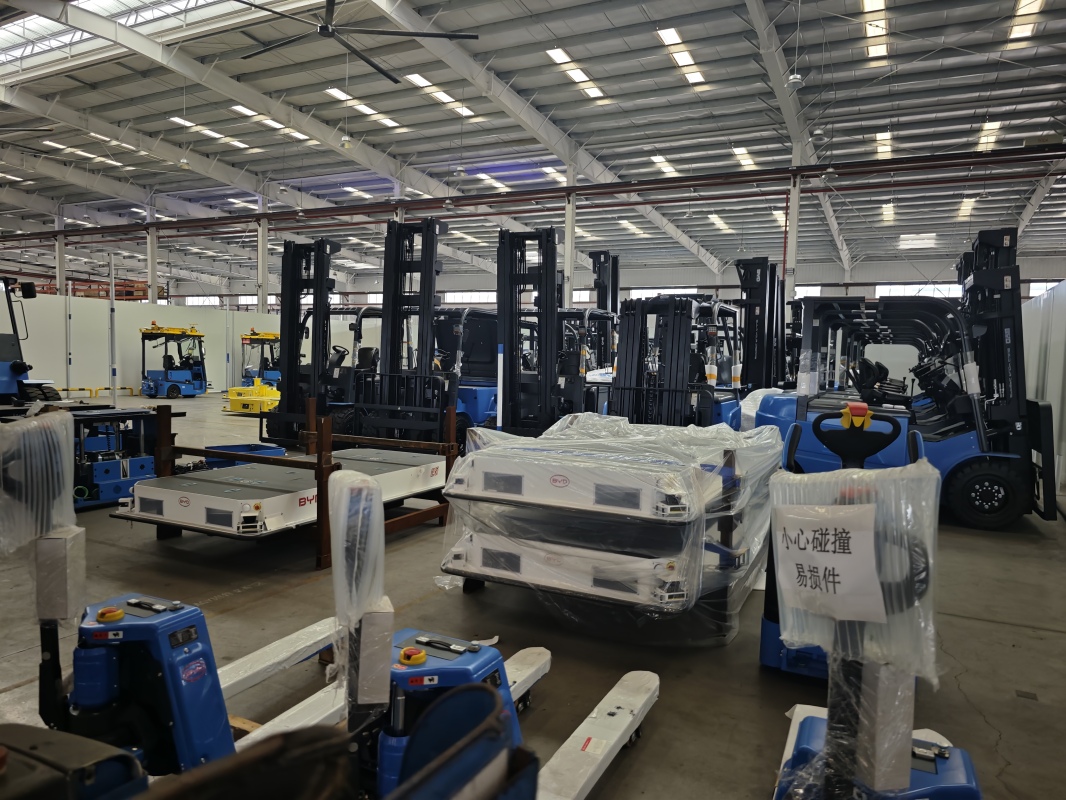
At Jianshu New Energy, we emphasize the importance of correct DoD management in our lithium forklift solutions. Our partnership with BYD Forklift demonstrates how advanced lithium technology can deliver reliable performance under moderate discharge depths. For more details on optimizing your forklift battery care, contact us at 17399989919@163.com.


