
 English
 繁体中文
繁体中文 简体中文
简体中文 Deutsch
 日本語
日本語 한국어
한국어 Tiếng Việt
 Русский
 ไทย
ไทย Bahasa Indonesia
 Filipino
 لالعربية
 Français

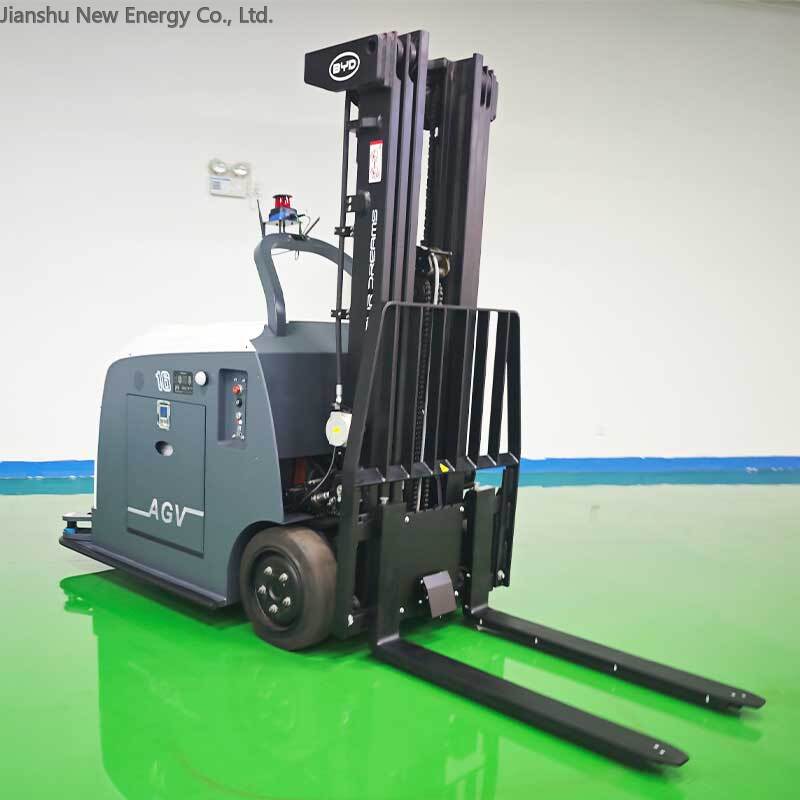
Operating walk-behind electric stackers properly is critical for safe and efficient material handling in most modern warehouses, especially for facilities with narrow aisles and limited stacking space. Before each operation, operators need to complete a pre-use check to confirm the battery power level, brake responsiveness, lifting structure condition and surrounding working area are free of obvious hidden dangers. No untrained personnel are allowed to operate the device without formal professional training, and operators should avoid wearing loose hanging clothes that may get caught in moving components. During the operation process, operators need to keep a low traveling speed in areas with dense pedestrian flow, never exceed the rated load capacity of the equipment, and keep the cargo center of gravity stable during the whole lifting and moving process. It is not recommended to travel long distances with the cargo kept at a high lifted position, and operators should keep a safe distance with surrounding shelves, pallets and passing staff when turning corners. For daily maintenance work, operators need to clean up the dust and residual sundries on the equipment surface regularly, charge the battery in time before the power is completely exhausted, so as to extend the whole service life of the device. If you have demands for related equipment consultation and operation skill guidance, you can contact Jianshu New Energy, get professional technical support from BYD Forklift, and send an email to 17399989919@163.com to obtain detailed official operation manual and customized warehouse material handling solutions. All operation activities should comply with local warehouse safety management regulations, operators shall not leave the operation position without permission during working hours, press the emergency stop button immediately once abnormal situation appears, and participate in regular safety retraining to effectively reduce operation risk, improve warehouse material turnover efficiency, and avoid unnecessary equipment damage and personal safety hazards.


