
 English
 繁体中文
繁体中文 简体中文
简体中文 Deutsch
 日本語
日本語 한국어
한국어 Tiếng Việt
 Русский
 ไทย
ไทย Bahasa Indonesia
 Filipino
 لالعربية
 Français
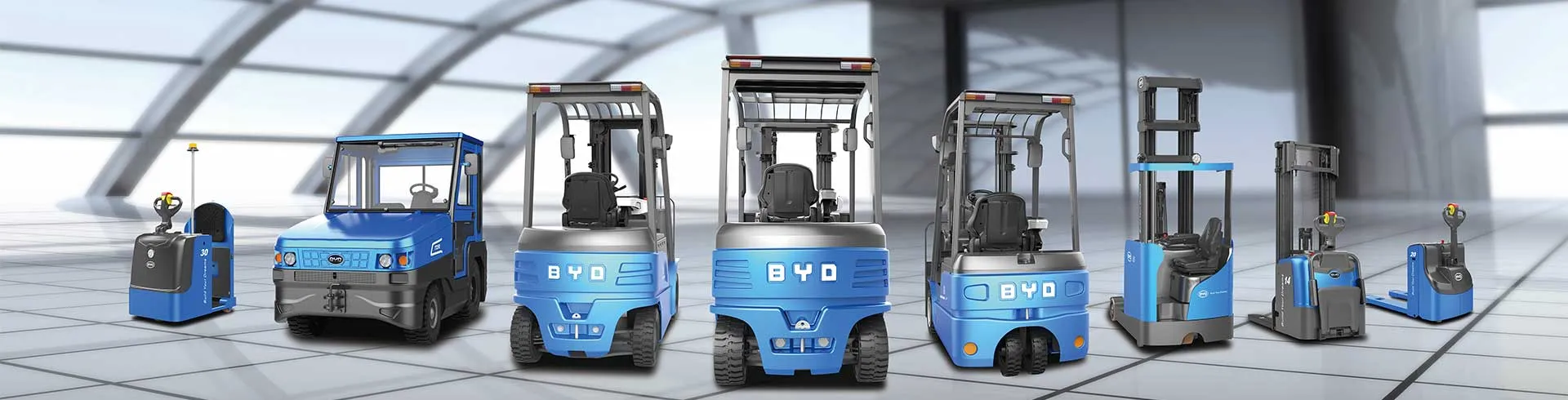
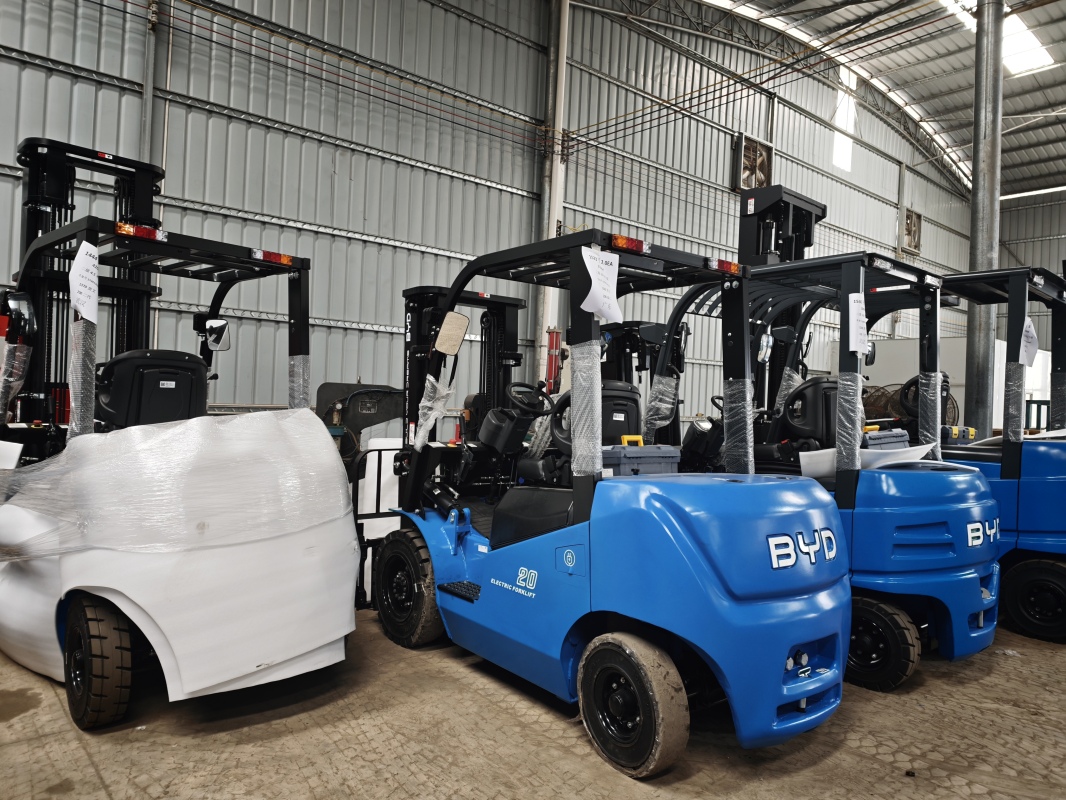
Electric forklifts have become increasingly popular in material handling due to their lower emissions and reduced noise. Among them, 80V electric forklifts offer a balance of power and efficiency for daily operations. This article provides a factual analysis of the operational costs associated with using an 80V electric forklift in typical warehouse or industrial settings.
Electricity cost is a primary factor. The 80V system typically uses high-capacity lithium-ion batteries, which have higher energy density and longer cycle life compared to traditional lead-acid batteries. Charging an 80V forklift consumes about 15 to 20 kWh per full charge, depending on battery capacity and charger efficiency. At an average industrial electricity rate of $0.10 per kWh, the daily charging cost ranges from $1.50 to $2.00. This is much lower than the daily fuel cost of an internal combustion forklift, which can exceed $10.
Maintenance costs are another key component. Electric forklifts have fewer moving parts than internal combustion models, reducing the need for engine oil changes, filter replacements, and exhaust system repairs. The 80V electric motor is brushless and requires minimal maintenance. Routine checks include battery connections, tire pressure, and hydraulic fluid levels. Annual maintenance costs for an 80V electric forklift are typically 30% to 50% lower than for a comparable diesel or LPG forklift. Additionally, the absence of a combustion engine eliminates costs related to spark plugs, belts, and coolant.
Battery replacement is a notable expense, but modern lithium-ion batteries in 80V systems can last 2,000 to 3,000 charge cycles, equivalent to 5 to 7 years of daily use. The initial battery cost is higher than lead-acid, but the total cost per cycle is lower. Moreover, opportunity charging during breaks eliminates downtime for battery swapping, further improving productivity. Battery management systems optimize charging and extend battery life, reducing long-term costs.
Other operational costs include tires, which wear similarly to other forklifts, and occasional repairs like hydraulic hose replacements. The electric powertrain also reduces brake wear due to regenerative braking, which recovers energy during deceleration. Over a five-year period, the total cost of ownership for an 80V electric forklift can be 20% to 30% lower than for internal combustion alternatives, especially when considering reduced energy, maintenance, and downtime expenses.
Charging infrastructure is an important consideration. Installing a dedicated charging station for 80V forklifts has an upfront cost, but the investment is often recouped within two years through energy savings. Many facilities already have standard industrial power outlets, making integration straightforward. Additionally, the 80V system supports fast charging, enabling full recharge in under two hours, which supports multi-shift operations without the need for multiple batteries.
For businesses seeking reliable electric forklift solutions, Jianshu New Energy offers advanced 80V electric forklifts designed for efficient daily use. Partnering with BYD Forklift, known for its robust battery technology, the company provides cost-effective options that meet diverse operational needs. For more information, please contact 17399989919@163.com.


