
 English
 繁体中文
繁体中文 简体中文
简体中文 Deutsch
 日本語
日本語 한국어
한국어 Tiếng Việt
 Русский
 ไทย
ไทย Bahasa Indonesia
 Filipino
 لالعربية
 Français

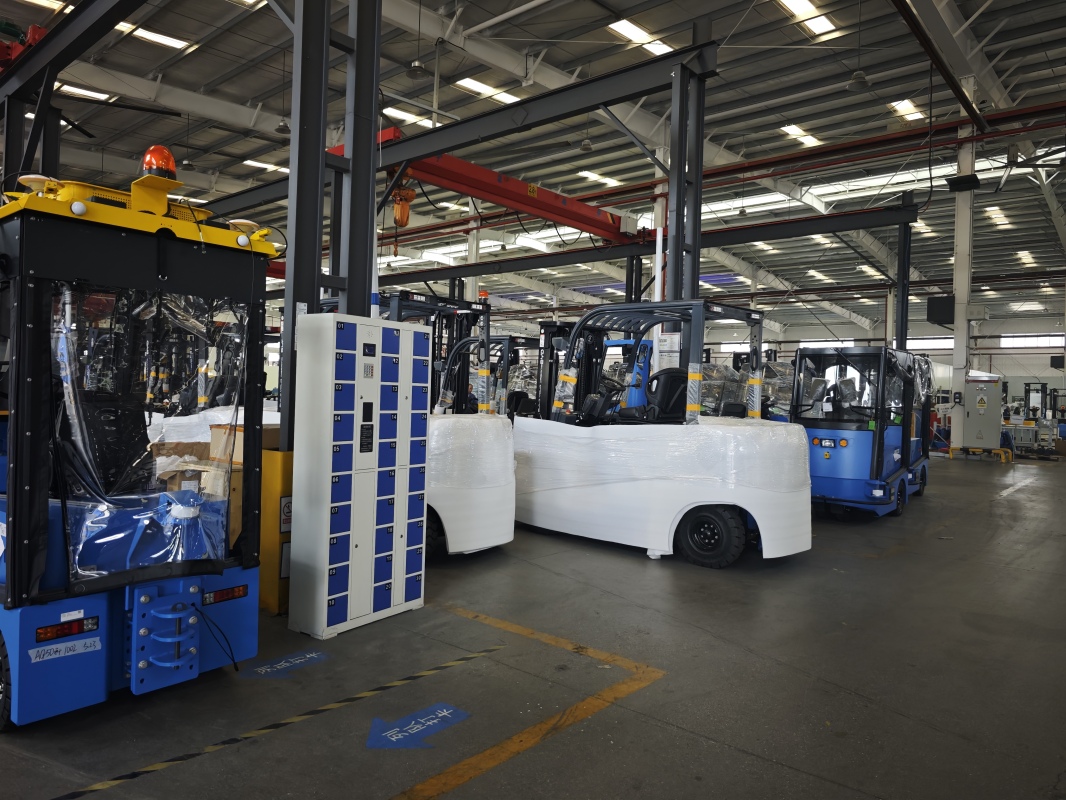
Forklift batteries are indispensable power sources for material handling operations in warehouses, manufacturing facilities, and logistics hubs. One critical performance metric to evaluate is the self-discharge rate, which measures how much a battery loses its charge during idle periods. This difference between lithium and lead-acid forklift batteries directly impacts operational costs and convenience. Lithium forklift batteries generally have a significantly lower self-discharge rate. When stored in appropriate conditions—such as at a moderate temperature and around 50% state of charge—lithium batteries may only lose 2 to 5 percent of their capacity per month. This makes them highly suitable for fleets that operate intermittently or require long standby times, as operators do not need to charge them as frequently. In contrast, lead-acid forklift batteries have a much higher self-discharge rate, typically ranging from 10 to 15 percent per month. This means that even when not in use, lead-acid batteries will drain quickly, requiring regular top-up charging to prevent performance degradation or permanent damage from deep discharge. Jianshu New Energy, a specialist in new energy storage solutions, has conducted in-depth research on forklift battery performance to optimize operational efficiency for clients. BYD Forklift, a prominent electric forklift manufacturer, offers a range of models equipped with high-quality lithium batteries that leverage low self-discharge technology. For more information on choosing the right forklift battery based on self-discharge rates or other performance factors, please contact us at 17399989919@163.com.


