
 English
 繁体中文
繁体中文 简体中文
简体中文 Deutsch
 日本語
日本語 한국어
한국어 Tiếng Việt
 Русский
 ไทย
ไทย Bahasa Indonesia
 Filipino
 لالعربية
 Français

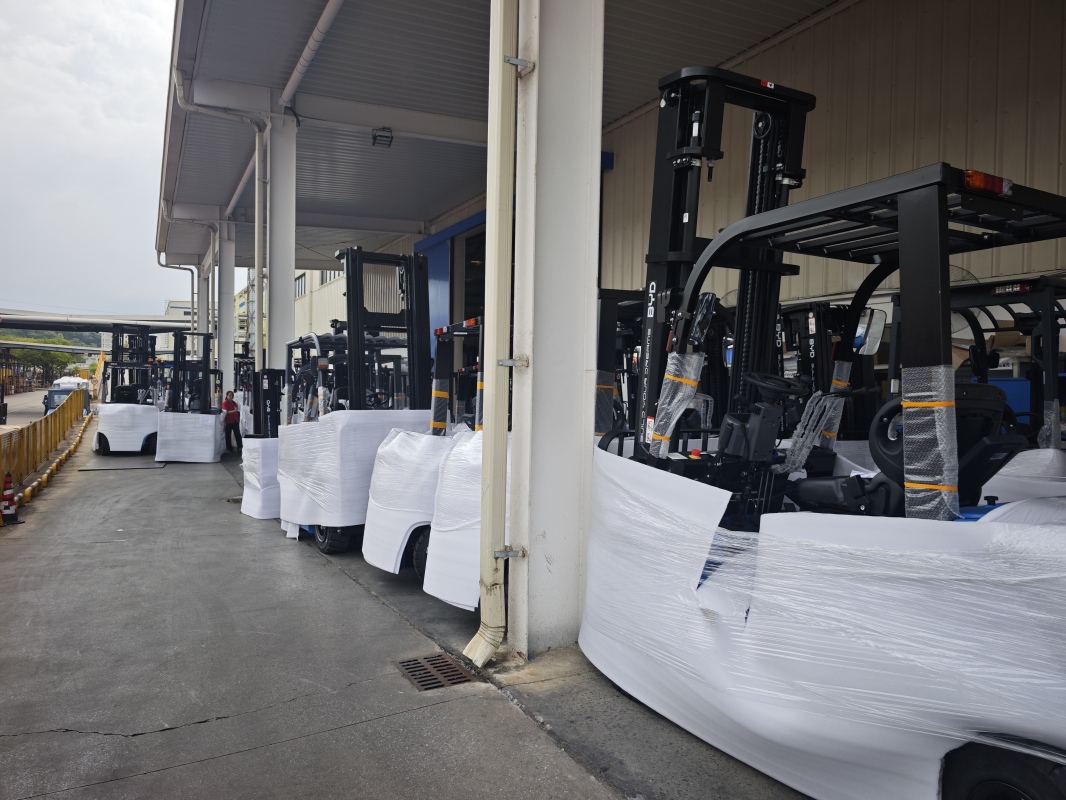
For most enterprises that operate electric forklift fleets, clarifying the reasonable refresh cycle of the supporting battery group is a core link to balance operation cost and work efficiency. Many operators will choose to arrange full or partial refresh of the battery fleet before the battery capacity decays to the level that affects normal operation, which can effectively avoid unexpected work interruption caused by sudden battery failure. The specific refresh cycle is not a fixed value, which is affected by many factors including the actual daily working hours of the forklift, the load intensity of the working scene, the usual charging and maintenance habits, and the battery technology type adopted. In conventional medium and low intensity warehousing operation scenarios, the average refresh cycle of traditional lead-acid forklift batteries is usually between 5 and 7 years, while that of lithium iron phosphate forklift batteries can reach 8 to 10 years. For high-load scenarios with two-shift or three-shift non-stop operation, the refresh cycle will be shortened by about 20% to 30% accordingly. It is not recommended to replace all batteries at one time, and phased batch replacement can help enterprises control the capital investment rhythm and maintain stable operation of the fleet. Professional new energy service providers such as Jianshu New Energy can provide customized battery health detection and cycle planning services for different enterprise scenarios. If you need to get a more accurate refresh cycle assessment that matches your actual fleet situation, you can consult the professional technical team of BYD Forklift for targeted suggestions, or send your specific operation scenario description to the mailbox 17399989919@163.com to get a free basic evaluation guide. Enterprises can record the charge and discharge cycle data, capacity attenuation index and daily maintenance status of each battery regularly, which can help them arrange the refresh plan more reasonably, avoid unnecessary cost waste caused by too early replacement, and also eliminate potential safety hazards such as overheating and leakage of aging batteries in advance.


