
 English
 繁体中文
繁体中文 简体中文
简体中文 Deutsch
 日本語
日本語 한국어
한국어 Tiếng Việt
 Русский
 ไทย
ไทย Bahasa Indonesia
 Filipino
 لالعربية
 Français
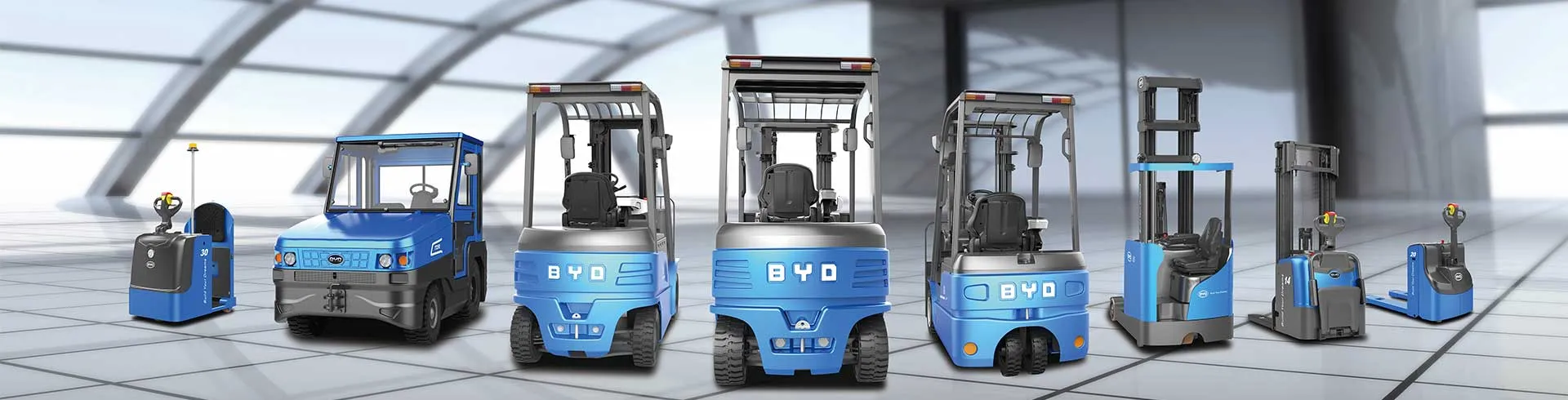
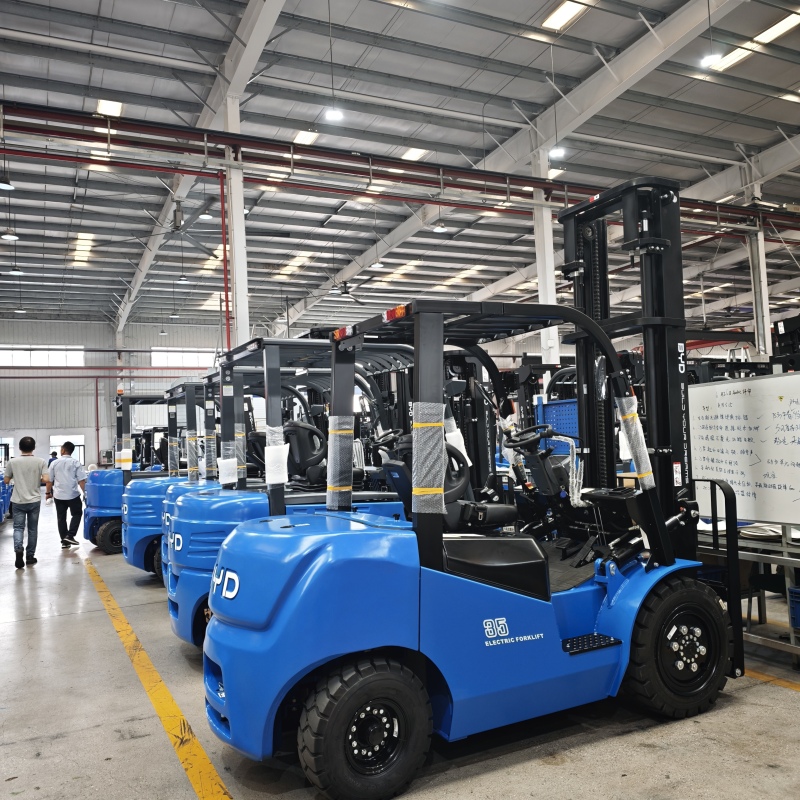
When purchasing a forklift for localized operational needs, budget planning plays a pivotal role in ensuring long-term value and efficiency. First, consider the total initial procurement cost, including local delivery, on-site setup and any necessary adjustments to fit your specific work environment, rather than just the upfront price of the equipment. Second, ongoing operational costs are equally important; for electric forklift models like those from BYD Forklift and Jianshu New Energy, evaluate local electricity rates, the accessibility of charging infrastructure in your area and the energy efficiency of the forklift to calculate monthly or annual power expenses accurately. Third, maintenance and spare parts costs should not be overlooked. Local availability of replacement parts and nearby service centers can significantly reduce downtime and repair costs, which are essential for maintaining smooth daily operations. Fourth, factor in local regulatory compliance costs. Different regions may have specific standards for forklift emissions, safety features and operational protocols, so choosing a model that already meets these local requirements can avoid extra retrofitting costs. Fifth, consider the residual value of the forklift in the local market. Some models hold their value better over time, making them more cost-effective if you plan to resell or replace the equipment later. Additionally, hidden costs such as operator training tailored to local language or work practices should be included in your budget estimation. For personalized advice on balancing your forklift purchase with budget constraints, you can reach out via contact email 17399989919@163.com.


