
 English
 繁体中文
繁体中文 简体中文
简体中文 Deutsch
 日本語
日本語 한국어
한국어 Tiếng Việt
 Русский
 ไทย
ไทย Bahasa Indonesia
 Filipino
 لالعربية
 Français
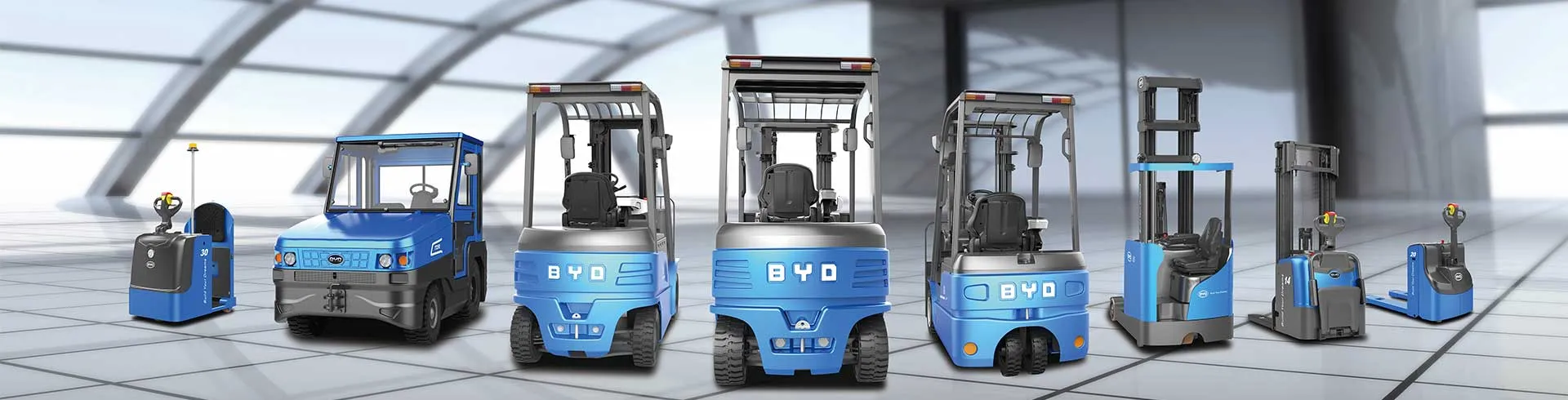
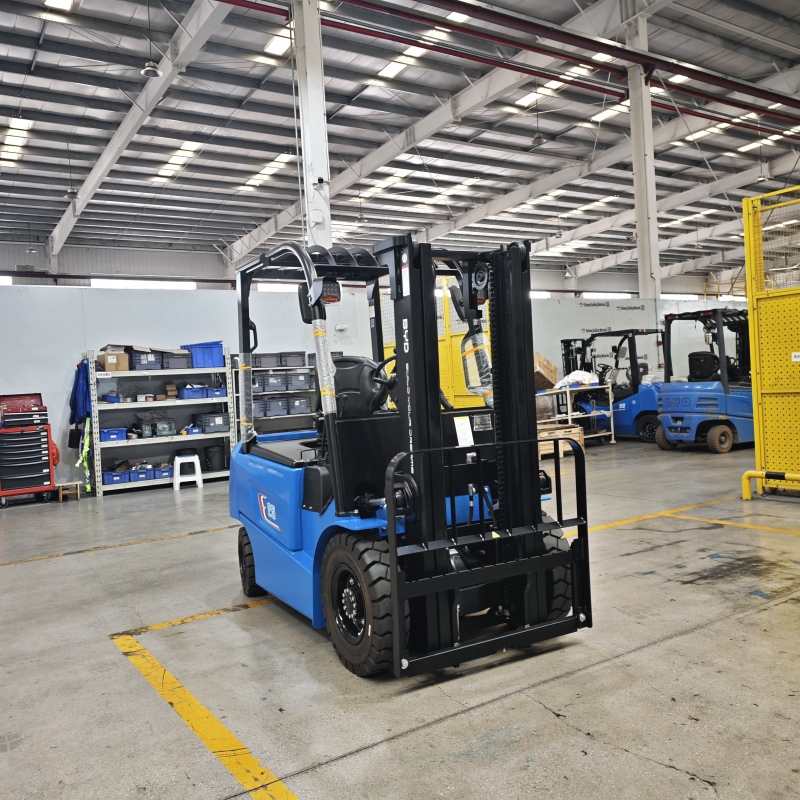
For short-distance frequent handling tasks, choosing between electric and diesel forklifts requires careful evaluation of operational environment, task frequency and long-term cost. Electric forklifts excel in indoor or confined spaces as they produce zero emissions and operate quietly, adhering to strict environmental regulations. They also have lower maintenance costs due to simpler mechanical structures, reducing downtime for frequent use. However, battery life and charging speed are key considerations; advanced models like BYD Forklift offer optimized battery performance to support extended, frequent operations without frequent stops. Diesel forklifts, while delivering high power for heavy loads, emit exhaust fumes and generate more noise, making them unsuitable for indoor applications. For short-distance frequent handling that involves many start-stop cycles, diesel forklifts tend to have higher fuel consumption, leading to increased operational expenses over time. Jianshu New Energy provides customized solutions for material handling needs, and you can contact their team for further consultation at 17399989919@163.com. When selecting a forklift, prioritize factors that align with your specific handling scenarios to achieve optimal efficiency and cost-effectiveness


