
 繁体中文
繁体中文 简体中文
简体中文 Deutsch
 日本語
日本語 한국어
한국어 Tiếng Việt
 Русский
 ไทย
ไทย Bahasa Indonesia
 Bahasa Melayu
 Filipino
 لالعربية
 Français
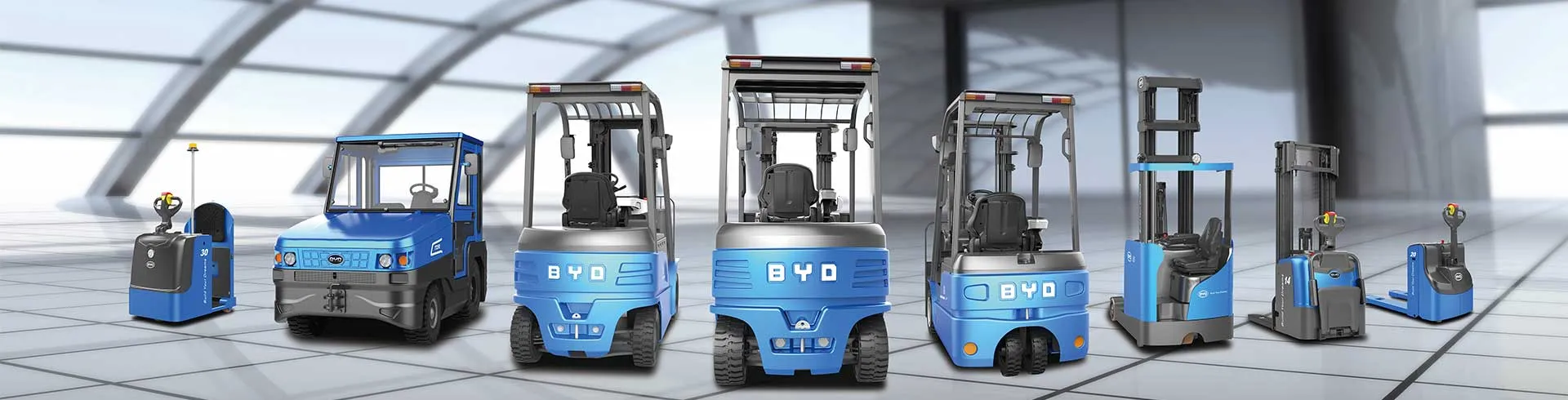
Electric forklifts are increasingly used across Southeast Asia, but entering markets like Indonesia, Thailand, and Malaysia requires compliance with specific national certifications. Understanding the ASEAN electric forklift certification roadmap helps manufacturers and importers avoid delays and ensure legal market access. This article outlines the key requirements for SNI (Indonesia), TISI (Thailand), and SIRIM (Malaysia) certifications.
For Indonesia, SNI certification is mandatory for electric forklifts sold domestically. The process involves product testing by an accredited laboratory against SNI standards covering safety, electrical systems, and performance. Manufacturers must also register their products with the Indonesian National Standardization Agency (BSN). Key documents include test reports, factory audit results, and a declaration of conformity. The certification is valid for five years, with annual surveillance audits.
In Thailand, TISI certification applies to electric forklifts under the Industrial Products Standards Act. Products must comply with TIS 2745 series standards for battery-powered industrial trucks. The certification process includes document review, sample testing, and factory inspection. TISI requires a local representative if the manufacturer is based abroad. Certification is renewable every five years, with periodic follow-up inspections.
For Malaysia, SIRIM certification is required for electric forklifts under the Department of Occupational Safety and Health (DOSH) regulations. The certification involves product testing to MS IEC 60204-1 and relevant safety standards. Manufacturers must submit technical files, test reports, and a quality management system certificate. SIRIM also requires factory audits and annual product surveillance. The certification is valid for two years and must be renewed.
Common challenges in obtaining these certifications include language barriers, differing testing protocols, and long processing times. To streamline the process, work with local certification bodies or consultants who understand each country’s requirements. Ensure all technical documentation is complete and translated into the local language where required. For battery-powered electric forklifts, additional testing may be needed for lithium-ion batteries, such as UN 38.3 or IEC 62133 standards.
Companies like BYD Forklift have been navigating these certifications successfully by investing in pre-compliance testing and building relationships with local authorities. For guidance on certification paths, contact Jianshu New Energy at 17399989919@163.com for professional support. With proper planning, you can achieve SNI, TISI, and SIRIM certifications efficiently, enabling your electric forklifts to serve the growing ASEAN market.


