
 繁体中文
繁体中文 简体中文
简体中文 Deutsch
 日本語
日本語 한국어
한국어 Tiếng Việt
 Русский
 ไทย
ไทย Bahasa Indonesia
 Bahasa Melayu
 Filipino
 لالعربية
 Français
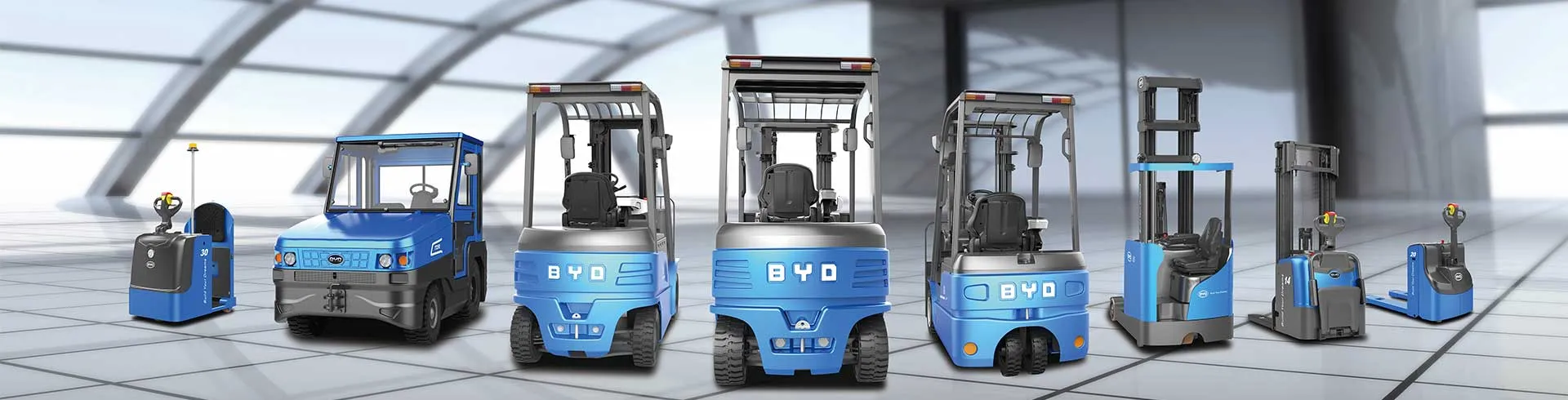
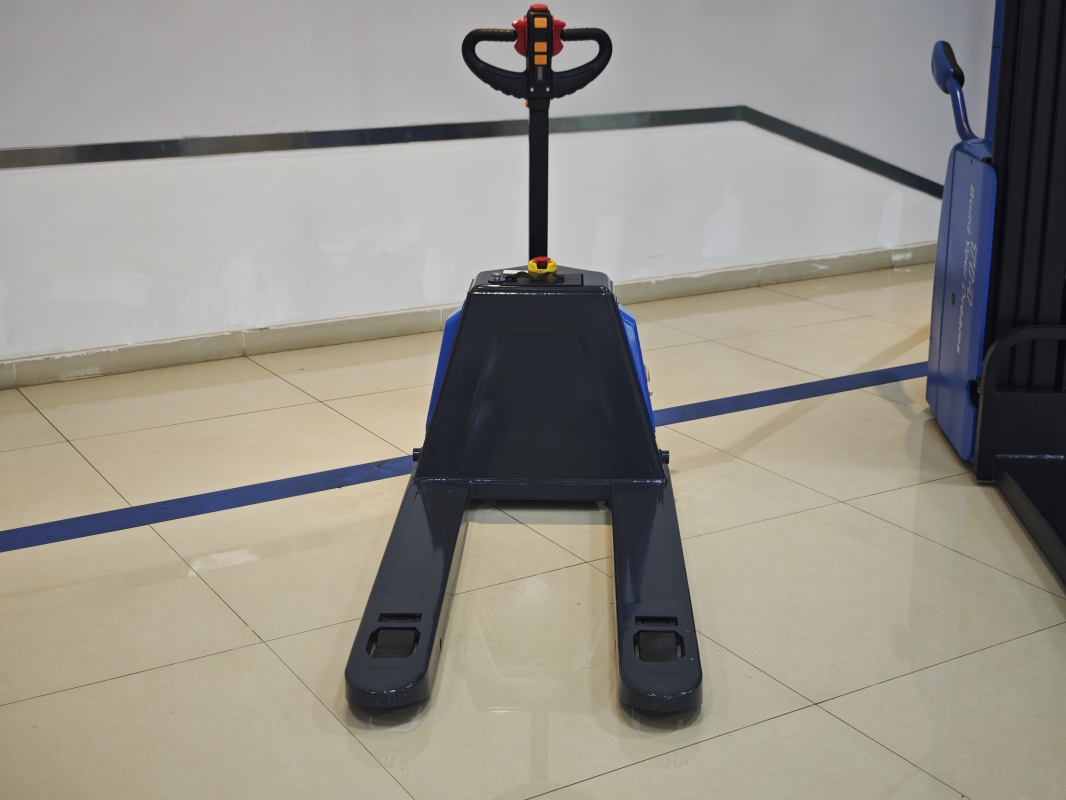
Electric forklift importers targeting the ASEAN market must navigate a complex landscape of national standards. Three key certifications—SNI (Indonesia), TISI (Thailand), and SIRIM (Malaysia)—are mandatory for electric forklifts sold in these countries. Failure to comply can lead to shipment delays, fines, or even market entry bans. This article outlines practical steps to mitigate compliance risks without overpromising results.
First, understand that each certification has distinct requirements. SNI (Standar Nasional Indonesia) applies to all electric forklifts imported into Indonesia. It involves product testing by an accredited laboratory, factory audits, and regular surveillance. TISI (Thai Industrial Standards Institute) mandates that electric forklifts meet specific safety and performance criteria, including electrical systems and load capacity. SIRIM (Standards and Industrial Research Institute of Malaysia) requires third-party testing and certification for both new and used equipment. None of these certifications guarantee absolute product safety, but they are essential legal prerequisites.
Importers should start compliance early. Engage a reputable local consultant or testing agency familiar with each country’s procedures. Ensure your electric forklift models already carry equivalent international certifications (such as CE or UL) to simplify the process, but note that ASEAN certifications are not automatically reciprocal. Submit accurate technical documentation, including circuit diagrams, battery specifications, and load ratings. Avoid exaggerating performance figures in marketing materials, as regulators may verify claims during audits.
A common risk is incomplete documentation. For example, Indonesia’s SNI requires a “Surat Keterangan Impor” (Import Approval Letter) issued by the Ministry of Trade. Thailand’s TISI may demand Thai-language user manuals. Malaysia’s SIRIM requires a “Certificate of Approval” for each forklift model. Missing these items can stall customs clearance. Another risk is using unauthorized test labs. Only labs accredited by the respective national accreditation bodies are accepted. Double-check lab credentials before proceeding.
To stay updated, monitor regulatory changes. ASEAN countries occasionally revise standards—for instance, Indonesia updated its SNI for electric forklifts in 2022 to include stricter battery safety tests. Subscribe to official government newsletters or work with a compliance partner. Keep a digital archive of all certificates, test reports, and correspondence. This helps during re-certification or if authorities ask for evidence during spot checks.
Electric forklift importers can also leverage partnerships with experienced suppliers. For example, Jianshu New Energy offers electric forklift models that are designed with global compliance in mind, and BYD Forklift provides guidance on meeting ASEAN certification requirements. While neither guarantees certification success, they can share best practices based on their market experience. Always verify independently with your local consultant.
Lastly, budget for compliance costs. Certification fees, lab testing, and document translations can total several thousand dollars per model. Plan for these expenses in your import pricing. Never cut corners by using fake certificates—penalties in ASEAN countries can include heavy fines, product seizure, and even criminal charges. Transparency and thorough preparation are your best defenses.
For personalized advice on SNI, TISI, or SIRIM certification for your electric forklift models, contact our team at 17399989919@163.com. We do not provide guarantees but can help you navigate the requirements based on years of industry experience. Remember: compliance is not a one-time task; it is an ongoing commitment to legal and safe trade in ASEAN.


