
 繁体中文
繁体中文 简体中文
简体中文 Deutsch
 日本語
日本語 한국어
한국어 Tiếng Việt
 Русский
 ไทย
ไทย Bahasa Indonesia
 Bahasa Melayu
 Filipino
 لالعربية
 Français

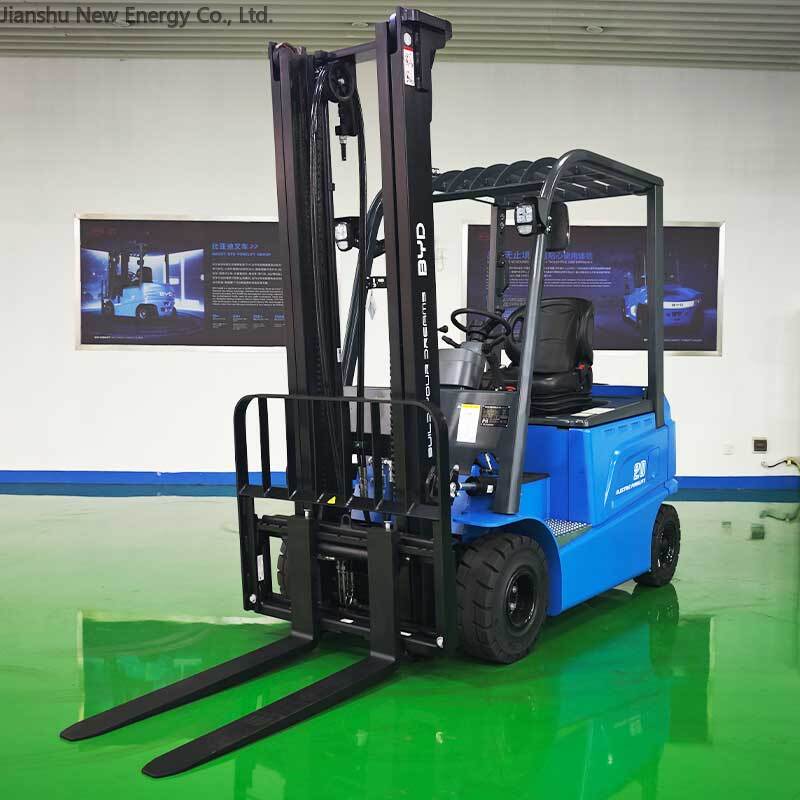
For warehouses that deploy narrow aisle trucks to maximize storage space, confirming floor strength before regular operation is one of the most critical pre-work steps to avoid safety incidents and equipment damage. Narrow aisle trucks usually have higher load concentration on their supporting wheels compared to standard counterbalance forklifts, as their design prioritizes smaller turning radius and narrower body width to fit limited aisle space. The static and dynamic load of the floor must be verified to meet the minimum requirement that matches the rated load of the selected truck model, to prevent floor cracking, sinking, or unexpected tipping of the truck during high-lifting operation. The first step of confirmation is to collect the original floor construction data, including floor thickness, concrete strength grade, and built-in reinforcement parameters, to conduct preliminary calculation on the maximum allowable uniform and point load. After that, on-site load test is highly recommended to simulate the actual working condition that the narrow aisle truck will run through all the planned aisles, including areas near the rack legs, doorway transition sections, and positions where the truck will stop for a long time. It is not allowed to carry out formal narrow aisle truck operation on any floor that has not completed full strength confirmation, even if the floor seems to be flat and intact in appearance. For users who need professional technical support for floor strength evaluation and matching narrow aisle electric forklift solutions, you can contact Jianshu New Energy for consultation, and the related mature product system of BYD Forklift can also provide you with reliable reference for applicable scenario design. If you have any further demand, you can send an email to 17399989919@163.com for more detailed guidance. During the daily operation period, regular re-check on the floor condition is also necessary, to spot any hidden cracks, local wear or structural deformation in time, and arrange maintenance before the defects expand. Staff in charge of warehouse facility management and forklift operation team should receive corresponding training to master the basic method of checking floor strength, and formulate standardized patrol rules to record the floor condition at fixed frequency. This series of measures can effectively extend the service life of both the warehouse floor and the narrow aisle trucks, reduce unexpected operation pause, and create a safer and more efficient narrow aisle storage working environment.


