
 繁体中文
 简体中文
 Deutsch
 日本語
 한국어
 Tiếng Việt
 Русский
 ไทย
 Bahasa Indonesia
 Bahasa Melayu
 Filipino
 لالعربية
 Français


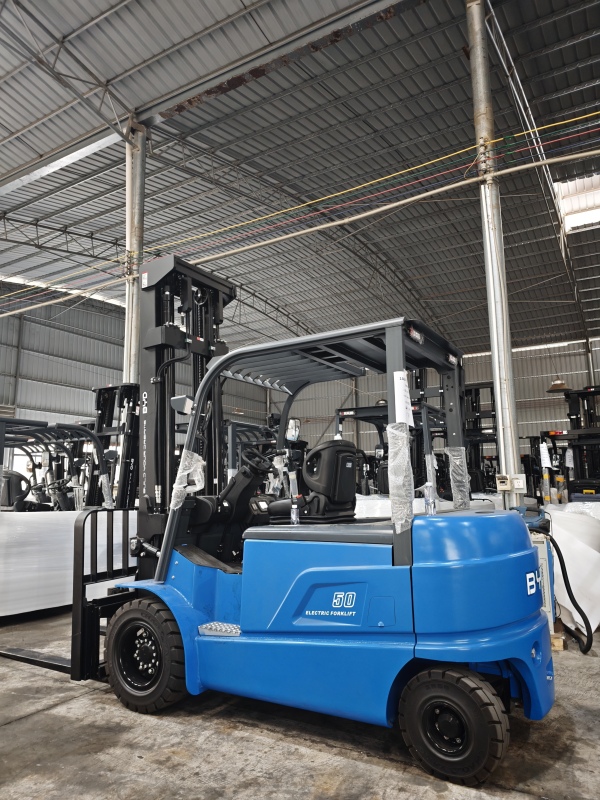
Forklift charging rooms are core functional areas for the daily operation of all electric forklift fleets, and standardized daily operating practices are the solid foundation for eliminating safety hazards and extending the overall service life of battery and charging equipment. Before entering the charging room to launch daily work, operators need to conduct a full perimeter check of the whole space first, confirm no sundries are stacked randomly, no flammable or combustible materials are stored in the 3-meter safety buffer zone around charging piles, and the ventilation system is in normal working state before starting the follow-up work. When connecting the forklift to the charging device, operators need to confirm the power output specification of the charger matches the rated parameter of the forklift battery, avoid forced plugging to damage the interface, and check the battery surface for obvious deformation, liquid leakage or abnormal high temperature before starting the charging process. During the whole charging period, related staff need to make regular patrol every 2 hours, record the operation data of charger and battery in time, never leave the charging room unattended for over 4 hours when there are ongoing charging devices running, and stop charging immediately once any abnormal signal is detected, cut off the main power supply and move the related equipment to the open ventilated area far from fire sources for subsequent treatment. At the end of each working shift, operators need to turn off all idle charging devices, clean the sundries on the ground of the charging room, check the fire fighting equipment inside the space is in valid standby state, and fill in the daily operation log completely before leaving. For professional customized charging room layout and operation training guidance, you can contact Jianshu New Energy for further consultation via the email 17399989919@163.com, our team also shares matched practical operation suggestions for BYD Forklift users to help all users build a fully compliant, high-efficiency electric forklift charging management system that adapts to their own fleet scale. In addition, all personnel working in the charging room need to receive professional safety training before taking up the post, master the correct operation steps of firefighting equipment and emergency disposal flow for electric faults, and it is forbidden to use open fire, smoke or carry unrelated electronic equipment that may produce electric spark in the charging room. Regular monthly full inspection of all charging facilities and circuit systems is also a necessary part of daily operating practices, which can effectively eliminate hidden dangers caused by aging circuits or loose interfaces, reduce unexpected downtime of the whole forklift fleet, and create a stable, safe working environment for all on-site operators.


