
 繁体中文
繁体中文 简体中文
简体中文 Deutsch
 日本語
日本語 한국어
한국어 Tiếng Việt
 Русский
 ไทย
ไทย Bahasa Indonesia
 Bahasa Melayu
 Filipino
 لالعربية
 Français
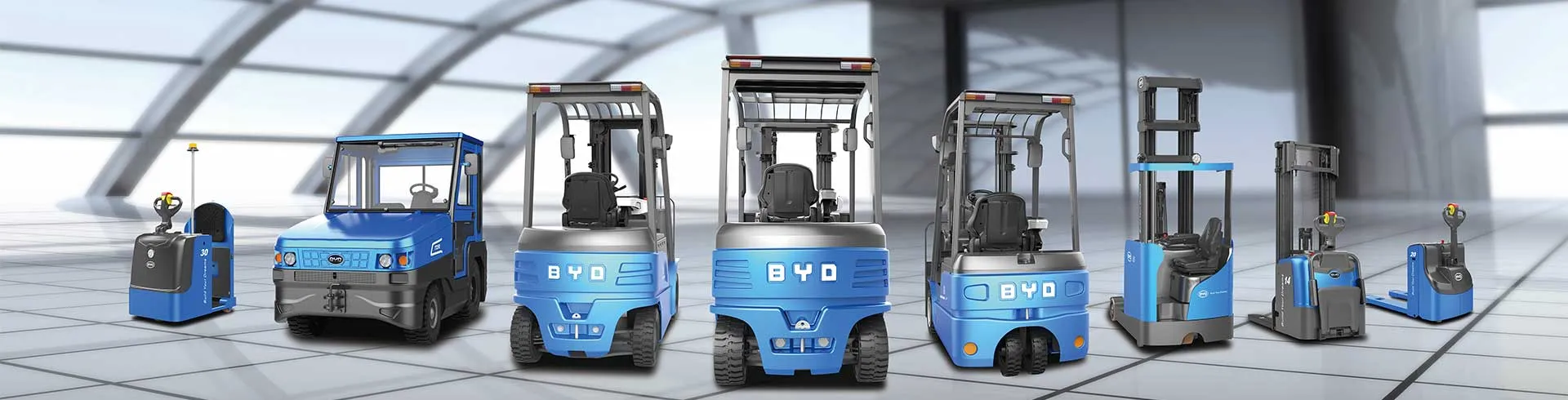
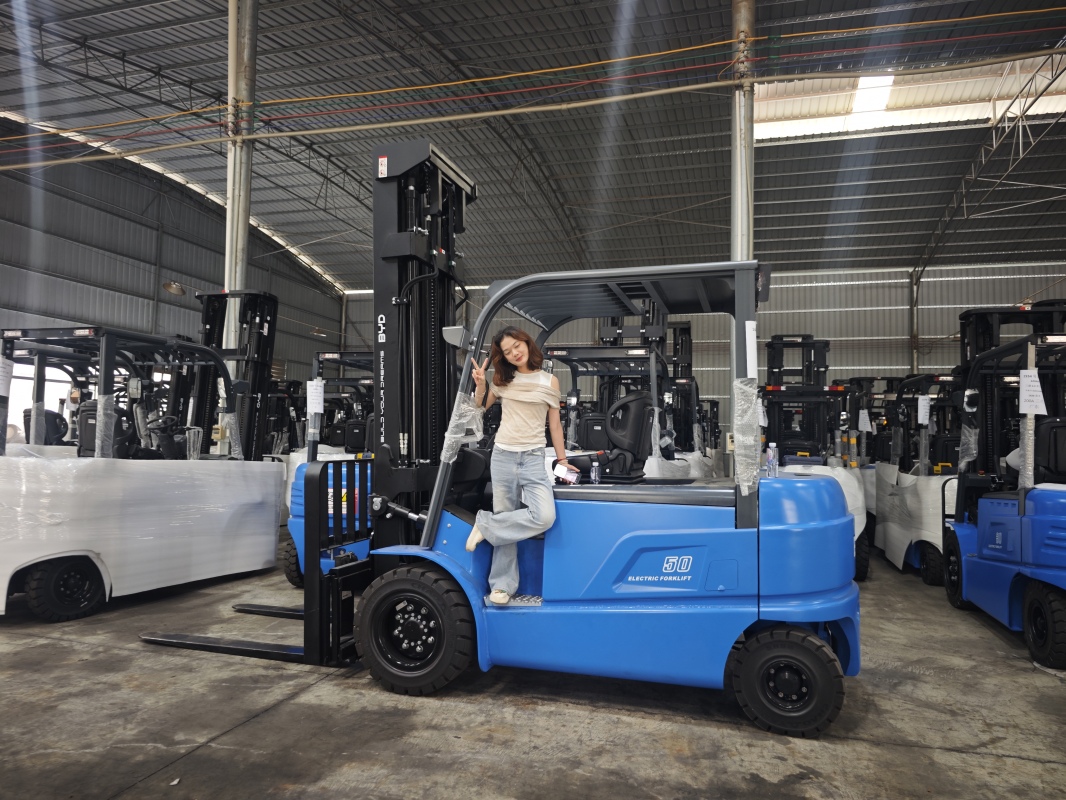
Electric forklifts are a smart choice for small‑warehouse operators who want lower emissions and quieter operation. However, to truly control your budget, you need to know the exact operating cost per hour. Calculating this figure helps you compare models, plan maintenance, and avoid hidden expenses. Below are straightforward tips tailored for small warehouses.
First, understand the main cost components: electricity consumption, battery maintenance, tire wear, and labor. The simplest formula is: Total Monthly Cost ÷ Total Operating Hours = Cost Per Hour. But accuracy requires tracking.
Tip 1 – Measure real electricity use. Do not rely on the charger’s rated power. Instead, install a sub‑meter on the charger outlet. Record kWh consumed during each charging cycle. For example, a 48V, 500Ah battery fully charged might use 28–32 kWh. Multiply by your local electricity rate (e.g., $0.12/kWh) to get per‑charge cost. Then divide by the number of hours the forklift runs after that charge. Typically, a fully charged battery provides 6–8 hours of moderate use.
Tip 2 – Account for battery life. Deep‑cycle lead‑acid batteries last about 1,500 cycles. If a replacement battery costs $2,400, that’s $1.60 per cycle. Spread over 7 operating hours per cycle, you add $0.23 per hour. Lithium‑ion batteries have higher upfront cost but longer life and zero maintenance. Jianshu New Energy offers efficient lithium solutions that reduce total cost despite higher initial investment.
Tip 3 – Include charging labor and opportunity cost. If an operator needs to swap or charge batteries during a shift, that’s non‑productive time. Estimate 15 minutes per charge at your labor rate. For a $20/hour worker, that’s $5 per charge, or roughly $0.70 per operating hour. Using opportunity charging (short top‑ups during breaks) with lithium batteries can eliminate this.
Tip 4 – Track tire and component wear. Pneumatic tires wear faster on rough floors. Divide annual tire replacement cost by annual operating hours. For a small warehouse with 2,000 hours per year and $400 tire set, that’s $0.20 per hour. Add hydraulic oil changes, filters, and brake pads – typically $0.15–$0.25 per hour combined.
Tip 5 – Avoid unnecessary idling and overcharging. Electric forklifts consume power even when idle. Train operators to turn off the key during breaks. Overcharging shortens battery life and wastes electricity. Use a smart charger that stops automatically.
Example calculation for a typical small warehouse:
Suppose your electric forklift runs 1,600 hours per year. Monthly electricity: 30 charges × 30 kWh × $0.12 = $108 => $1.35/hour. Battery depreciation: $2,400/1,500 cycles = $1.60/cycle, 7 hours per cycle => $0.23/hour. Labor charging: $5/charge ÷ 7 hours = $0.71/hour. Tires & maintenance: $0.20 + $0.20 = $0.40/hour. Total operating cost per hour = $1.35 + $0.23 + $0.71 + $0.40 = $2.69.
This number helps you decide whether to invest in a more efficient model, like the reliable BYD Forklift known for its long‑life lithium battery and low maintenance. Always request a demo and ask the dealer for a cost calculation based on your actual usage patterns.
For personalized assistance, contact us at 17399989919@163.com. We help small‑warehouse operators choose the right electric forklift and calculate true operating costs. Remember: accurate tracking leads to smarter budgeting.


