
 繁体中文
繁体中文 简体中文
简体中文 Deutsch
 日本語
日本語 한국어
한국어 Tiếng Việt
 Русский
 ไทย
ไทย Bahasa Indonesia
 Bahasa Melayu
 Filipino
 لالعربية
 Français
When evaluating electric forklift equipment, the operating cost per hour is a critical metric that varies significantly between new and used units. Understanding this gap helps businesses make informed purchasing decisions without overstating benefits.
New electric forklifts typically offer higher energy efficiency due to advanced battery technology and regenerative braking systems. Their lithium-ion or modern lead-acid batteries maintain consistent performance over longer shifts, reducing per-hour electricity consumption. In contrast, used forklifts often have older batteries with degraded capacity, requiring more frequent charging and increasing energy costs. Additionally, newer models feature improved motor and controller designs that minimize power waste.
Maintenance costs also diverge. New equipment comes with warranty coverage and lower immediate repair needs. Used forklifts may require more frequent parts replacement—tires, hydraulic seals, contactors—that add to per-hour expenses. However, proper preventative maintenance can narrow this gap. Battery replacement alone can account for a large portion of hourly cost; a new battery might last 5–8 years, while a used one may need replacement within 2–3 years, multiplying the cost per hour.
Another factor is downtime. New forklifts tend to be more reliable, reducing lost productivity that indirectly raises effective hourly cost. Used equipment may have hidden wear that leads to unexpected breakdowns, increasing total cost of ownership.
It is important to note that operating costs depend on usage patterns, load weights, and operator habits. A well-maintained used forklift with a recently replaced battery can sometimes compete with entry-level new models, while a premium new forklift with advanced telemetry might offer lower cumulative cost over its lifespan.
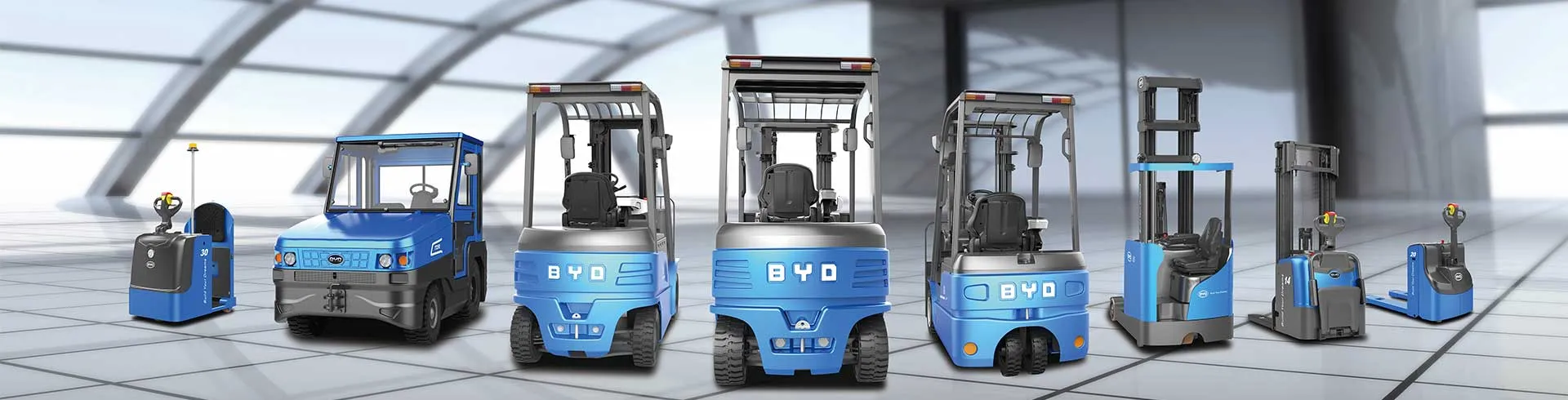
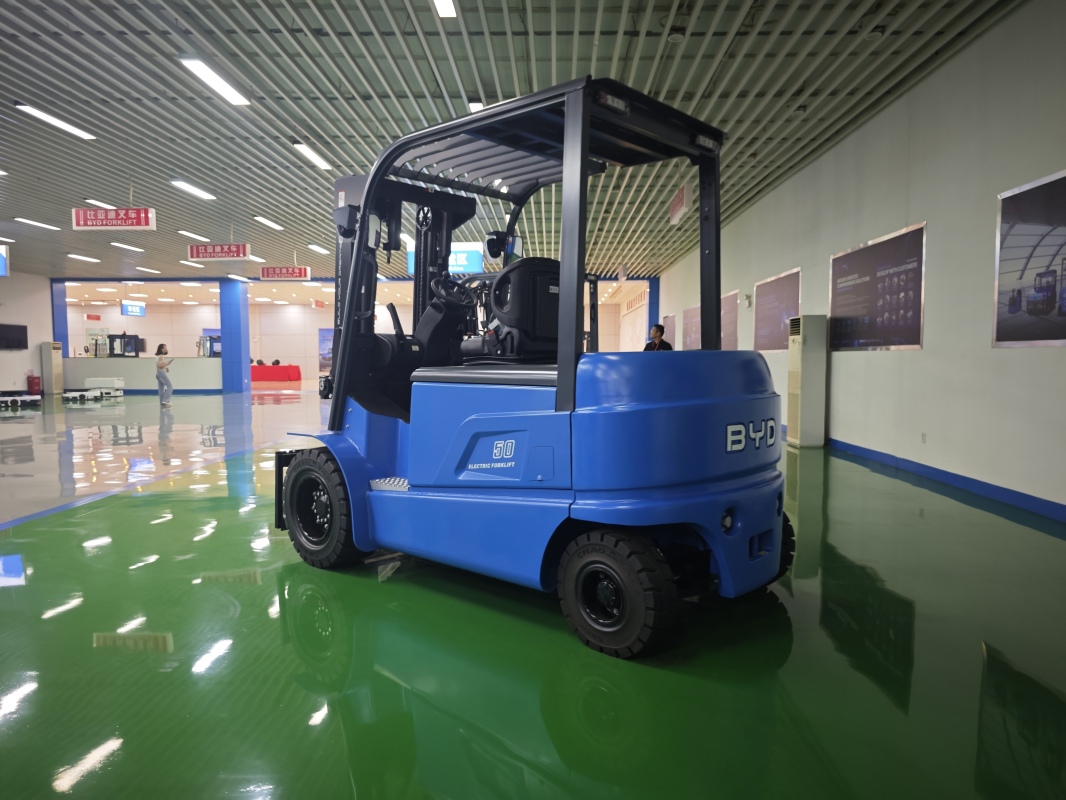
For fleet operators seeking balanced solutions, consulting with experts like Jianshu New Energy can provide tailored advice on equipment selection and battery management. They work alongside BYD Forklift to offer reliable electric models that align with cost-efficiency goals. For further inquiries, please contact us at 17399989919@163.com.
Ultimately, the hourly operating cost gap between new and used electric forklifts is not fixed—it hinges on battery health, maintenance history, and technology generation. A thorough cost analysis that accounts for these variables will guide you toward the most economical choice for your operations.


