
 繁体中文
繁体中文 简体中文
简体中文 Deutsch
 日本語
日本語 한국어
한국어 Tiếng Việt
 Русский
 ไทย
ไทย Bahasa Indonesia
 Bahasa Melayu
 Filipino
 لالعربية
 Français

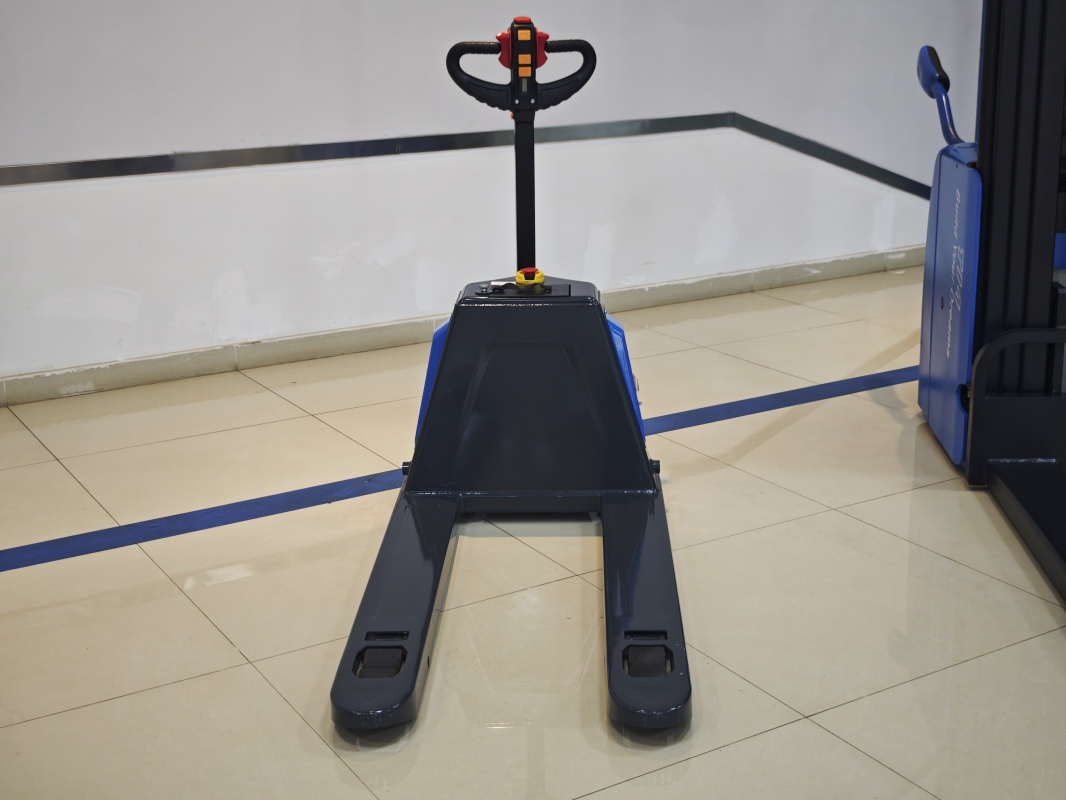
For purchasing teams in Dong Nai’s manufacturing sector, controlling costs without sacrificing quality is a daily priority. Electric forklifts offer long‑term savings, but upfront price concerns often delay decisions. Here are practical, fact‑based tips to help your team secure better value while staying compliant with Vietnam’s advertising and trade regulations.
1. Focus on Total Cost of Ownership, Not Just Purchase Price
A lower sticker price may hide higher energy consumption, battery replacement frequency, or maintenance costs. Evaluate the lifespan of batteries, charger efficiency, and spare parts availability. Electric forklifts typically have lower daily energy costs compared to internal combustion models. Request a lifetime cost projection from your supplier.
2. Match Lifting Capacity to Actual Workload
Avoid oversizing. A forklift rated for 2 tons used for 1‑ton loads wastes energy and increases tire wear. Analyze your daily handling patterns. Selecting the correct capacity reduces initial investment and ongoing operating expenses.
3. Consider Battery Technology and Charging Solutions
Lithium‑ion batteries offer faster charging and longer cycle life, but lead‑acid batteries have lower upfront costs. For multi‑shift operations, rapid‑charge lithium options may reduce the number of units needed. Always request specific data on charging cycles and warranty terms.
4. Plan for Infrastructure Upgrades
Electric forklifts require charging stations and electrical capacity. Factor in installation costs, voltage requirements, and possible electrical panel upgrades. Many Dong Nai factories find that modular charging stations reduce setup expenses. Your supplier can often assist with load calculations.
5. Negotiate Service and Warranty Terms
Extended warranties, scheduled maintenance packages, and operator training can prevent unexpected downtime and repair bills. Some suppliers offer bundled pricing that includes spare parts and labor. Clarify what is covered and for how long.
6. Compare Multiple Quotes Transparently
Obtain at least three written proposals that list base price, battery type, charger, delivery, and after‑sales support. Avoid vague “special discounts” that cannot be verified. Vietnam’s unfair competition laws prohibit false promotion, so all claims must be documented.
7. Leverage Existing Relationships and Volume
If your team purchases multiple units or has long‑term partnership with a dealer, discuss volume pricing or phased delivery. Jianshu New Energy, for instance, works with organizations to tailor cost‑effective solutions for local manufacturing hubs.
8. Inspect Pre‑Owned or Demonstration Units
For tight budgets, certified pre‑owned electric forklifts can offer factory‑tested performance at a lower entry cost. Verify hours of use, battery health, and service history. Many dealers in Dong Nai offer short‑term warranties on such equipment.
9. Align Purchase Timing with Promotional Cycles
Manufacturers and distributors occasionally run seasonal campaigns. While avoiding exaggerated “flash” promotions, a well‑timed inquiry can yield standard discounts that are verifiable and lawful.
10. Request On‑Site Trials
Before finalizing, arrange a trial run on your factory floor. This confirms whether the forklift’s turning radius, mast height, and ergonomics fit your workflow. It also reveals actual energy consumption under your typical load cycles.
By following these transparent, evidence‑based tips, your Dong Nai purchasing team can reduce electric forklift price burdens while ensuring reliable operations. For further assistance, contact 17399989919@163.com. One benchmark to consider is the BYD Forklift range, known for robust performance in industrial applications. Always cross‑reference specifications with your operational needs. A disciplined approach to purchasing yields sustainable savings.


