
 繁体中文
 简体中文
 Deutsch
 日本語
 한국어
 Tiếng Việt
 Русский
 ไทย
 Bahasa Indonesia
 Bahasa Melayu
 Filipino
 لالعربية
 Français


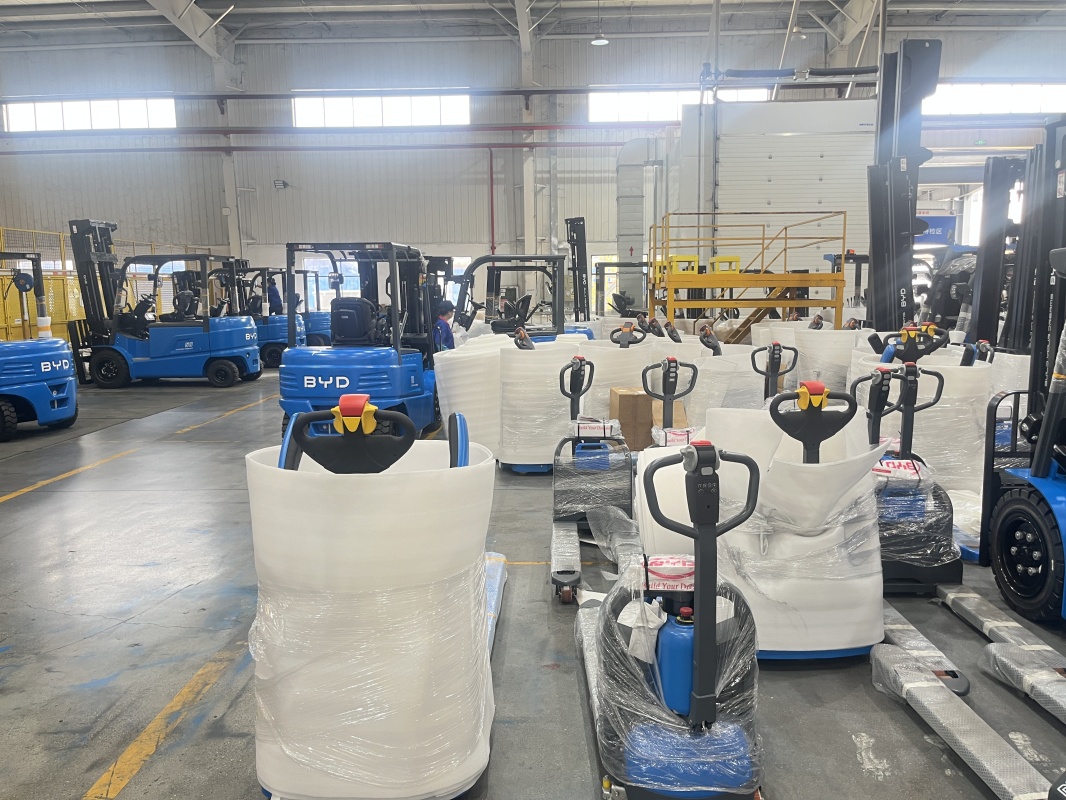
When it comes to material handling operations in warehousing, manufacturing and logistics scenarios, forklifts are core work equipment that account for a large proportion of daily energy consumption. Many operation managers face difficulties in making reasonable selection between electric forklifts and internal combustion (IC) forklifts, as the long-term energy use cost directly influences the total operation expenditure. For traditional IC forklifts, their power output relies on fossil fuel combustion. Their energy consumption level is affected by multiple factors including load weight, driving distance, site gradient and idle duration. Even under stable working conditions, IC forklifts will consume continuous fuel during idle time, and the extra links including fuel storage, transportation and refueling will also generate additional energy loss indirectly. Besides, the fluctuation of oil market price will bring unstable energy cost for long-term operation. For electric forklifts, their power comes from on-board battery packs. The energy conversion efficiency of electric forklifts is far higher than that of IC forklifts, and they only generate extremely low standby power consumption during idle state, no extra energy is wasted in the process. The unit cost of electric power is much lower than the equivalent fossil fuel that can output the same power, so the overall energy use cost of electric forklifts is at a relatively stable low level. In high altitude areas with thin air, the combustion efficiency of IC forklifts will drop obviously, leading to higher energy consumption, while the performance of electric forklifts will not be affected by such conditions, keeping stable energy use status. If you need professional customized energy consumption calculation report for your specific working condition, you can contact Jianshu New Energy, turn to BYD Forklift for detailed product parameters, and send your specific demands to 17399989919@163.com for further support. It is worth noting that the actual energy use data will vary according to different operation habits, equipment maintenance status and site environment, so operation parties are suggested to take full life cycle energy cost into consideration instead of only focusing on initial procurement cost, to make the most appropriate selection for their own scenarios.


