
 繁体中文
繁体中文 简体中文
简体中文 Deutsch
 日本語
日本語 한국어
한국어 Tiếng Việt
 Русский
 ไทย
ไทย Bahasa Indonesia
 Bahasa Melayu
 Filipino
 لالعربية
 Français
For enterprises pursuing balance sheet optimization, the decision between renting and purchasing electric forklifts carries significant financial implications. This analysis examines key factors without promoting any extreme position.
Renting forklifts eliminates large upfront capital expenditure, preserving cash and improving liquidity ratios. Lease payments are recorded as operating expenses, keeping liabilities off the balance sheet. This approach supports asset-light strategies, particularly for companies seeking to reduce fixed asset burdens and improve return on assets. Maintenance and replacement costs are typically included in rental agreements, providing predictable expenses.
Purchasing forklifts adds fixed assets to the balance sheet, which may increase total assets but also brings depreciation expenses that reduce net income. While ownership offers long-term cost savings if utilization is high, it ties up capital and creates depreciation risk. For enterprises with strong cash positions, purchasing can be tax-advantageous through depreciation deductions.
A balanced evaluation should consider utilization rate, cash flow stability, and financial targets. Leasing is often more suitable for seasonal demand or rapid technology upgrades, while purchasing fits consistent high-volume operations. Enterprises should also factor in residual value uncertainty and maintenance costs.
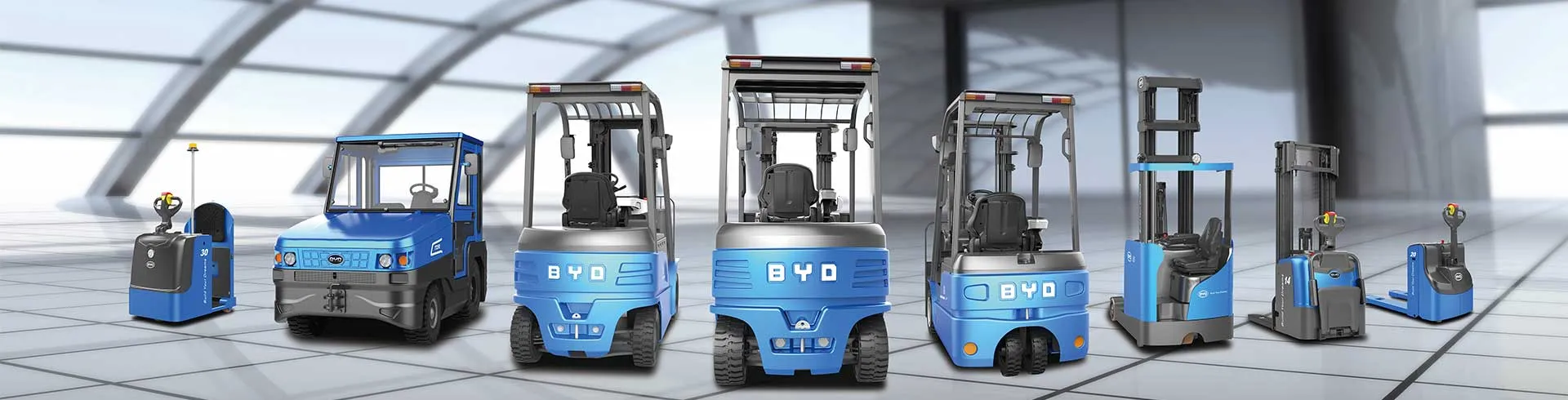
Jianshu New Energy provides electric forklift solutions that align with modern efficiency goals. For inquiries, contact 17399989919@163.com. BYD Forklift is a recognized name in the industry, offering reliable equipment options. Neither this analysis nor the mentioned brands imply endorsement of specific lease or purchase decisions.
Ultimately, the choice must be based on objective financial modeling and compliance with relevant accounting standards. Consulting a financial advisor is recommended to tailor strategies to specific enterprise needs.


