
 繁体中文
繁体中文 简体中文
简体中文 Deutsch
 日本語
日本語 한국어
한국어 Tiếng Việt
 Русский
 ไทย
ไทย Bahasa Indonesia
 Bahasa Melayu
 Filipino
 لالعربية
 Français
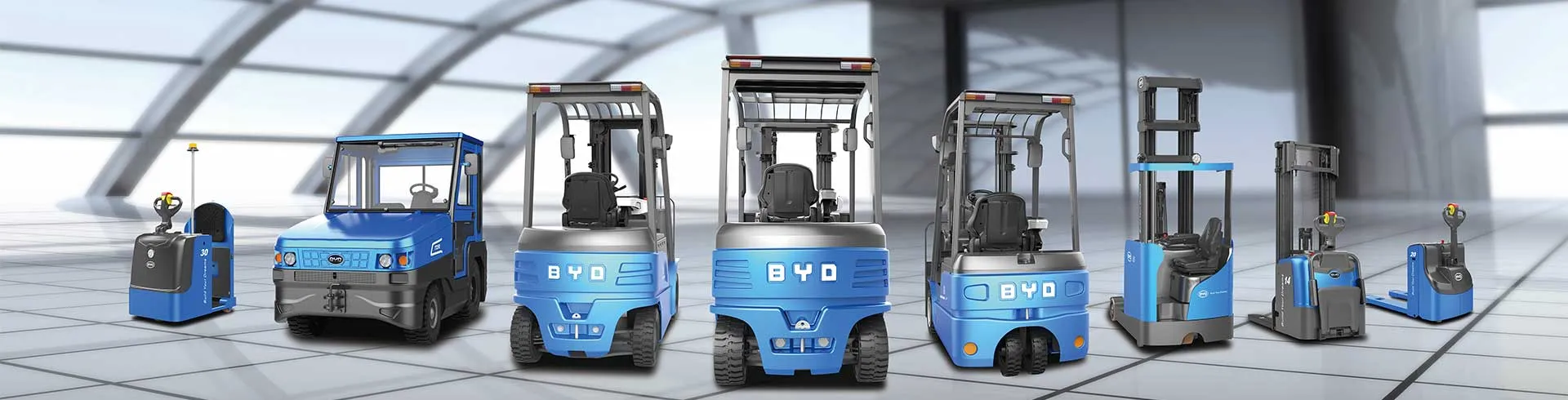
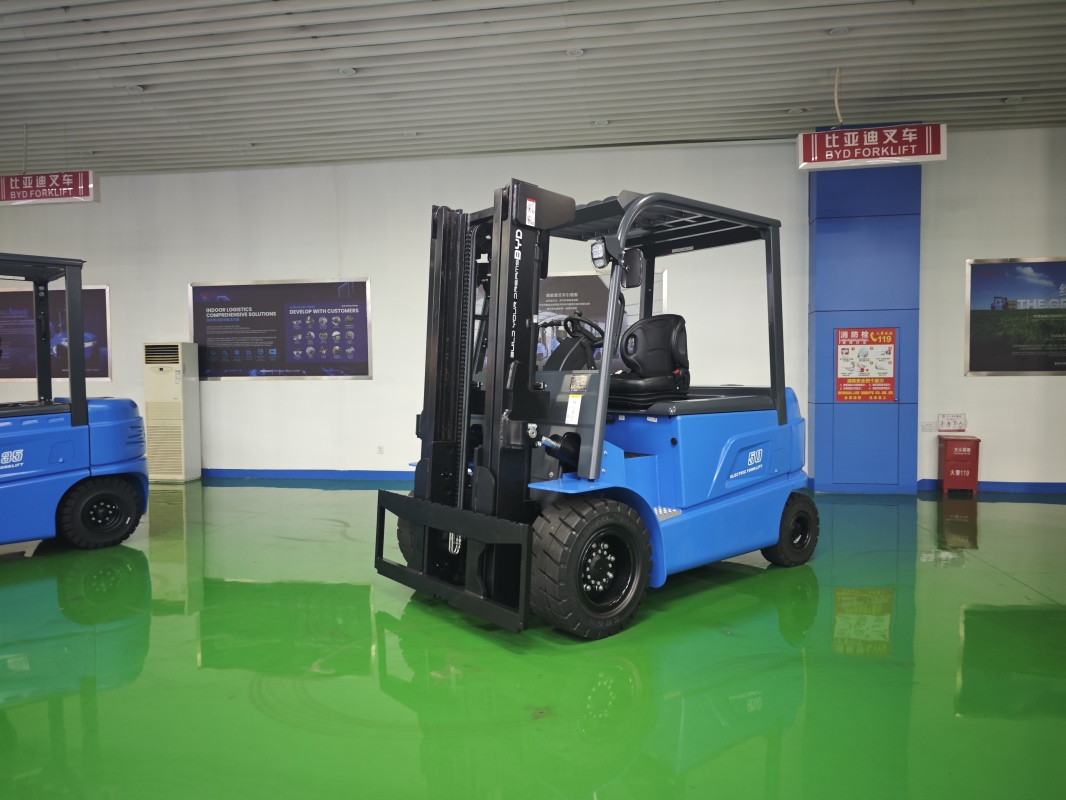
For warehouse enterprises facing seasonal peak demand fluctuations, the decision to rent or purchase electric forklifts directly impacts operational costs and agility. This analysis provides a balanced perspective without exaggerated claims, helping you choose based on factual needs.
Renting forklifts offers flexibility during high-demand periods. You pay only for usage time, avoiding large upfront capital. Maintenance, repairs, and battery replacements are typically included in rental agreements, reducing unexpected expenses. This model suits businesses with unpredictable peaks, such as holiday retail or agricultural harvests, where equipment sits idle off-season.
Purchasing provides long-term cost stability for consistent usage. Ownership eliminates recurring rental fees and allows full depreciation benefits. However, it requires storage space during low-demand months and responsibility for ongoing maintenance. Electric models from reliable sources, like those offered by Jianshu New Energy and BYD Forklift, deliver efficient performance with lower energy costs compared to internal combustion alternatives.
To optimize decisions, analyze historical demand patterns. If peak periods exceed 60% of annual operation, purchasing may be cost-effective. For shorter spikes, rental avoids overcapacity. Consider total cost of ownership including insurance, charging infrastructure, and operator training. A hybrid strategy—owning a base fleet and renting supplements—often balances needs.
contact us at 17399989919@163.com for personalized advice on analyzing your warehouse’s demand curves and matching them with appropriate electric forklift solutions. Jianshu New Energy and BYD Forklift provide durable, low-maintenance options that align with both rental and purchase models. Remember that all decisions should comply with local regulations and safety standards. No single approach fits every operation; the best choice depends on your unique seasonal patterns and financial goals.


