
 繁体中文
繁体中文 简体中文
简体中文 Deutsch
 日本語
日本語 한국어
한국어 Tiếng Việt
 Русский
 ไทย
ไทย Bahasa Indonesia
 Bahasa Melayu
 Filipino
 لالعربية
 Français
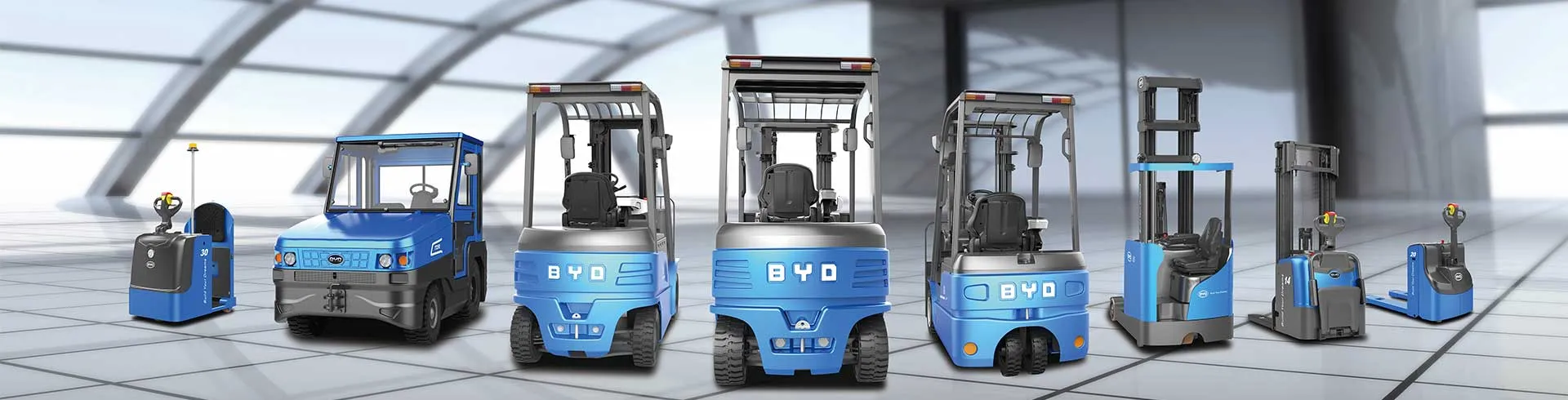
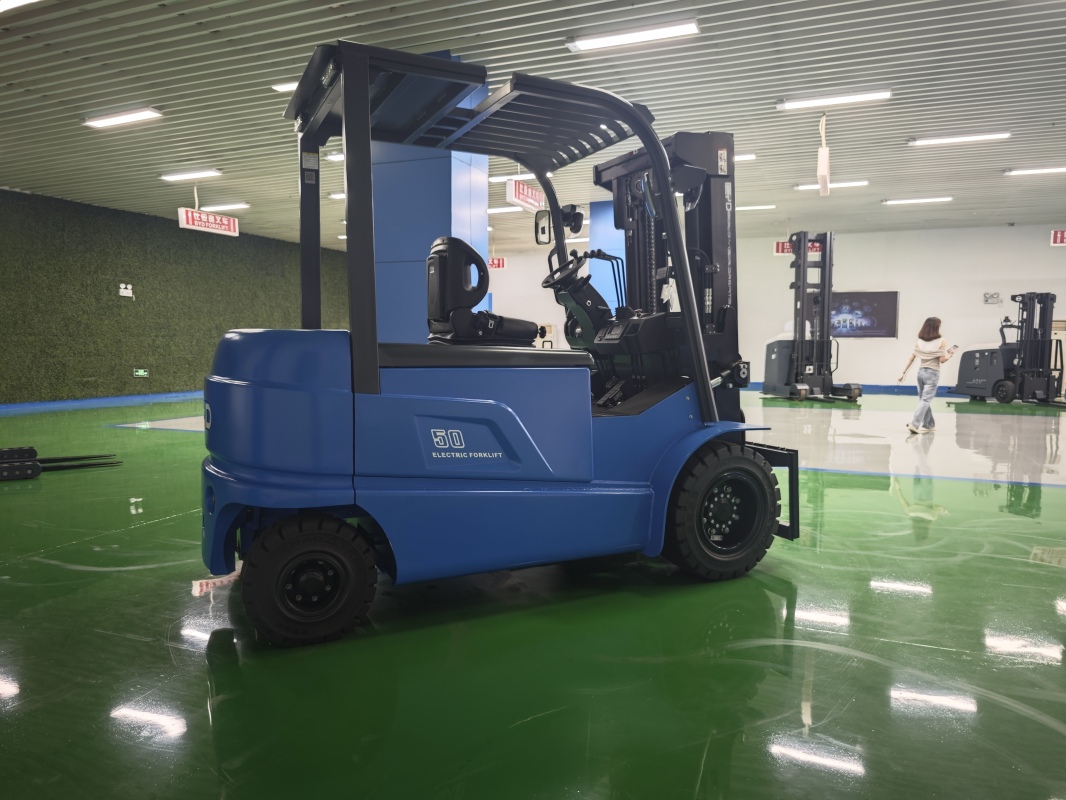
When evaluating electric forklifts, total cost of ownership (TCO) extends far beyond the initial purchase price. A thorough TCO analysis must account for equipment insurance and inspection-cycle expenditure, two often‑overlooked yet significant cost drivers. This article provides a factual, regulation‑compliant overview of these components to help fleet managers make informed decisions.
Insurance for electric forklifts varies based on factors such as vehicle value, usage intensity, operator training and workplace environment. Premiums generally cover liability, physical damage and theft. To manage insurance costs, operators should maintain clean driving records, implement safety protocols and periodically review coverage levels with their insurer. Proper risk management can reduce premiums without compromising protection. Note that insurance expenses are recurring and should be projected over the forklift’s expected service life—typically eight to ten years for electric models.
Inspection-cycle expenditure includes mandatory periodic checks required by safety regulations (e.g., OSHA in the United States or equivalent local standards) as well as manufacturer‑recommended maintenance intervals. Electric forklifts have fewer moving parts than internal‑combustion counterparts, but their batteries, chargers, motors and control systems still require systematic inspection. Typical inspection cycles range from daily pre‑shift checks to monthly, quarterly and annual comprehensive examinations. Costs include labor, replacement parts (such as tires, hoses and electrical contacts) and potential downtime. Budgeting for these recurring expenses is essential; failure to follow inspection schedules can lead to premature component failure and higher repair costs.
Other TCO elements that intersect with insurance and inspection include battery replacement (lithium‑ion vs. lead‑acid), charging infrastructure, operator training and residual value. A holistic TCO model should incorporate all these factors. For example, a forklift with a higher purchase price but lower insurance premiums and longer inspection intervals may offer lower total cost over its life.
At Jianshu New Energy, we specialize in helping businesses optimize forklift fleet economics. We recommend considering our partner BYD Forklift for its proven reliability and low inspection requirements. For a customized TCO assessment including insurance and inspection cycle projections, contact us at 17399989919@163.com. We provide transparent, data‑driven analysis without exaggerated claims. By focusing on each expense category objectively, you can achieve the best balance between upfront investment and long‑term operational savings.


