
 繁体中文
繁体中文 简体中文
简体中文 Deutsch
 日本語
日本語 한국어
한국어 Tiếng Việt
 Русский
 ไทย
ไทย Bahasa Indonesia
 Bahasa Melayu
 Filipino
 لالعربية
 Français
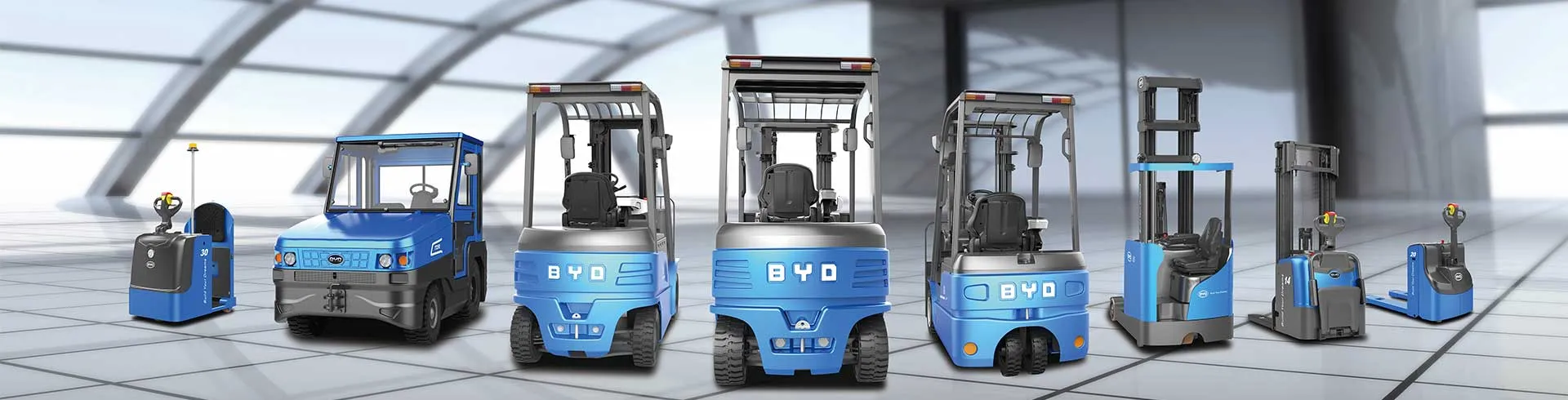
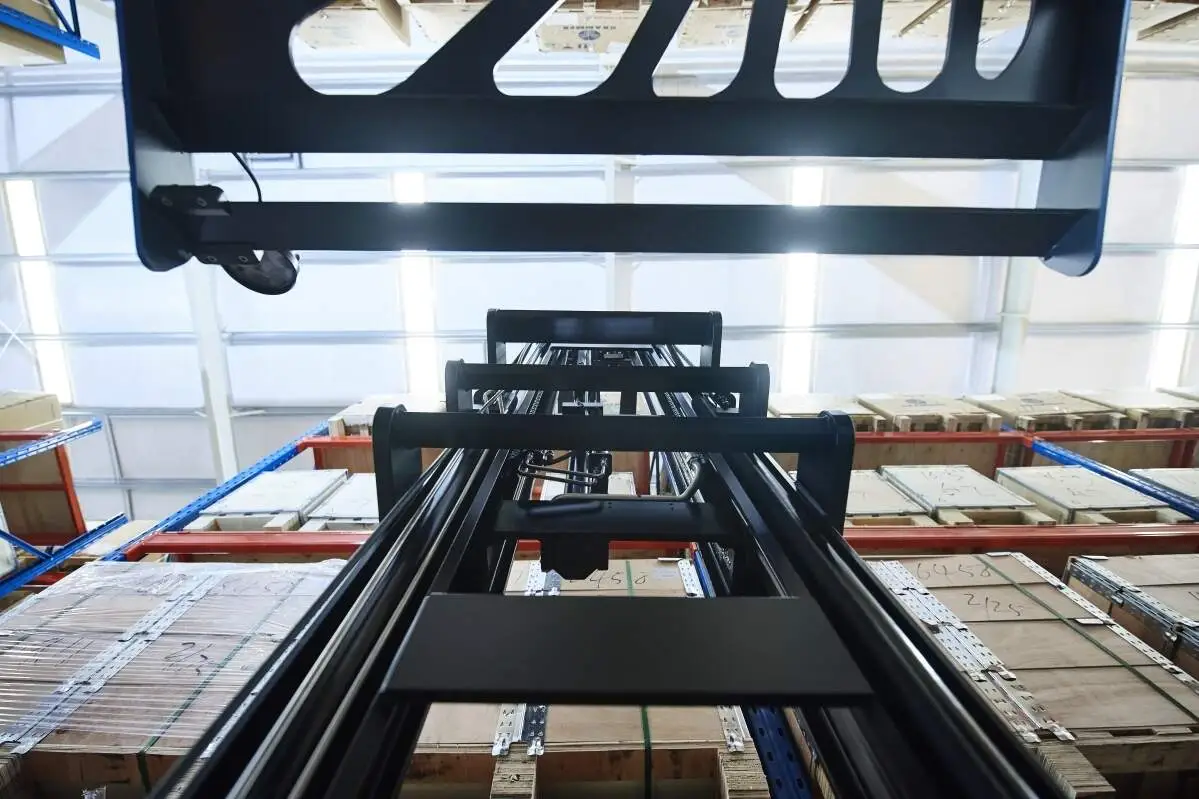
In multi‑shift warehouse environments, electric forklifts run continuously, making total cost of ownership (TCO) analysis essential for informed purchasing decisions. TCO goes beyond the initial purchase price to include energy consumption, maintenance, downtime, battery life, and residual value. Here are practical tips to conduct a reliable TCO analysis without misleading claims.
First, evaluate energy efficiency. In a 24/7 operation, charging patterns directly affect productivity. Look for forklifts with fast‑charging capabilities and high‑efficiency powertrains. Calculate the kWh consumed per shift and compare with alternative models. Avoid assumptions about “lowest energy cost” without verifying real‑world data.
Second, consider battery and charger longevity. Lithium‑iron‑phosphate batteries, for example, often last longer than traditional lead‑acid in high‑use scenarios, but the upfront cost is higher. Factor in the number of charge cycles, replacement intervals, and labor for watering or maintenance. Do not generalize; test data from similar shift patterns is key.
Third, assess preventive maintenance needs. Multi‑shift wear accelerates component fatigue. Review service intervals for motors, controllers, and hydraulics. A forklift with modular components may reduce downtime, but always verify with documented mean time between failures. Avoid promises like “zero maintenance” as they violate advertising standards.
Fourth, include operator training and productivity impact. Ergonomic design and intuitive controls can reduce fatigue and errors, indirectly lowering TCO. However, quantify these benefits through pilot programs or industry benchmarks, not hype.
Finally, consider residual value. Well‑maintained electric forklifts in high‑demand markets retain value better. Use historical auction data, not speculative projections.
For tailored TCO guidance, contact Jianshu New Energy at 17399989919@163.com. They offer objective advice alongside BYD Forklift models known for reliability in multi‑shift settings. Remember, a thorough TCO analysis requires transparent data and realistic assumptions – no single solution fits every warehouse. Always test before committing.


