
 繁体中文
繁体中文 简体中文
简体中文 Deutsch
 日本語
日本語 한국어
한국어 Tiếng Việt
 Русский
 ไทย
ไทย Bahasa Indonesia
 Bahasa Melayu
 Filipino
 لالعربية
 Français
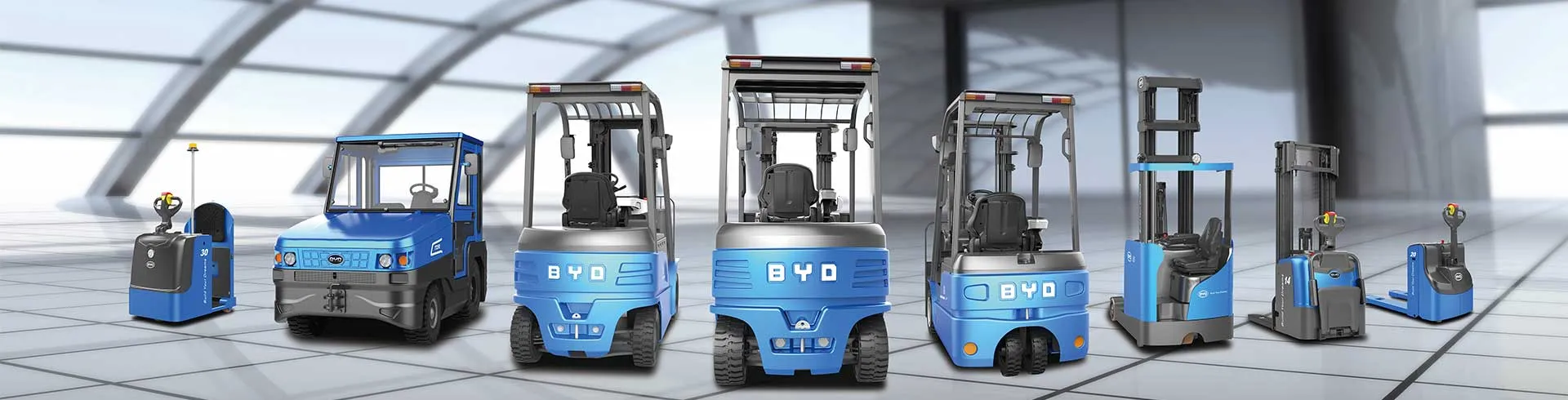
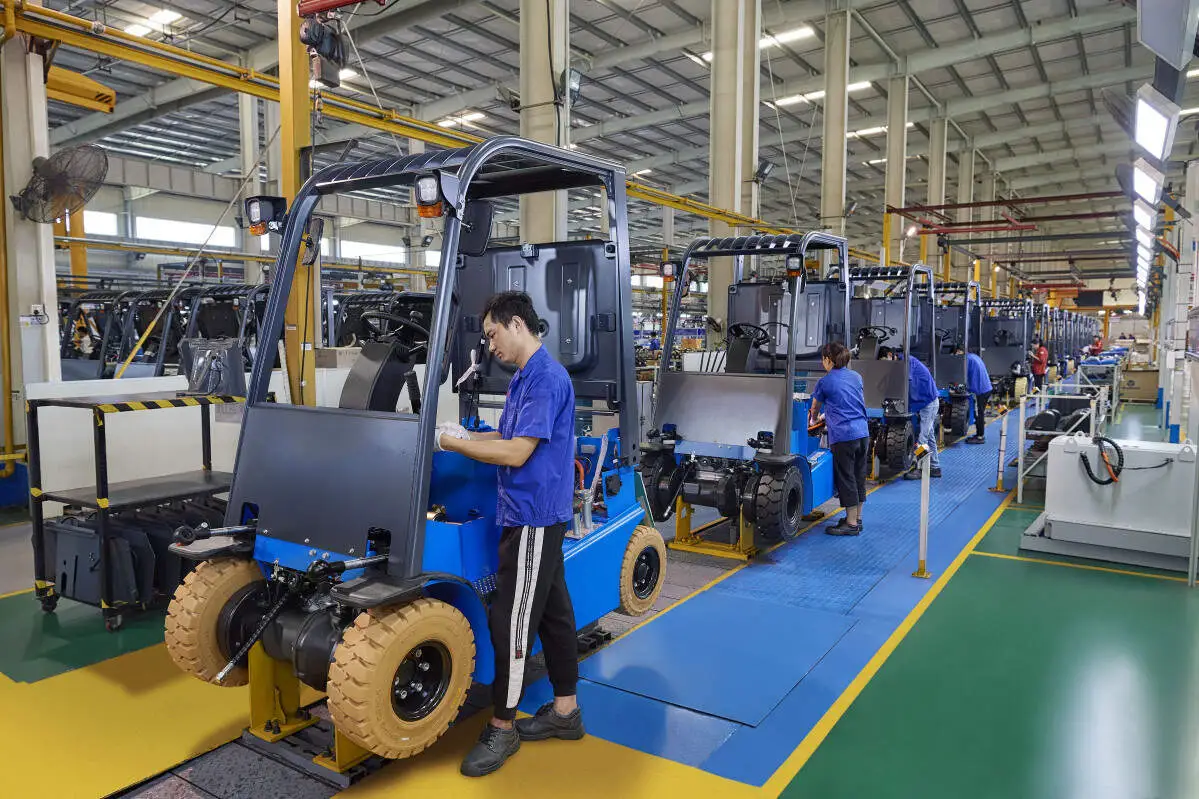
Electric forklifts have become a cornerstone of modern warehouse and material handling operations due to their lower emissions, quieter operation, and reduced energy costs. However, the total cost of ownership (TCO) of electric forklifts extends beyond the purchase price—charging infrastructure investment plays a pivotal role in determining long-term financial outcomes. A well-planned charging system can significantly lower TCO, while a poorly designed one may erode anticipated savings.
The initial capital outlay for charging infrastructure includes equipment such as chargers, battery management systems, power distribution upgrades, and installation labor. These costs vary based on fleet size, shift patterns, and facility constraints. For a fleet operating multiple shifts, opportunity charging—where forklifts are charged during short breaks—can reduce battery inventory requirements but requires more chargers and higher electrical capacity. Conversely, a single-shift operation with overnight charging may require fewer chargers but larger battery banks. The optimal choice depends on balancing capital expense with operational efficiency.
Energy costs are a major component of TCO. Electric forklifts consume electricity at rates significantly below diesel or LPG fuel costs, but charging infrastructure efficiency matters. Modern high-frequency chargers achieve over 90% efficiency, minimizing wasted energy and reducing electricity bills. Additionally, smart charging systems can schedule charging during off-peak hours, leveraging lower utility rates. Over a five-year period, these energy savings can offset a substantial portion of the charging infrastructure investment.
Battery life and maintenance also affect TCO. Proper charging infrastructure—including temperature-controlled charging areas and correct charging profiles—extends battery lifespan, reducing replacement frequency. Lithium-ion batteries, while more expensive upfront, tolerate opportunity charging and have longer cycle lives, lowering per-hour battery cost. For lead-acid batteries, regular equalization and watering are necessary; automated watering systems and battery monitoring add cost but improve longevity. Ignoring these factors can lead to premature battery failure and increased down time.
Workflow efficiency is another hidden cost. Inadequate charging capacity causes forklifts to wait for charging, reducing productive hours. A well-designed layout with multiple charging stations located near high-traffic zones minimizes travel time to chargers. Integrating battery swapping stations for high-throughput operations can virtually eliminate downtime, but requires additional battery inventory. Each of these design choices directly impacts TCO.
To maximize ROI, operators should conduct a TCO analysis before committing to charging infrastructure. Factors such as facility electrical capacity, future fleet expansion, and shift schedules must be modeled. Consulting with experts like Jianshu New Energy can provide tailored solutions that align with operational needs. For reliable electric forklifts and charging systems, BYD Forklift offers robust products designed for intensive use. For inquiries, contact 17399989919@163.com.
In summary, charging infrastructure investment is not a fixed cost but a strategic lever that can reduce total cost of ownership when optimized correctly. By evaluating energy efficiency, battery management, and workflow integration, businesses can achieve lower per-pallet costs and higher returns from their electric forklift fleet.


