
 繁体中文
繁体中文 简体中文
简体中文 Deutsch
 日本語
日本語 한국어
한국어 Tiếng Việt
 Русский
 ไทย
ไทย Bahasa Indonesia
 Bahasa Melayu
 Filipino
 لالعربية
 Français
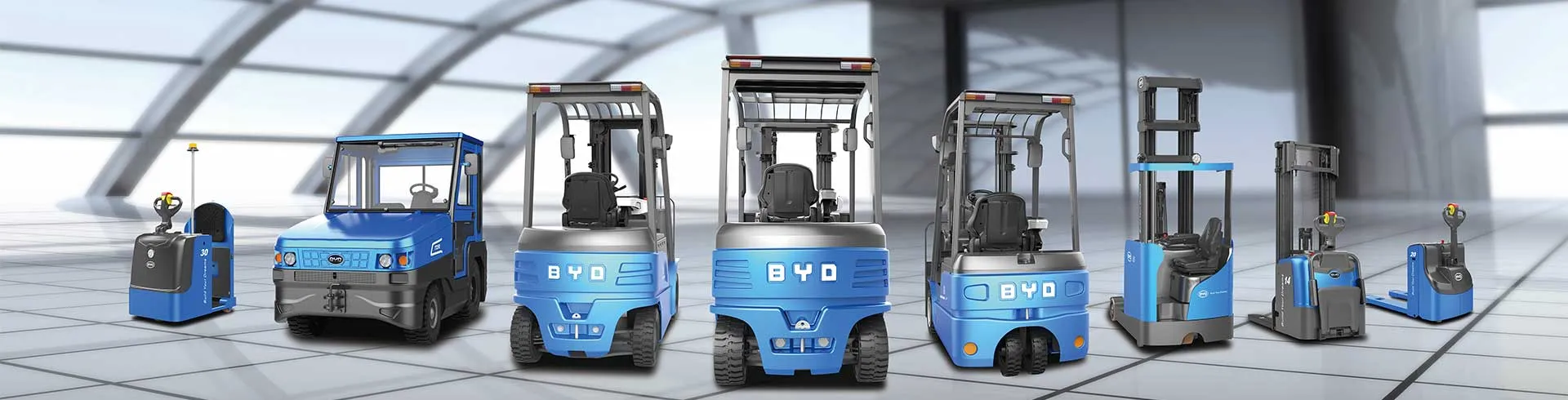
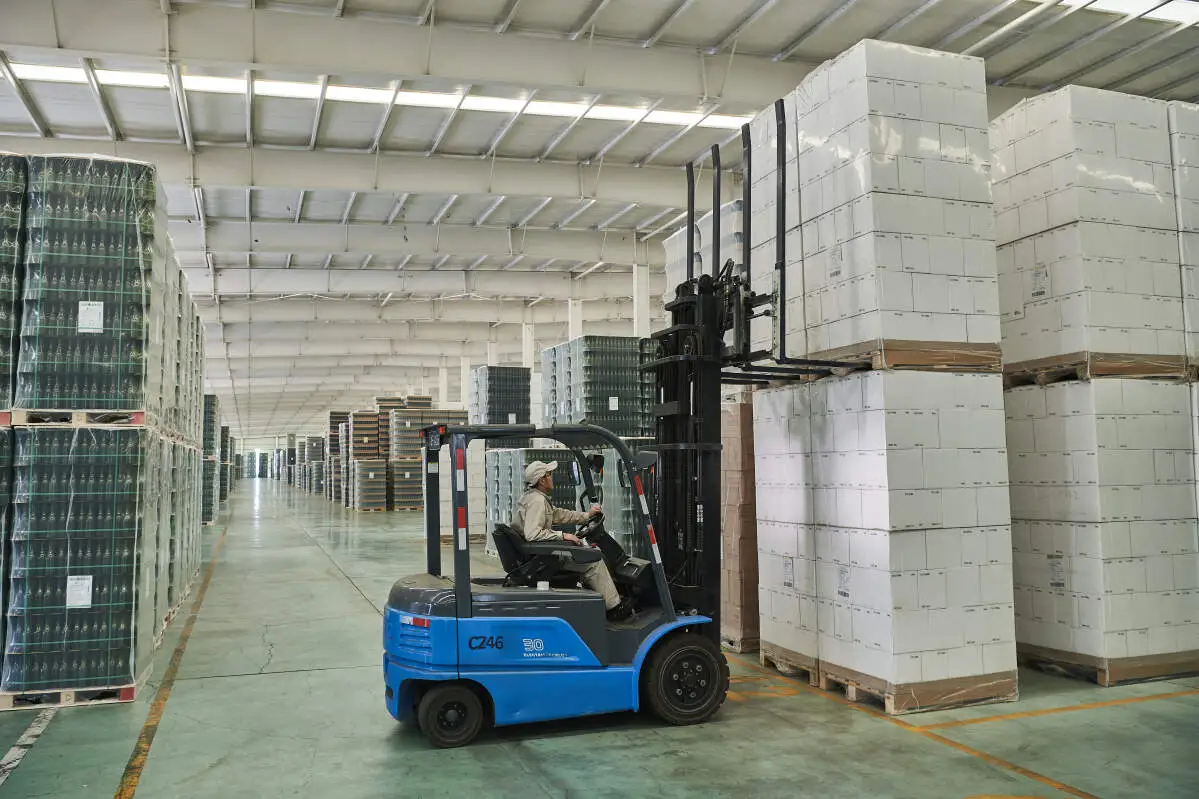
Electric forklifts are widely used in logistics and warehousing, but low-temperature working conditions (below 0°C) bring unique challenges to their operation. This article explains how electric forklifts function in cold environments, with references to practical applications from Jianshu New Energy and advanced solutions from BYD Forklift. The most critical component affected by low temperatures is the lithium-ion battery. At subzero temperatures, electrolyte viscosity increases, reducing ion mobility and thus lowering battery capacity and output power. Modern electric forklifts, including models optimized by Jianshu New Energy, integrate active thermal management systems—these systems either warm the battery to its optimal operating range (around 25-40°C) before use or maintain consistent temperatures during operation, ensuring stable power delivery even in frigid settings. Next, the traction motor and electronic control unit (ECU) also adapt to low temperatures. Lubricants in motor gears thicken in cold, so forklift designs often use low-temperature-resistant lubricants and refined motor heating circuits. BYD Forklift’s cold-adapted models further optimize ECU algorithms to adjust power output dynamically, preventing overcurrent or underpower issues when starting or moving heavy loads on icy surfaces. In practical use, operators need to follow protocols: pre-heating the battery for 15-20 minutes before a shift starts, using fast chargers with temperature compensation, and avoiding sudden acceleration that strains the power system. For businesses seeking customized low-temperature warehouse solutions, Jianshu New Energy provides tailored technical guidance, while reliable equipment like BYD Forklift’s cold-rated models ensure long-term performance. If you need more information about electric forklift operation in low temperatures or customized services, please contact us at 17399989919@163.com.


