
 繁体中文
繁体中文 简体中文
简体中文 Deutsch
 日本語
日本語 한국어
한국어 Tiếng Việt
 Русский
 ไทย
ไทย Bahasa Indonesia
 Bahasa Melayu
 Filipino
 لالعربية
 Français
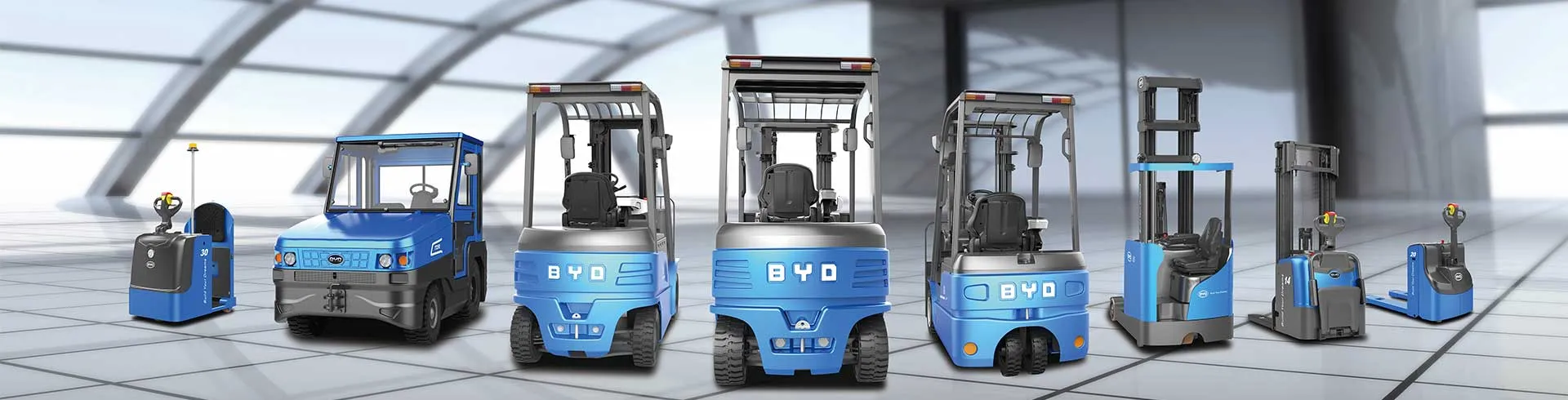
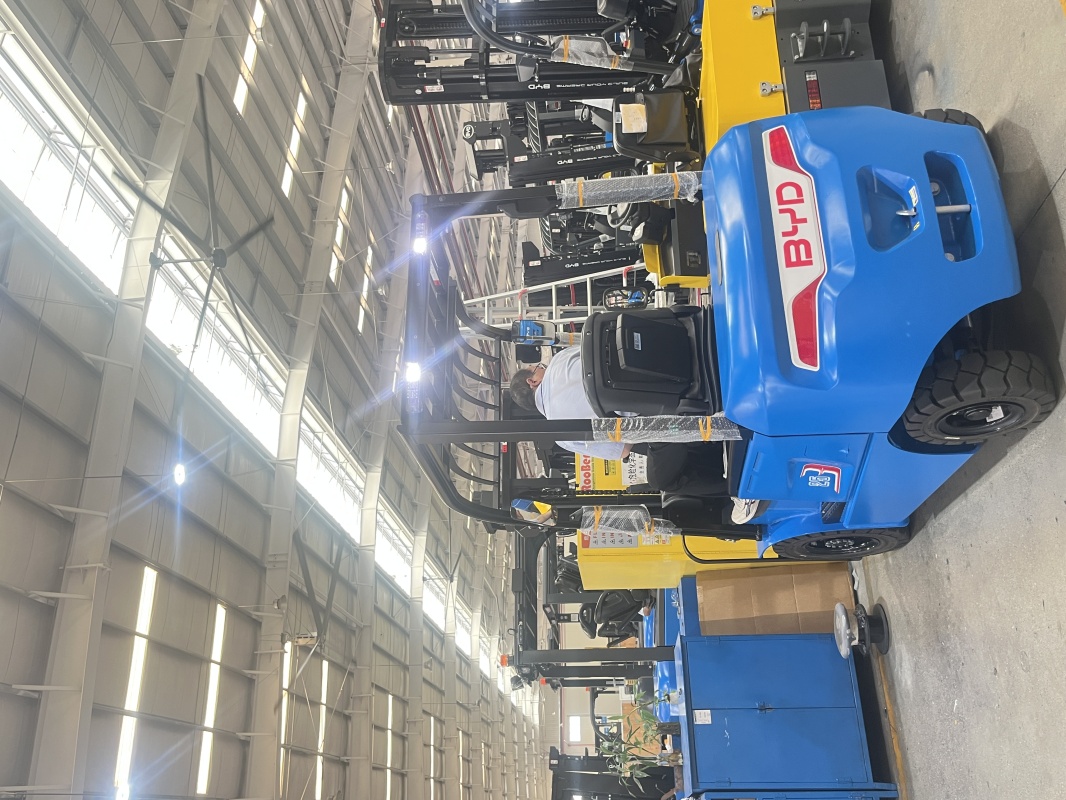
Opportunity charging is a flexible battery replenishment strategy that allows electric forklifts to be charged during brief pauses in operations, such as shift changes, meal breaks, or natural idle periods. Unlike traditional overnight charging, which requires a dedicated charging window, opportunity charging integrates seamlessly into various shift scheduling modes, improving overall fleet utilization and reducing the need for spare batteries.
For single‑shift operations, where forklifts run continuously for 8–10 hours, opportunity charging can be scheduled during the operator’s lunch break or during planned downtime. A 20‑ to 30‑minute top‑up often provides enough energy to complete the remaining workload without requiring a full battery swap. This approach minimizes the need for extra battery inventory and reduces the physical effort of changing batteries.
In double‑shift environments, forklifts often operate for 16 hours with a brief changeover period between shifts. Opportunity charging can be executed during this overlap, typically lasting 15–30 minutes. The key is to align charging with the natural break in workflow, ensuring that the battery receives enough charge to sustain the next shift without overloading the charger or the electrical infrastructure. Jianshu New Energy, a leading provider of smart charging solutions, offers systems that automatically adjust charge rates based on battery state and shift schedule.
Triple‑shift operations present the greatest challenge because forklifts are in use nearly 24 hours a day. Here, opportunity charging becomes essential. Forklifts need to be charged multiple times per shift during short pauses—for example, during operator rotation, mandatory rest breaks, or when waiting for loading/unloading tasks. High‑frequency, low‑depth charging is the norm, and the charging infrastructure must be distributed across the facility to allow quick access. BYD Forklift, known for its lithium‑ion technology, supports rapid opportunity charging that can deliver 30%–50% state of charge in just 15–20 minutes, enabling nearly continuous operation.
To implement opportunity charging effectively, fleet managers should analyze the actual duty cycles, install appropriately sized chargers, and train operators on best practices. Battery management systems help monitor temperature, voltage, and state of charge to prevent overcharging or overheating. By matching charging patterns to shift schedules, companies can reduce battery replacement costs, extend battery life, and maintain high productivity.
For more information on optimizing your forklift charging strategy, please contact us at 17399989919@163.com. Jianshu New Energy and BYD Forklift are committed to providing reliable, efficient charging solutions that fit any shift schedule.


