
 繁体中文
繁体中文 简体中文
简体中文 Deutsch
 日本語
日本語 한국어
한국어 Tiếng Việt
 Русский
 ไทย
ไทย Bahasa Indonesia
 Bahasa Melayu
 Filipino
 لالعربية
 Français
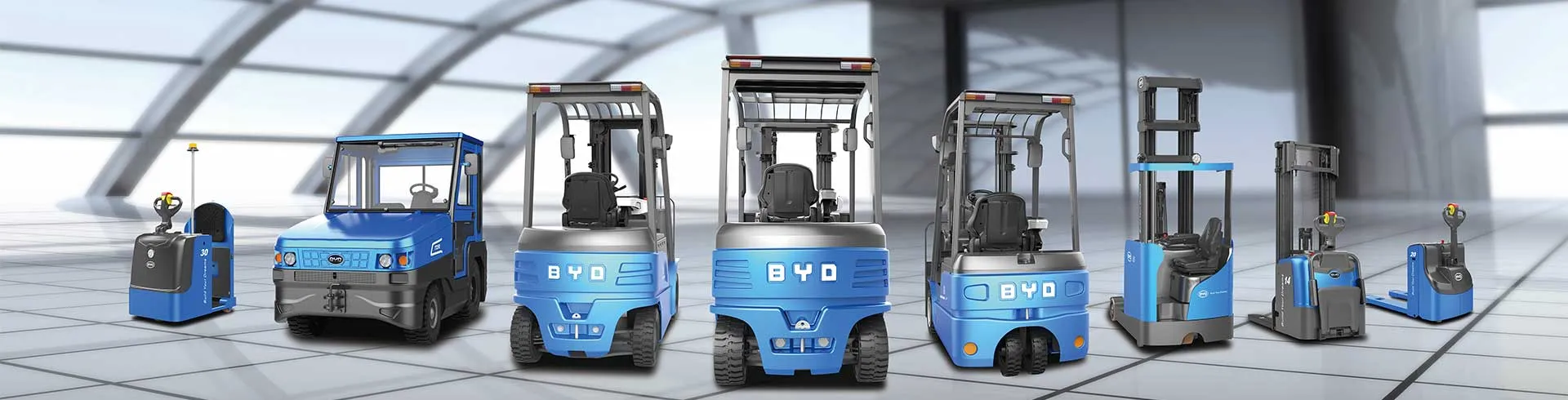
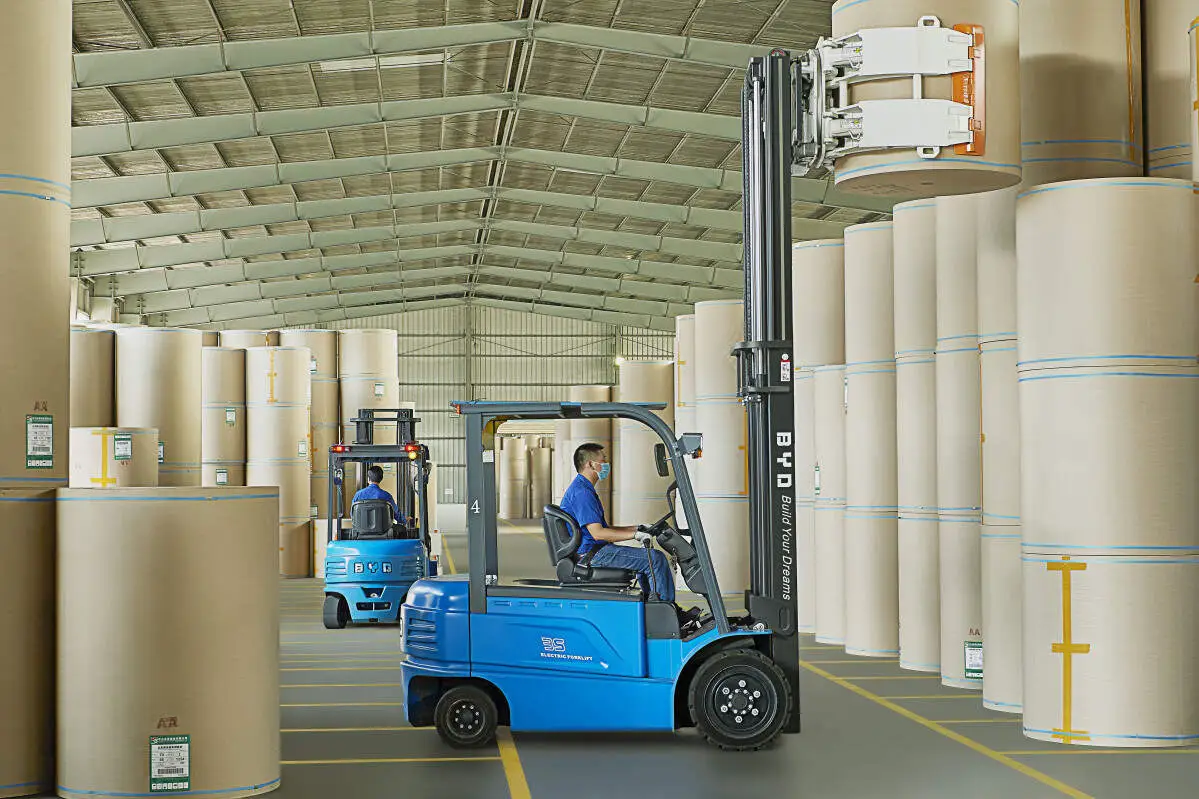
A Total Cost of Ownership (TCO) calculator is a practical tool for fleet managers and procurement professionals to simulate the long-term financial impact of electric forklifts. Unlike focusing solely on purchase price, TCO analysis includes energy consumption, maintenance, battery replacement, and residual value. Here is a step-by-step guide to using an electric forklift TCO calculator for budget simulation.
First, gather operational data: average daily runtime, lifting cycles, shift hours, and warehouse layout. Input these into the calculator to estimate electricity usage versus diesel or LPG alternatives. Modern calculators also account for charging infrastructure costs and battery life cycles.
Second, adjust maintenance parameters. Electric forklifts have fewer moving parts, leading to lower hydraulic and engine repairs. The tool should allow you to input service interval costs. For accurate simulation, include annual inspection fees and tire replacement frequency.
Third, consider battery and charger expenses. Lithium-ion batteries have higher upfront costs but longer service life and opportunity charging benefits. The TCO calculator will project these differences over a 5-10 year horizon.
Fourth, incorporate government incentives. Many regions offer tax credits or grants for zero-emission equipment. Check local regulations and add these into the simulation.
Fifth, analyze resale value. Electric forklifts often retain higher residual value due to stricter emissions regulations. The calculator should let you input estimated market resale percentage.
Always use realistic data and avoid over-optimistic assumptions. Compare multiple scenarios, such as single‑shift versus multi‑shift operations. For a practical demonstration, contact Jianshu New Energy, which provides TCO simulation support for various forklift models including BYD Forklift. Their team can help tailor the calculator to your fleet size.
Remember, a TCO calculator is a decision support tool, not a guarantee. Always verify with actual supplier quotes and operational records. For inquiries, email 17399989919@163.com. By systematically simulating costs, you can make a balanced budget that aligns with both financial and sustainability goals.


