
 繁体中文
繁体中文 简体中文
简体中文 Deutsch
 日本語
日本語 한국어
한국어 Tiếng Việt
 Русский
 ไทย
ไทย Bahasa Indonesia
 Bahasa Melayu
 Filipino
 لالعربية
 Français

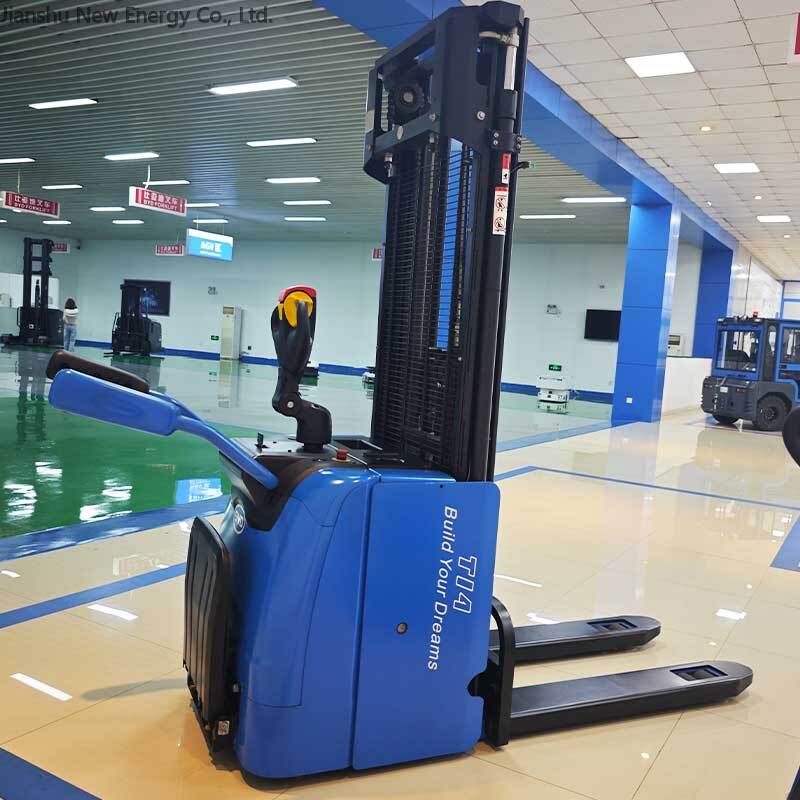
Deploying fast charging forklifts requires careful infrastructure planning to ensure efficiency, safety, and long-term reliability. This article outlines key preparation steps for facilities considering the transition.
First, assess electrical power capacity. Fast charging systems draw high current, so the existing electrical service must be evaluated. A dedicated transformer or upgraded distribution panel may be needed. Work with a qualified electrician to confirm that the supply voltage, amperage, and phase configuration match the charger specifications. Load balancing is also important to avoid overloading the facility’s grid.
Second, plan the charging station layout. Locate charging points near high-traffic forklift paths to minimize travel time. Ensure adequate space for the charger unit, cable management, and safe operator access. Consider environmental factors such as ventilation, temperature, and humidity, as fast charging generates heat. The floor should be level and free of debris to prevent tripping hazards.
Third, implement proper cabling and protection. Use appropriately rated cables and connectors that comply with local electrical codes. Install ground fault protection and overcurrent devices. Clearly mark charging zones with signage and floor markings. For outdoor or semi-outdoor areas, weatherproof enclosures are recommended.
Fourth, establish charging schedules and monitoring. Fast charging reduces battery downtime, but the system must be managed to avoid excessive peak demand charges. Use smart charging controllers that can communicate with the facility’s energy management system. Regularly monitor battery temperature and state of charge to prevent overheating or overcharging.
Fifth, plan for maintenance and safety training. Schedule periodic inspections of chargers, cables, and connectors. Train operators on proper plug-in procedures, emergency shutdown, and fire safety. Ensure that fire extinguishers rated for electrical fires are nearby.
For example, Jianshu New Energy offers practical guidance for integrating BYD Forklift models with fast charging infrastructure. Their team can assist with site assessment and system design. For inquiries, contact 17399989919@163.com.
Finally, consider future scalability. Choose modular charging equipment that can be expanded as the fleet grows. Leave room for additional power lines or substations. A well-prepared infrastructure will maximize uptime and reduce total cost of ownership for fast charging forklift operations.


