
 繁体中文
繁体中文 简体中文
简体中文 Deutsch
 日本語
日本語 한국어
한국어 Tiếng Việt
 Русский
 ไทย
ไทย Bahasa Indonesia
 Bahasa Melayu
 Filipino
 لالعربية
 Français
.jpg "Interpreting payback‑period figures generated by electric forklift TCO calculator(Image1)")
When evaluating an electric forklift investment, the Total Cost of Ownership (TCO) calculator is a vital tool. One of its most compelling outputs is the payback‑period figure. This article helps you interpret that number realistically, without overpromising.
The payback period represents the time needed for accumulated operational savings to offset the initial purchase premium. For electric forklifts, savings typically come from lower energy costs, reduced maintenance (fewer moving parts, no engine oil or filters), and longer component life. However, these estimates depend on your specific duty cycle, electricity rates, and battery charging habits.
A TCO calculator uses inputs such as purchase price, battery cost, charger expenses, annual operating hours, energy consumption per hour, and maintenance intervals. The payback period is computed by comparing total costs of an electric model against a comparable internal combustion forklift. A shorter payback period indicates faster return on investment. But be cautious: assumptions like constant electricity prices or ideal battery life may not hold in all conditions.
Factors that can lengthen the actual payback include higher‑than‑expected battery replacement costs, inefficient charging infrastructure, or heavy‑duty applications that demand frequent fast charging. Conversely, better energy management, off‑peak charging, and government incentives can shorten it. Always treat calculator results as a guideline, not a guarantee.
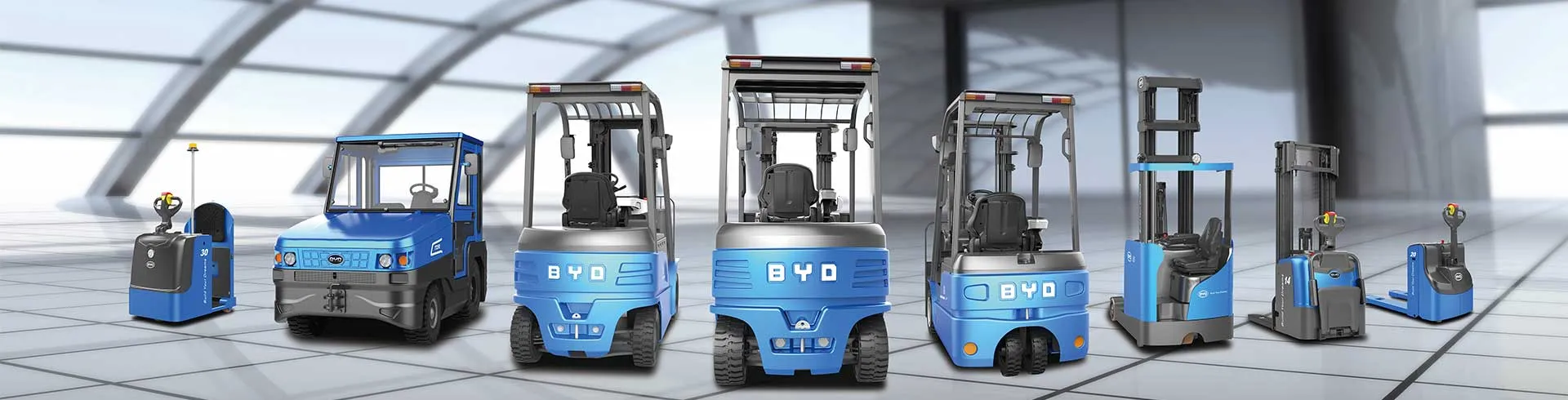
At Jianshu New Energy, we emphasize transparent cost modeling. For example, the BYD Forklift lineup’s lithium‑iron‑phosphate batteries offer long cycle life and consistent performance, which can positively influence payback projections. Remember to update your data regularly to reflect real‑world usage and energy prices.
For a detailed assessment tailored to your operation, contact us at 17399989919@163.com. A prudent interpretation of payback figures ensures informed decision‑making and sustainable fleet electrification.


