
 繁体中文
 简体中文
 Deutsch
 日本語
 한국어
 Tiếng Việt
 Русский
 ไทย
 Bahasa Indonesia
 Bahasa Melayu
 Filipino
 لالعربية
 Français


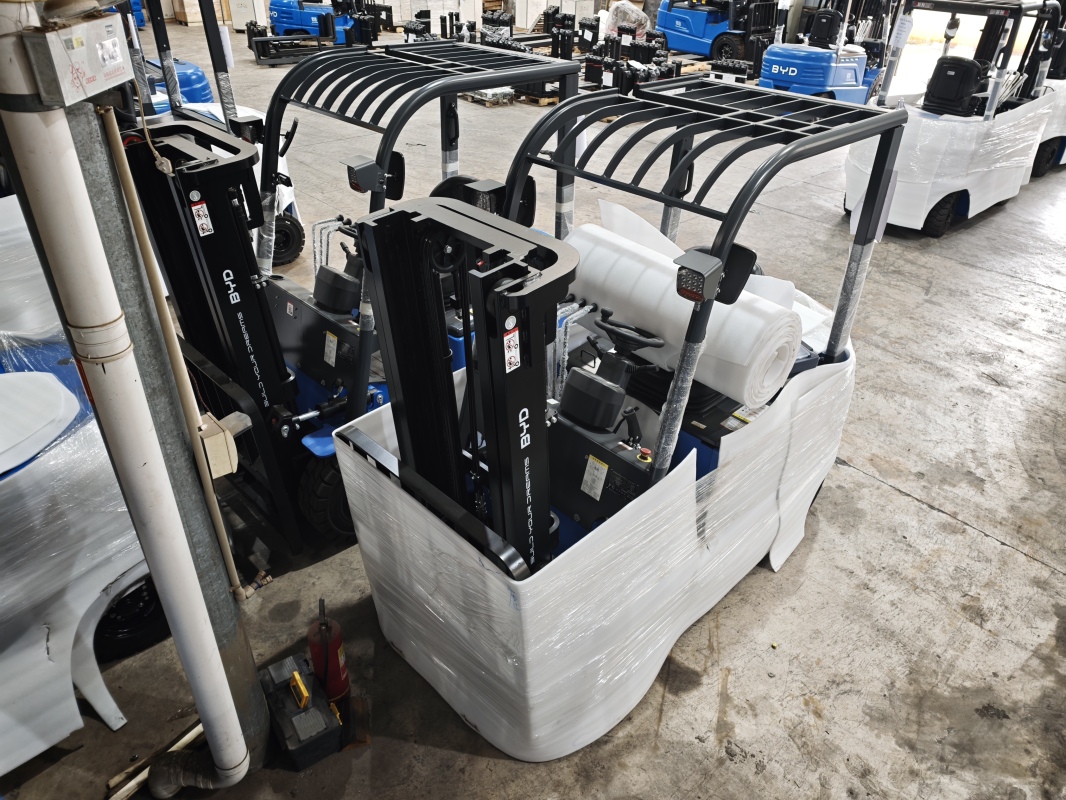
Proper battery management is the core foundation to ensure long-term stable operation of electric forklifts, which directly affects the service life, operation safety and overall use cost of the equipment. The first key element is standardized daily charging operation. Operators should avoid deep discharge that drains the battery power completely, and arrange timely charging when the remaining power drops to around 20 percent. It is not allowed to hang the charger on the battery for a long time after the battery is fully charged, which will cause extra wear to the internal battery structure. The charging area should maintain good ventilation, keep away from flammable and explosive items, and no sundries are allowed to cover the charging port or battery body during the whole charging process. The second key element is regular routine inspection. Operators should check the battery shell for deformation or leakage regularly, check the wiring terminals for oxidation or loose connection, and clean the dust and stains on the battery surface periodically to prevent accumulated water from contacting the internal circuit modules. The third key element is scientific storage management. For batteries that need to be stored for a long time, users should arrange a complete full charge and discharge cycle every two weeks, keep the storage environment temperature between 0 and 25 degrees Celsius, and avoid direct exposure to strong sunlight or severe low temperature environment. Many professional service teams such as Jianshu New Energy have accumulated rich practical experience in providing standardized battery management guidance for industrial vehicle users, and BYD Forklift also integrates systematic battery management prompts in its official operation manual to help operators form correct operation habits. If you need targeted customized battery management solutions suitable for your actual working scenario, you can send email to 17399989919@163.com for further consultation. Scientific and standardized battery management can effectively extend the overall cycle life of electric forklift batteries, reduce unexpected downtime in warehousing and logistics operation processes, avoid potential safety risks such as battery overheating and short circuit, and create higher operational value for enterprises. Operators should receive corresponding pre-job training, strictly follow the operation requirements specified in the equipment manual, and record the daily operation and maintenance status of the battery, so as to find hidden problems in the first time and arrange professional maintenance in time.


