
 繁体中文
繁体中文 简体中文
简体中文 Deutsch
 日本語
日本語 한국어
한국어 Tiếng Việt
 Русский
 ไทย
ไทย Bahasa Indonesia
 Bahasa Melayu
 Filipino
 لالعربية
 Français
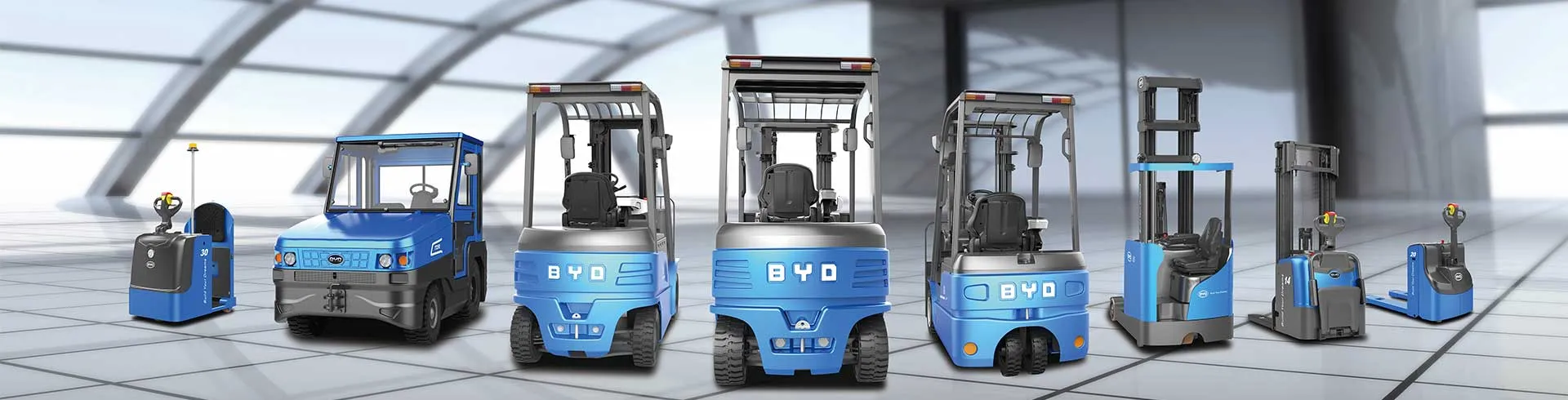
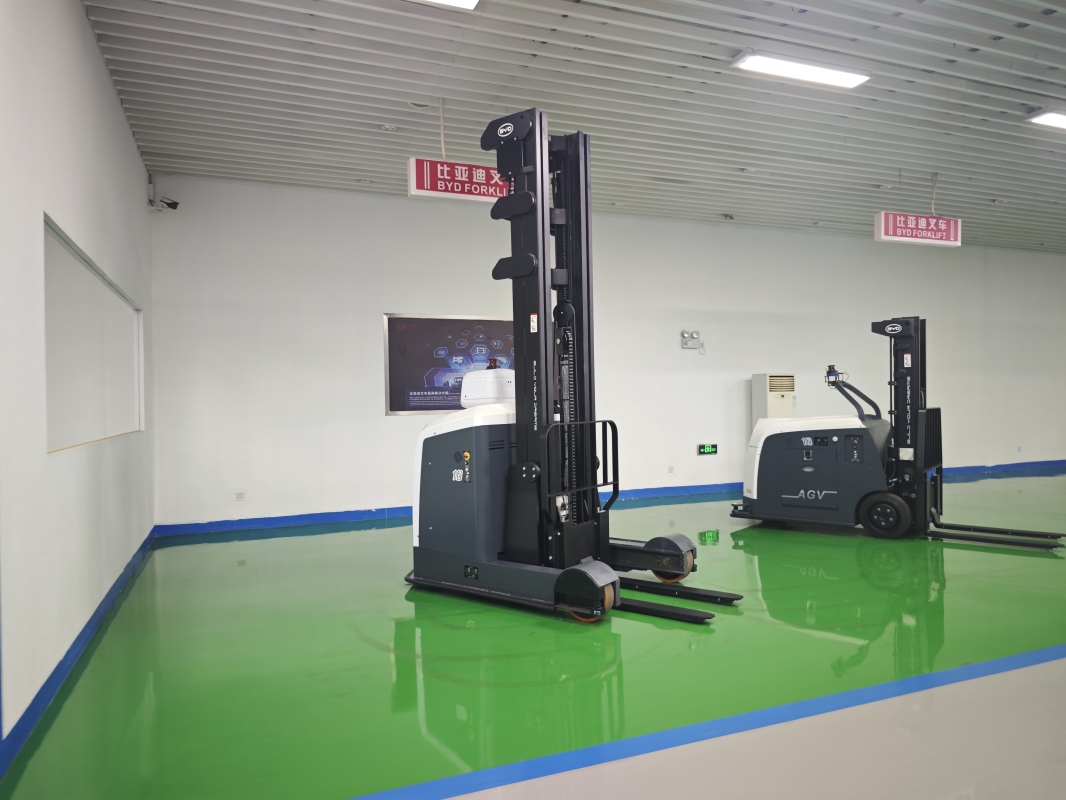
Electric forklifts are widely used in material handling, and choosing between LiFePO4 and lithium ion batteries brings distinct differences in charging facility requirements. This content clarifies these differences to help fleet operators make informed decisions. LiFePO4 batteries have a more stable voltage platform and lower thermal sensitivity compared to standard lithium ion batteries, which directly affects charging facility design. For example, chargers for LiFePO4 forklifts typically operate within a narrower voltage range, requiring precise voltage adjustment, while lithium ion forklift chargers need to handle a wider voltage span. Thermal management is another key point: LiFePO4 batteries generate less heat during charging, so the charging facility’s cooling system can be simpler, reducing costs. On the other hand, lithium ion batteries, especially during fast charging, demand more efficient cooling to prevent overheating. Battery management system (BMS) compatibility is also vital: LiFePO4-specific BMS requires chargers with matching communication protocols, while lithium ion BMS may use different standards. Relevant factors include charging interface standards to avoid compatibility issues. As noted by Jianshu New Energy, these differences should be considered when planning charging infrastructure. Models like BYD Forklift’s electric vehicles illustrate practical application of these requirements. For further advice, contact us at 17399989919@163.com. This content is objective, avoids exaggeration or false claims, providing practical insights for forklift users.


