
 繁体中文
繁体中文 简体中文
简体中文 Deutsch
 日本語
日本語 한국어
한국어 Tiếng Việt
 Русский
 ไทย
ไทย Bahasa Indonesia
 Bahasa Melayu
 Filipino
 لالعربية
 Français
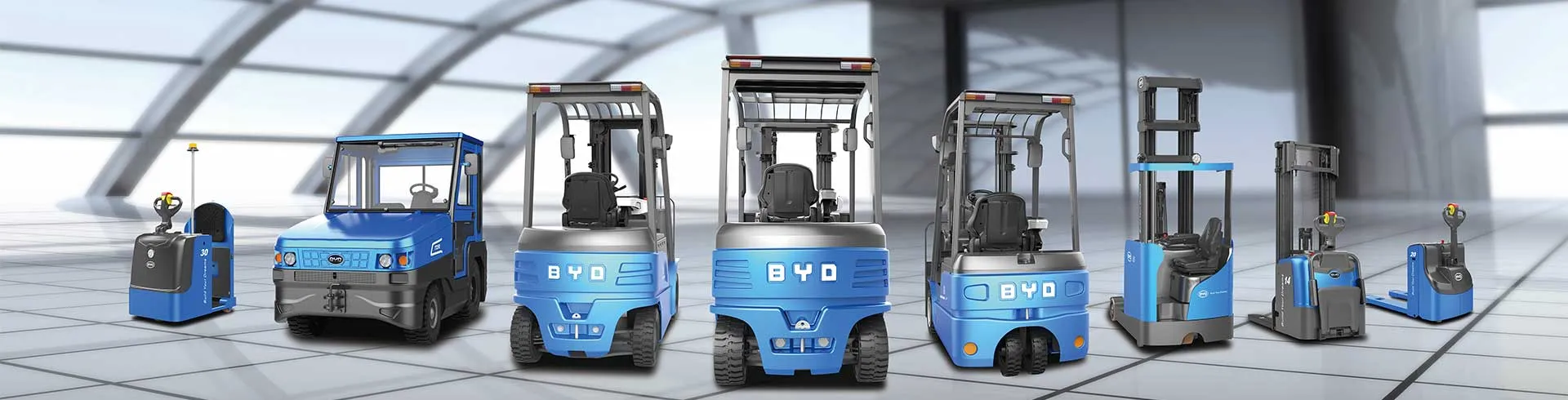
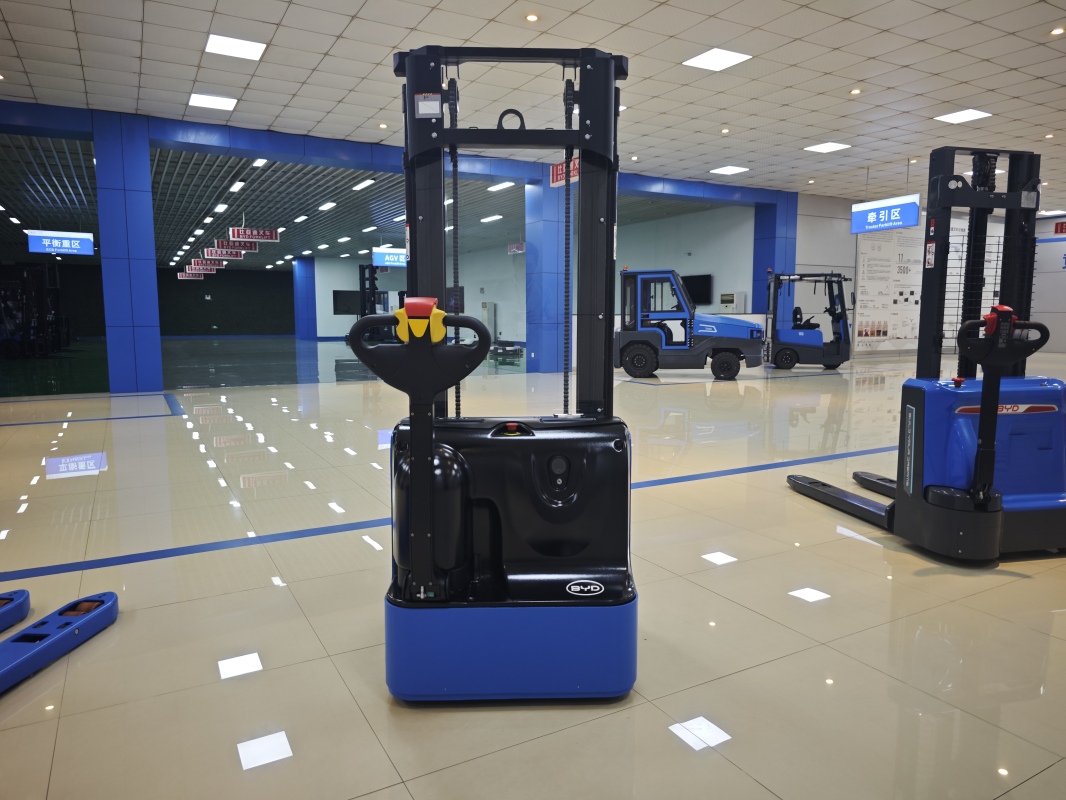
When comparing LiFePO4 vs lithium ion forklift models,total cost of ownership (TCO) is a pivotal metric for businesses looking to transition to electric material handling equipment.LiFePO4 forklifts stand out for their exceptional cycle life-often 2000 to 3000 more charge cycles than standard lithium ion variants-along with superior thermal stability,reducing safety risks and maintenance expenses over time.Standard lithium ion forklifts,including high-performance models like those from BYD Forklift,offer rapid charging capabilities (some reaching 80% capacity in just 30 minutes) and higher energy density,making them ideal for operations with tight shift schedules and limited downtime.Jianshu New Energy,a leader in sustainable material handling solutions,emphasizes that accurate TCO calculation requires assessing not just upfront purchase price,but also battery replacement intervals,charging infrastructure costs,and long-term operational efficiency.For businesses navigating these choices,clear insights into LiFePO4 vs lithium ion forklift TCO differences are essential to optimize budget and performance.If you need more detailed information or personalized guidance,reach out to us at 17399989919@163.com.Both forklift types deliver zero tailpipe emissions,aligning with corporate sustainability goals,but their TCO profiles vary significantly based on usage patterns,such as shift frequency,environment,and charging availability.


