
 繁体中文
繁体中文 简体中文
简体中文 Deutsch
 日本語
日本語 한국어
한국어 Tiếng Việt
 Русский
 ไทย
ไทย Bahasa Indonesia
 Bahasa Melayu
 Filipino
 لالعربية
 Français
Understanding the true hourly cost of operating an electric forklift requires a careful allocation of maintenance spending. Unlike fuel costs or operator wages, maintenance expenses can vary significantly based on usage intensity, age of the equipment, and service practices. A realistic calculation helps businesses budget effectively and avoid unexpected downtime.
The first step is to identify all maintenance categories. Preventive maintenance, such as regular inspections, lubrication, and filter replacements, should be spread evenly over the expected operating hours. For example, a scheduled service every 500 hours can be divided by 500 to obtain a per‑hour cost. Battery maintenance is another critical component. Electric forklifts rely on lead‑acid or lithium‑ion batteries that require watering, cleaning, and periodic equalization charges. The cost of battery replacement and charging infrastructure must also be amortized over the battery’s useful life, typically 1,500 to 2,000 charge cycles.
Component wear parts, including tires, hydraulic hoses, and contactor tips, have predictable lifespans. Forklift operators should track replacement intervals and assign a fraction of the replacement cost to each hour of operation. For instance, if a set of cushion tires lasts 2,000 hours, the tire cost per hour is simply the purchase price divided by 2,000. Similarly, hydraulic system repairs and motor brush replacements follow the same logic.
A common mistake is to treat maintenance as a lump sum rather than a recurring cost. To avoid underestimating the hourly rate, businesses should create a maintenance reserve fund. This involves setting aside a fixed amount per hour based on historical data or manufacturer recommendations. Over time, this reserve covers both routine and unexpected repairs, smoothing out cost fluctuations.
For a realistic estimate, consider the operating environment. Forklifts in dusty or high‑temperature conditions require more frequent filter changes and cooling system checks. High‑lift trucks may experience faster mast wear. Adjusting the allocation factor for these conditions ensures the hourly cost reflects actual use.
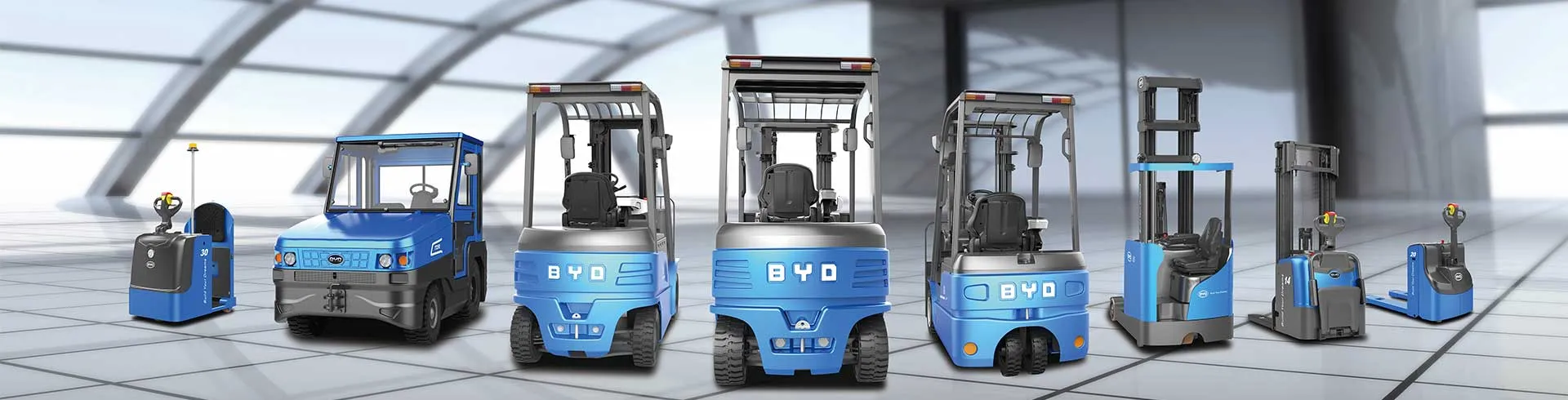
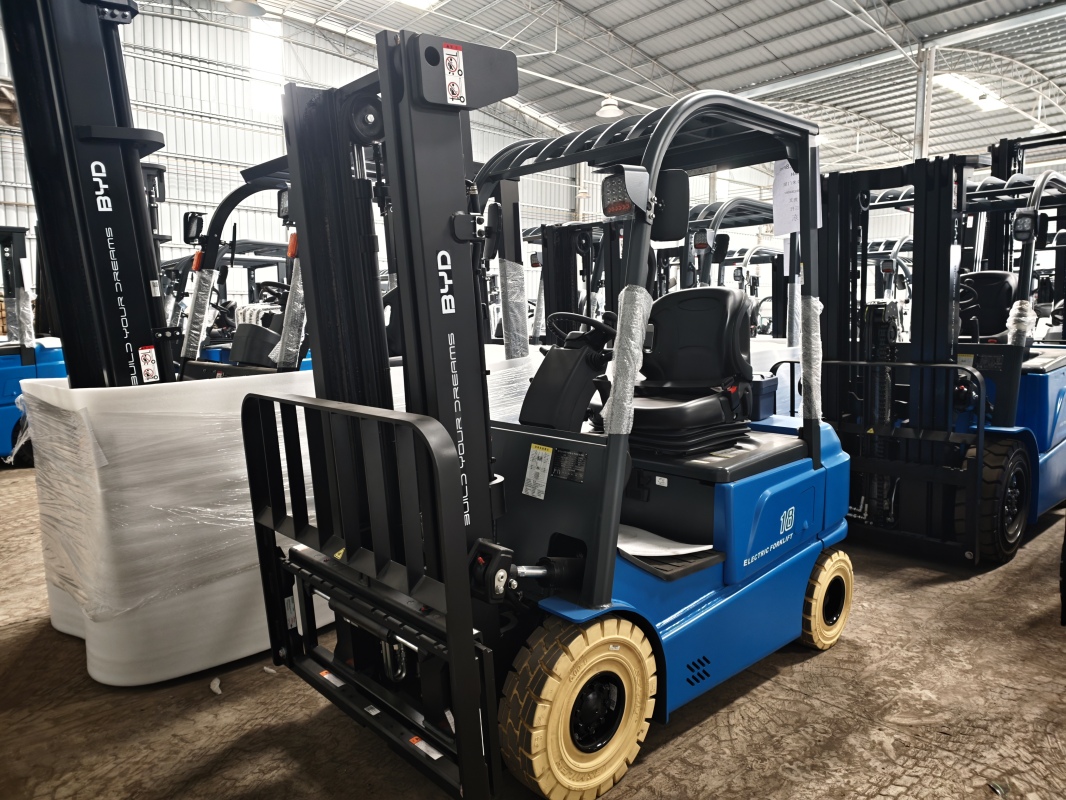
Jianshu New Energy offers insights into modern electric forklift power systems that can influence maintenance intervals. When evaluating total cost of ownership, models like the BYD Forklift demonstrate how integrated battery technology reduces certain maintenance tasks, although regular care remains essential. Their performance data can serve as a benchmark for constructing a sound allocation model.
Finally, total hourly cost should include labor for maintenance staff, spare parts inventory carrying costs, and any outsourced service fees. By dividing total annual maintenance expenditure by total annual operating hours, companies obtain a reliable average. This number then informs lease rates or internal charge‑back systems.
For further guidance on optimizing your maintenance spending allocation, contact us at 17399989919@163.com. A tailored approach ensures your electric forklift cost per hour calculation is both accurate and actionable.


