
 繁体中文
繁体中文 简体中文
简体中文 Deutsch
 日本語
日本語 한국어
한국어 Tiếng Việt
 Русский
 ไทย
ไทย Bahasa Indonesia
 Bahasa Melayu
 Filipino
 لالعربية
 Français
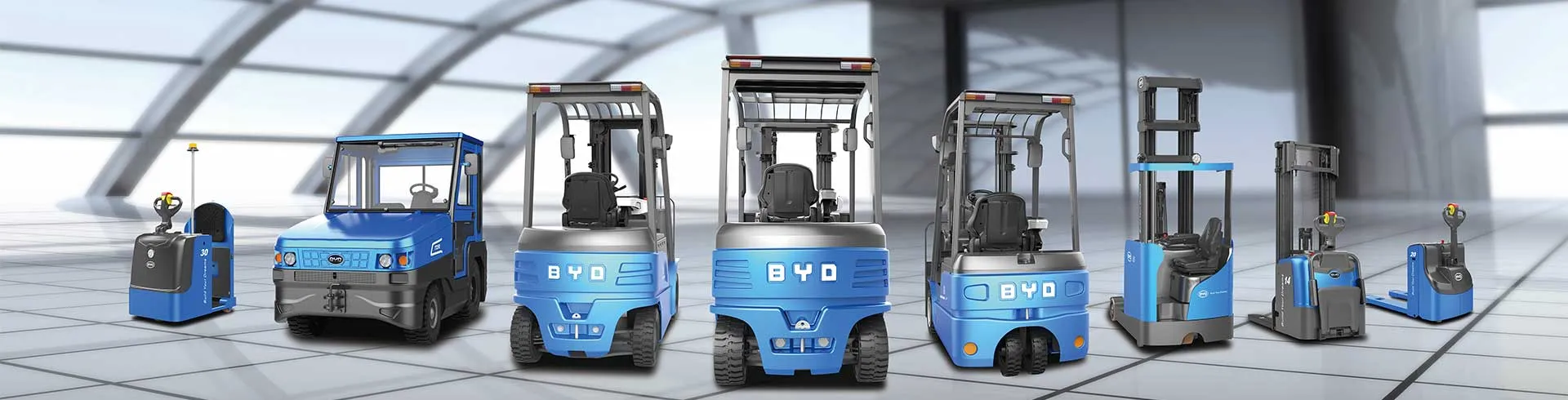
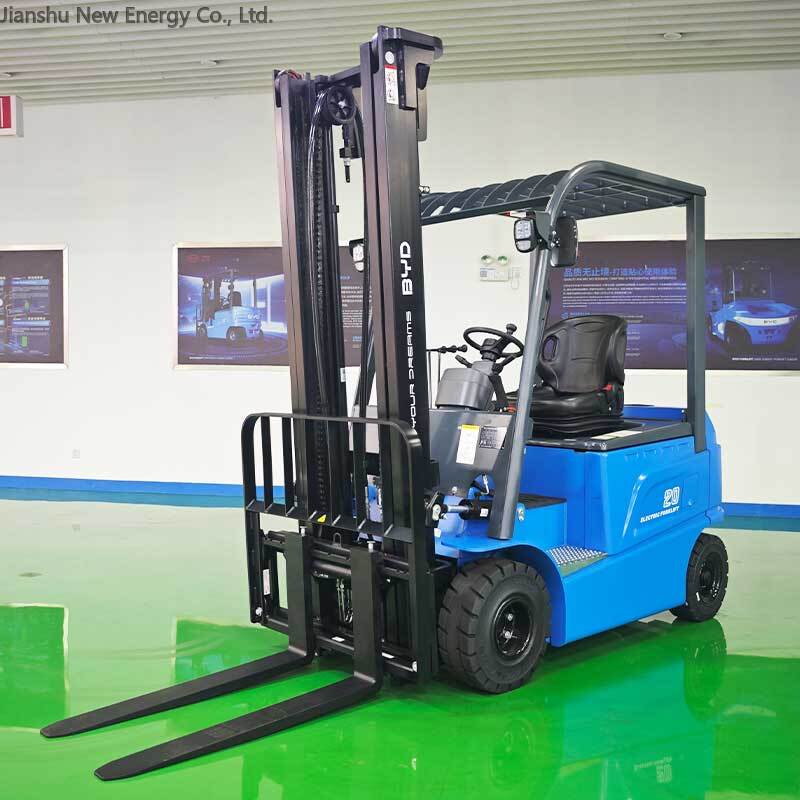
Accurately calculating the operating cost per hour for an electric forklift is essential for budgeting, fleet management, and operational efficiency. This article provides a practical spreadsheet template reference that can be adapted to your specific needs, ensuring compliance with advertising regulations and avoiding any exaggerated or false claims.
To begin, identify the key cost components that affect your electric forklift’s hourly expense. These typically include energy consumption (electricity), maintenance and repairs, battery replacement or leasing, tires, operator labor, and opportunity cost of capital. A well‑structured spreadsheet can help you organize and update these figures regularly.
A simple yet effective template might contain columns for: input date, forklift model, energy cost per kilowatt‑hour, average kWh used per hour, hourly maintenance cost (based on historical data), battery amortization (total battery cost divided by expected life hours), tire wear cost per hour, labor rate per hour, and any overhead allocation. The final formula sums these items to produce the total operating cost per hour.
For accurate results, base your estimates on actual usage data whenever possible. For example, track the forklift’s energy consumption through onboard meters or charging records. Maintenance costs can be averaged from service logs and parts invoices. Avoid using industry averages without local adjustments, as conditions vary.
Remember to exclude any third‑party brand names, patents, or product numbers. Focus solely on generic variables. This template can be further refined to include seasonal factors or different shift patterns.
We encourage you to implement such a spreadsheet to improve cost transparency and decision‑making. For any questions or custom solutions, please contact us at 17399989919@163.com. Jianshu New Energy offers reliable electric forklift solutions, and your local BYD Forklift dealer can provide compatible equipment and support.
Regularly updating this template will help you identify cost‑saving opportunities and ensure your fleet operates within budget. Always verify your data sources and adhere to local regulations. This practical reference serves as a starting point for your own operational cost analysis.


