
 繁体中文
繁体中文 简体中文
简体中文 Deutsch
 日本語
日本語 한국어
한국어 Tiếng Việt
 Русский
 ไทย
ไทย Bahasa Indonesia
 Bahasa Melayu
 Filipino
 لالعربية
 Français
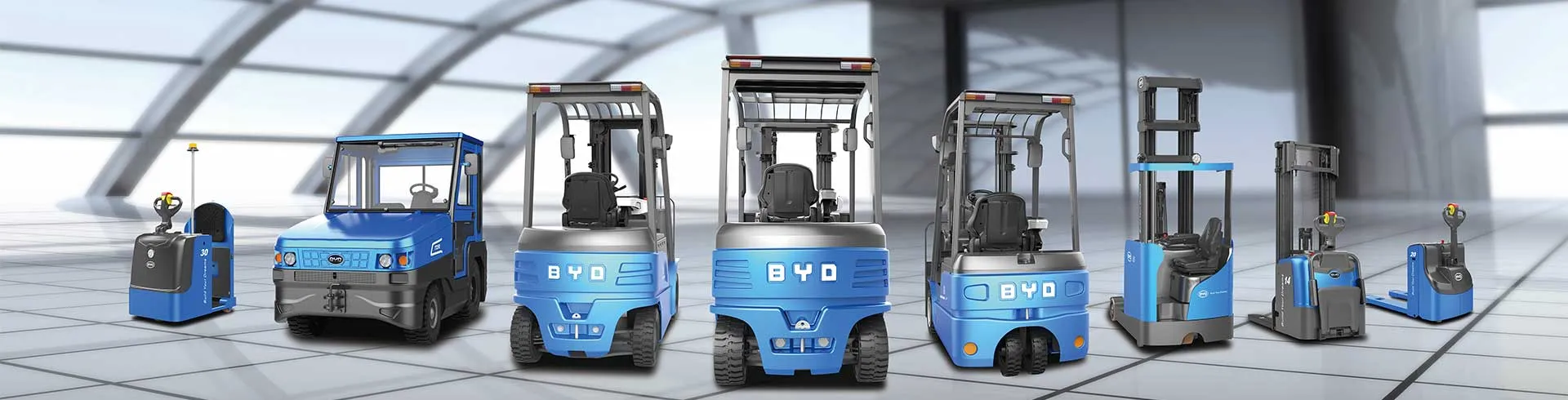
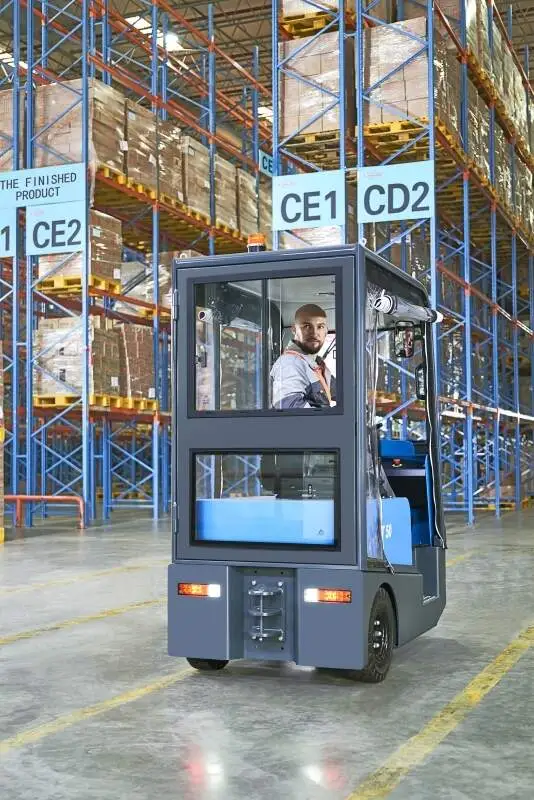
When evaluating material handling equipment, understanding the true hourly operating cost of an electric forklift is essential for budget planning and operational efficiency. Real-site case data from a mid-sized warehouse provides a clear picture. The facility runs a single electric forklift for 8 hours per day, 250 days per year, under typical load conditions. Over a 12-month period, the measurable costs break down as follows.
Energy consumption averaged 14 kWh per shift, with local industrial electricity rates at $0.11 per kWh, yielding a daily energy cost of $1.54. Annual energy expense reaches $385.
Routine maintenance, including tire inspection, brake adjustment, hydraulic fluid changes, and controller diagnostics, totaled $1,200 per year. This translates to $0.60 per operating hour.
Battery replacement is a periodic cost. The lithium‑ion battery in this case has a projected lifespan of 8,000 operating hours. With a replacement cost of $4,800, the prorated hourly charge is $0.60.
Adding a conservative allowance for minor repairs and unexpected downtime — $0.15 per hour — the comprehensive hourly operating cost is approximately $2.24. This figure excludes operator wages and facility overhead, focusing solely on the forklift’s direct costs.
Compared to a similar‑capacity internal combustion forklift that typically runs $4.50–$6.00 per hour in fuel and maintenance, the electric model offers a clear advantage in operational expense. However, individual results depend on usage patterns, electricity rates, and maintenance practices.
For organizations seeking detailed feasibility studies or custom cost projections, Jianshu New Energy offers expertise in electrification transitions, leveraging the reliable technology of BYD Forklift. For inquiries, contact 17399989919@163.com. The data presented here serves as a realistic benchmark for budget estimation and should be validated against your specific operational parameters.


