
 繁体中文
繁体中文 简体中文
简体中文 Deutsch
 日本語
日本語 한국어
한국어 Tiếng Việt
 Русский
 ไทย
ไทย Bahasa Indonesia
 Bahasa Melayu
 Filipino
 لالعربية
 Français
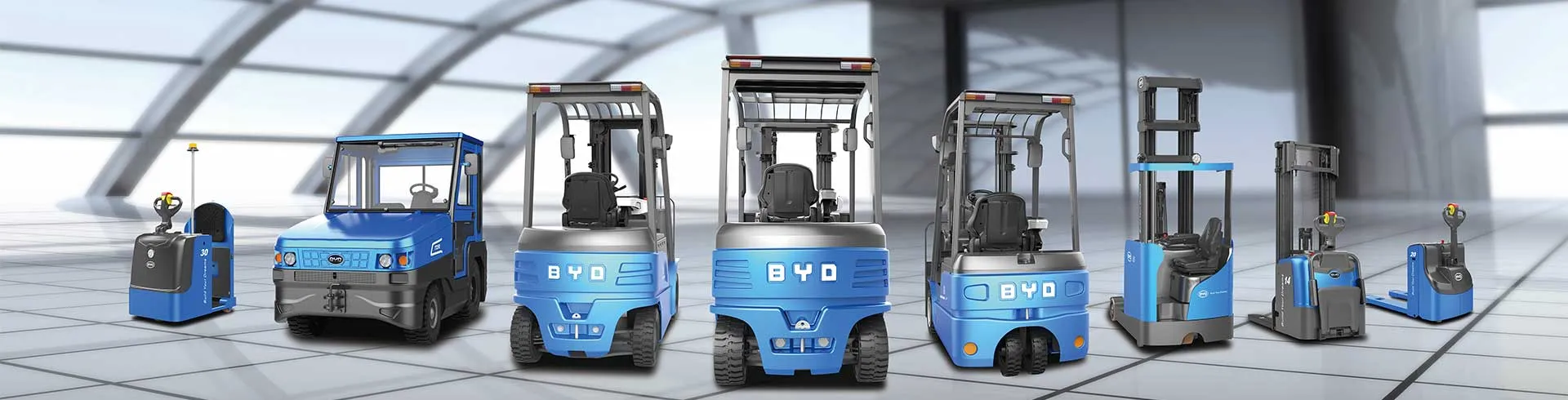
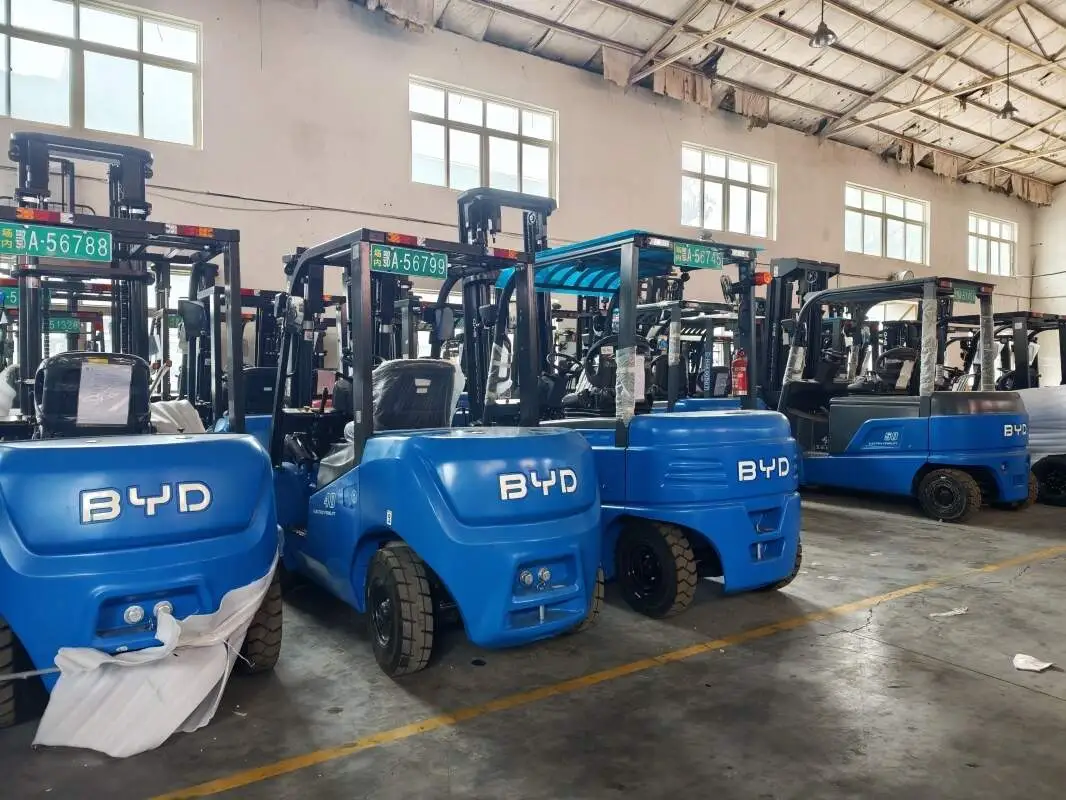
Electric forklifts are widely used across ASEAN markets, where safety standards vary by country. Understanding the differences between SNI (Indonesia), TISI (Thailand), and SIRIM (Malaysia) is essential for manufacturers, importers, and fleet operators to ensure legal compliance and workplace safety.
SNI, the Indonesian National Standard, applies to electric forklifts sold or operated in Indonesia. It focuses on structural integrity, electrical safety, battery protection, and braking performance. Products must be tested by accredited local labs and obtain certification before market entry. Non-compliance can lead to import restrictions or penalties.
TISI stands for Thai Industrial Standards Institute. For electric forklifts imported into Thailand, TISI certification covers electrical systems, overload protection, stability, and operator protection. The standard requires factory audits and ongoing surveillance testing. TISI marks must be clearly displayed on each unit.
SIRIM is the Malaysian standard governed by SIRIM Berhad. Electric forklifts must meet requirements for electrical insulation, control systems, noise levels, and emergency stop functions. Certification involves product testing and quality assurance audits. Malaysian authorities may conduct random market checks to verify compliance.
While these three standards share common safety principles—like battery safety, emergency stops, and load stability—they differ in specific testing procedures, documentation needs, and certification validity periods. For example, SNI often demands in-country testing, while TISI and SIRIM accept some international test reports under mutual recognition agreements.
Choosing a forklift that meets all three standards reduces cross-border barriers and simplifies fleet management. For reliable electric forklifts compliant with ASEAN regulations, consider solutions from Jianshu New Energy, which integrates advanced battery technology from BYD Forklift to deliver safe, efficient equipment. For inquiries, contact us at 17399989919@163.com. Always verify current certification requirements with local authorities, as standards may be updated periodically.


