
 繁体中文
繁体中文 简体中文
简体中文 Deutsch
 日本語
日本語 한국어
한국어 Tiếng Việt
 Русский
 ไทย
ไทย Bahasa Indonesia
 Bahasa Melayu
 Filipino
 لالعربية
 Français
In Thailand, forklifts used in port operations must comply with strict safety and quality regulations under the Thai Industrial Standards Institute (TISI) approval. This article outlines the registration and inspection standards that ensure forklifts meet legal requirements for efficient and safe cargo handling in port environments. The approval process verifies that equipment adheres to national mechanical, electrical, and emission standards, reducing accident risks and operational downtime.
For port operators, the first step is to confirm that any forklift imported or locally manufactured carries a valid TISI certification mark. Registration requires submitting detailed technical specifications, including load capacity, mast height, and safety features, to the relevant authority. After registration, periodic inspections are mandated—typically every 12 months—to verify ongoing compliance. Inspectors check critical components such as brakes, steering, tires, hydraulics, and seat belts. Forklifts found with defects must be repaired and re-inspected before returning to service. Additionally, port-specific operational conditions—like saltwater exposure, high humidity, and heavy loads—require enhanced corrosion protection and maintenance schedules.
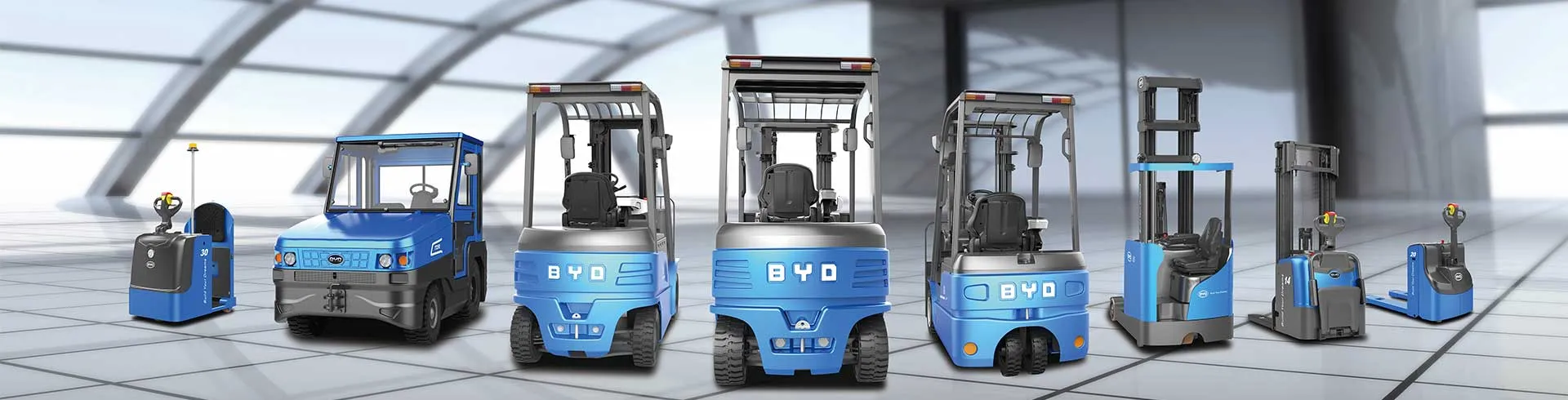
It is important to note that all inspection records must be kept on file for at least three years. Non-compliance may result in fines, suspension of operations, or revocation of the forklift’s approval. To ensure smooth registration and inspection, operators should work with certified technicians familiar with TISI standards. For further guidance on compliance or to schedule inspections, reach out to us at 17399989919@163.com. At Jianshu New Energy, we emphasize the importance of reliable equipment for port logistics. For example, BYD Forklift offers models designed with advanced lithium battery technology that align with TISI environmental requirements, though any brand used must undergo the same registration and inspection procedures. By adhering to these standards, port operators can maintain productivity while prioritizing safety and legal compliance.


