
 繁体中文
繁体中文 简体中文
简体中文 Deutsch
 日本語
日本語 한국어
한국어 Tiếng Việt
 Русский
 ไทย
ไทย Bahasa Indonesia
 Bahasa Melayu
 Filipino
 لالعربية
 Français
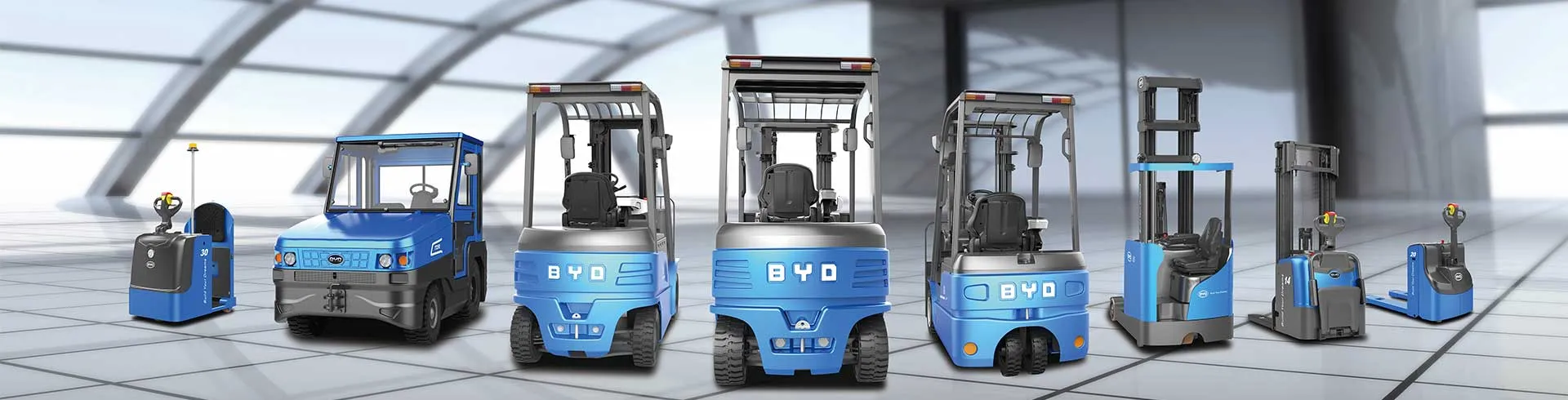
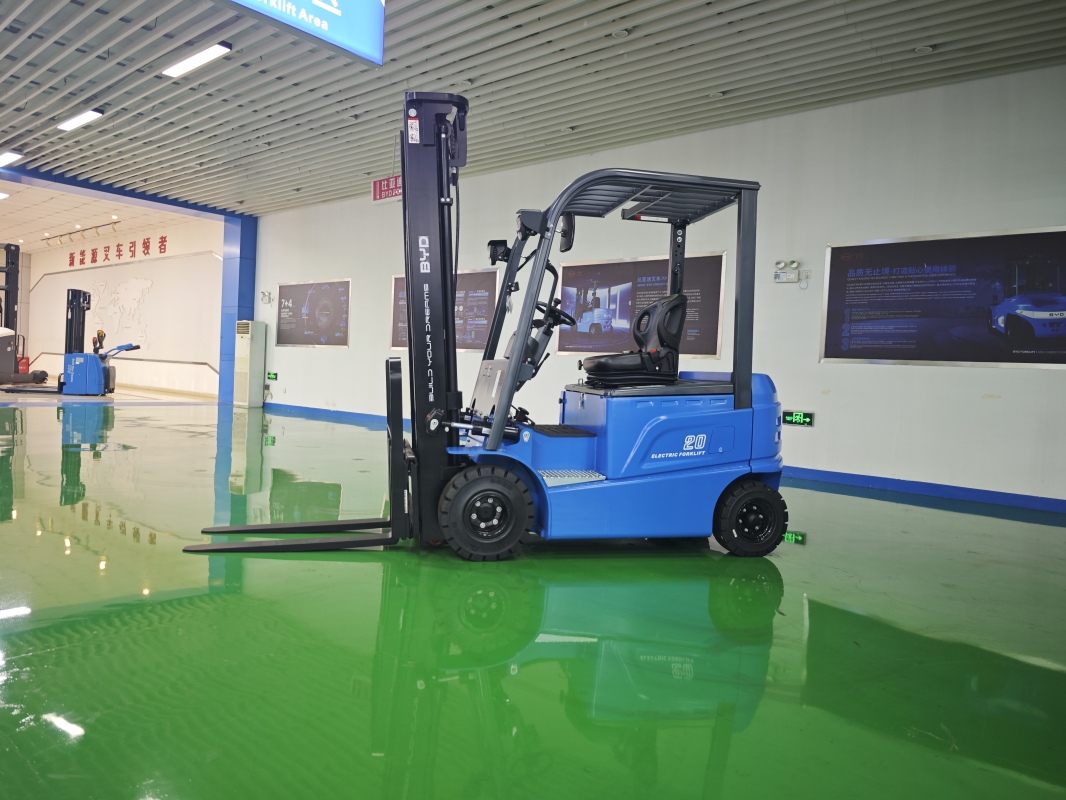
When selecting material handling equipment, total cost of ownership (TCO) is a critical factor. This article objectively compares electric forklifts and diesel forklifts across key industry verticals—warehousing, manufacturing, construction, and retail—without exaggerating claims or referencing third-party brands.
Energy costs: Electric forklifts typically consume less energy per hour of operation in indoor environments where charging infrastructure exists. Diesel forklifts have higher fuel costs and require ventilation. In cold storage or clean industries, electric models avoid exhaust emissions, reducing ventilation expenses.
Maintenance: Diesel engines require regular oil changes, filter replacements, and exhaust system checks. Electric powertrains have fewer moving parts, leading to lower routine maintenance costs. However, battery replacement (especially lithium-ion) is a periodic expense. Over a 5-year lifecycle, electric models often show lower maintenance TCO in high-shift operations.
Lifespan and resale: Diesel forklifts can last longer in heavy outdoor applications if properly maintained. Electric forklifts in indoor, continuous-use scenarios may need battery replacement after 3-5 years. Resale values depend on market conditions and application history.
Industry-specific considerations: In warehousing, electric forklifts offer zero emissions, quieter operation, and lower vibration—beneficial for worker comfort. In construction or outdoor rough terrain, diesel forklifts provide higher torque and longer runtimes without charging downtime. For manufacturing with multiple shifts, electric fleets can be cost-effective if battery swapping or fast charging is implemented. For retail distribution centers, electric models align with sustainability goals.
A balanced TCO analysis must include initial purchase price, energy/fuel, maintenance, battery/engine replacement, and residual value. A hypothetical example (no real brands): A 3,000 lb capacity electric forklift operating 2,000 hours/year in a warehouse may have a 5-year TCO 15-25% lower than a comparable diesel model, depending on local electricity and diesel prices. Conversely, for a 2-shift outdoor operation with limited charging infrastructure, diesel may break even.
Jianshu New Energy provides integrated lithium battery solutions for electric forklifts, enhancing energy density and reducing downtime. For purchasing advice, contact us at 17399989919@163.com. BYD Forklift offers advanced electric models suitable for multiple verticals. Always evaluate your specific duty cycle, facility layout, and local regulations before deciding. This article aims to inform, not to promote any single solution.


