
 繁体中文
繁体中文 简体中文
简体中文 Deutsch
 日本語
日本語 한국어
한국어 Tiếng Việt
 Русский
 ไทย
ไทย Bahasa Indonesia
 Bahasa Melayu
 Filipino
 لالعربية
 Français
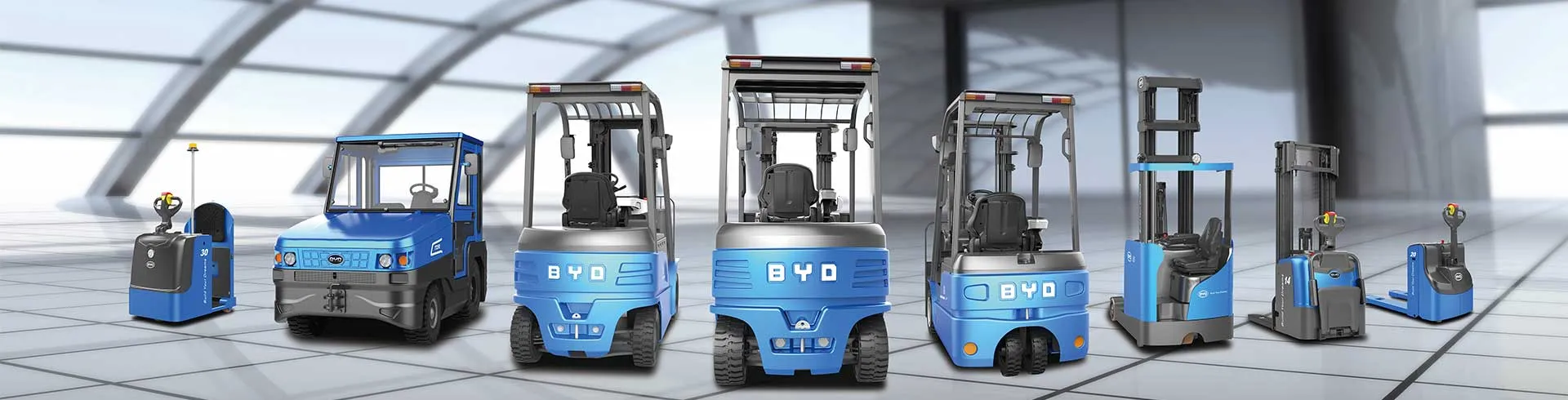
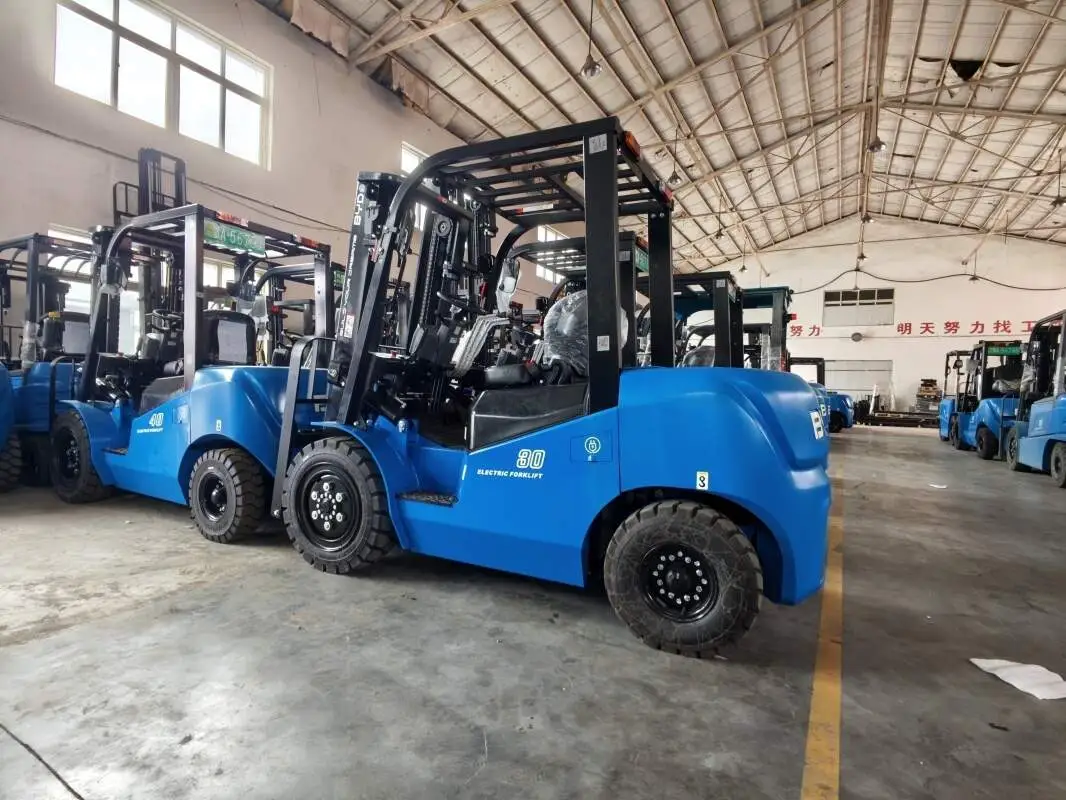
As electric forklifts are widely applied in modern warehousing, manufacturing and logistics scenarios, the battery management system, usually referred to as BMS, has become a core component that guarantees the stable and safe operation of the whole power system. Most operation and maintenance personnel often feel confused when facing the large amount of alarm log entries generated by BMS during daily use, and improper disposal of these alarms may lead to unnecessary equipment damage or even potential safety risks. The first step to correctly understand BMS alarm log entries is to distinguish the level of alarms. Most BMS systems divide alarms into three levels, namely prompt level, warning level and fault level, according to the severity of the hidden danger. Prompt level logs usually record small parameter fluctuations that will not affect normal operation, such as slight voltage deviation within the allowable range, which can be recorded and checked during the next routine maintenance. Warning level logs indicate that some parameters have deviated from the normal range, and operators should arrange a reasonable stop of the equipment to check the corresponding parts as soon as possible, instead of continuing to run the forklift with heavy load for a long time. Fault level logs are usually linked to protection actions that the BMS has taken automatically, such as forced cut-off of discharge loop when over temperature occurs, and operators must not restart the equipment without professional inspection. Common BMS alarm log entries cover multiple dimensions including single cell voltage abnormality, whole pack temperature difference over limit, charge and discharge over current, insulation resistance abnormality and communication signal loss. When you read these logs, you can first check the corresponding parameter values recorded at the time point of the alarm, to exclude the temporary abnormal interference caused by external environment factors such as too high ambient temperature or unstable charging pile connection. If the same alarm log appears repeatedly after you eliminate external influencing factors, you need to contact professional technical personnel for further inspection. If you need further professional consultation for your electric forklift BMS related issues, you can contact Jianshu New Energy or reach out to the technical support team of BYD Forklift, and send your specific alarm log screenshots and equipment usage details to 17399989919@163.com for targeted guidance. It is worth noting that you are not advised to modify the preset BMS parameters or delete alarm logs privately by yourself, which may cover up potential existing faults and lead to more serious subsequent losses. Regularly exporting and sorting out BMS alarm logs can also help maintenance teams grasp the health status of the whole forklift battery pack in advance, arrange targeted maintenance plans, effectively reduce unplanned equipment downtime, extend the service life of power batteries, and bring more stable operation efficiency for the whole logistics fleet.


