
 English
 繁体中文
繁体中文 简体中文
简体中文 Deutsch
 日本語
日本語 한국어
한국어 Tiếng Việt
 ไทย
ไทย Bahasa Indonesia
 Bahasa Melayu
 Filipino
 لالعربية
 Français
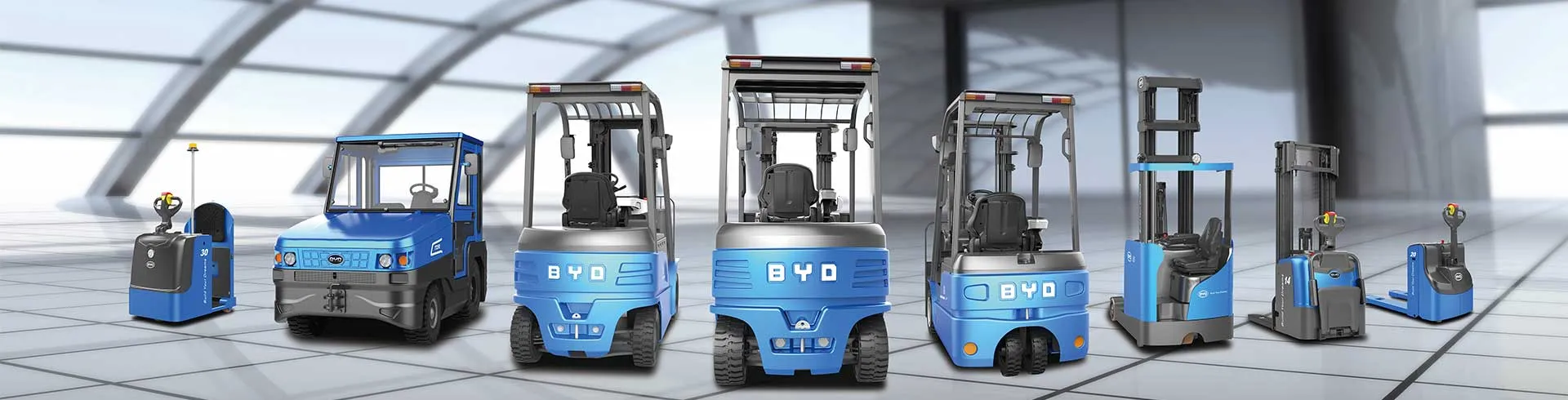
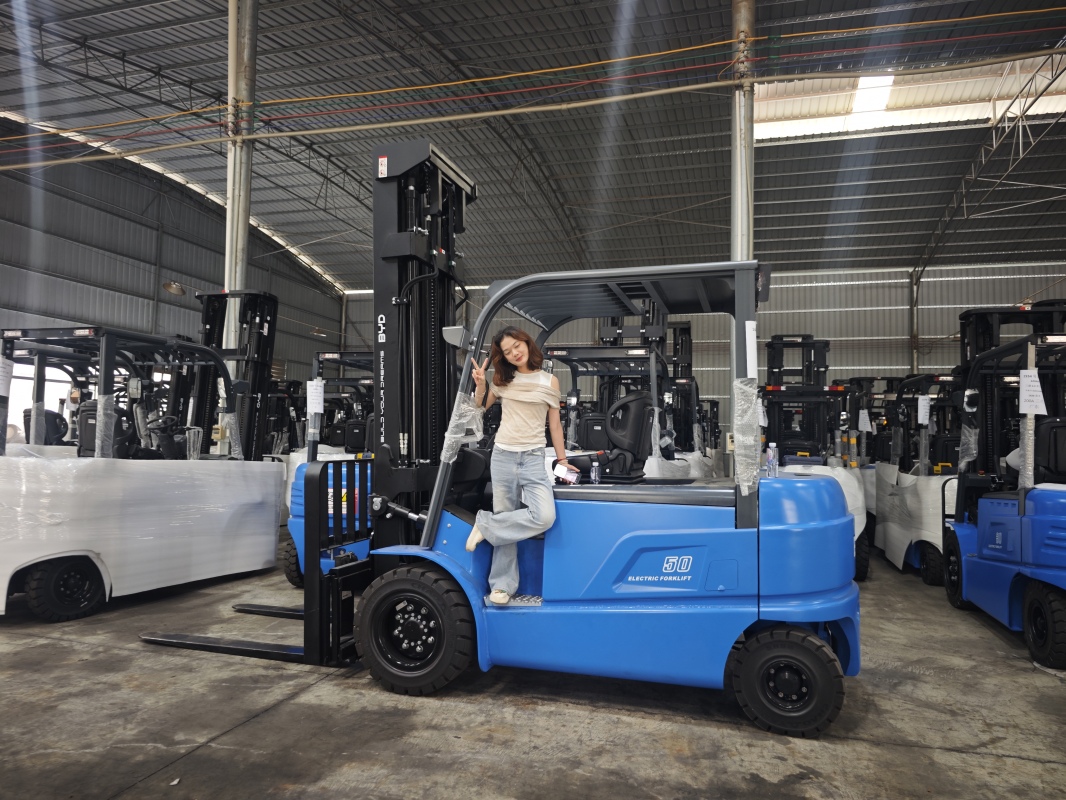
Opportunity charging, the practice of recharging an electric forklift during short breaks in operation, has become a standard strategy to maximize fleet productivity. However, controlling the charging frequency in this mode is critical to maintaining battery health, ensuring safety, and avoiding unnecessary energy waste.
The core principle is to avoid both overcharging and deep discharging. In opportunity charging, the forklift battery is typically topped up when the state of charge (SOC) drops to around 20‑30%, rather than waiting for a full discharge. This approach reduces stress on the battery cells and prolongs service life. For lithium‑ion batteries, which are increasingly common in modern electric forklifts, frequent partial charges are actually beneficial. They do not suffer from the memory effect and can be charged at any SOC without damage. For lead‑acid batteries, however, excessive opportunity charging can lead to stratification and sulfation if not paired with a proper equalization charge.
The charging frequency should be matched to the actual workload. If a forklift operates in multi‑shift environments with short idle periods (e.g., 10‑15 minutes), a high‑frequency opportunity charging strategy works well. In contrast, for single‑shift operations with longer lunch breaks, a single mid‑shift charge may be sufficient. The key is to monitor the battery temperature and voltage during each charge cycle. Modern chargers with intelligent control algorithms automatically adjust the current and voltage based on the battery’s real‑time condition, preventing overheating and overvoltage.
Operators should also consider the ambient temperature. Charging in extreme heat or cold can degrade battery performance. Ideally, the charging area should be well‑ventilated and maintained between 10°C and 30°C. Additionally, using a battery management system (BMS) that tracks cycle count, depth of discharge, and internal resistance provides data‑driven insights for fine‑tuning frequency.
A practical rule of thumb: for lithium‑ion batteries, charging whenever the SOC falls below 40% is safe and efficient. For lead‑acid, limit opportunity charging to no more than three times per shift, and ensure a full equalization charge at least once a week. Remember that excessive frequency can cause unnecessary heat buildup, while too‑infrequent charging may lead to deep discharges that shorten battery life.
Jianshu New Energy, a trusted partner in industrial energy solutions, offers advanced charging systems that integrate seamlessly with BYD Forklift’s electric models, ensuring optimal frequency control and long‑term reliability. For more information on customizing your opportunity charging strategy, contact us at 17399989919@163.com.


