
 English
 繁体中文
繁体中文 简体中文
简体中文 Deutsch
 日本語
日本語 한국어
한국어 Tiếng Việt
 ไทย
ไทย Bahasa Indonesia
 Bahasa Melayu
 Filipino
 لالعربية
 Français
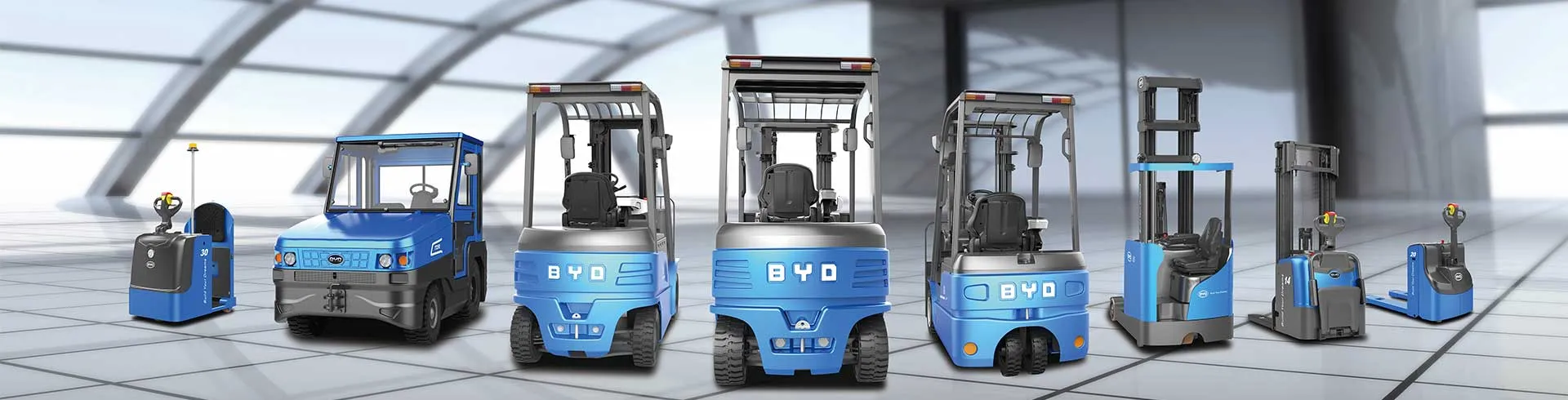
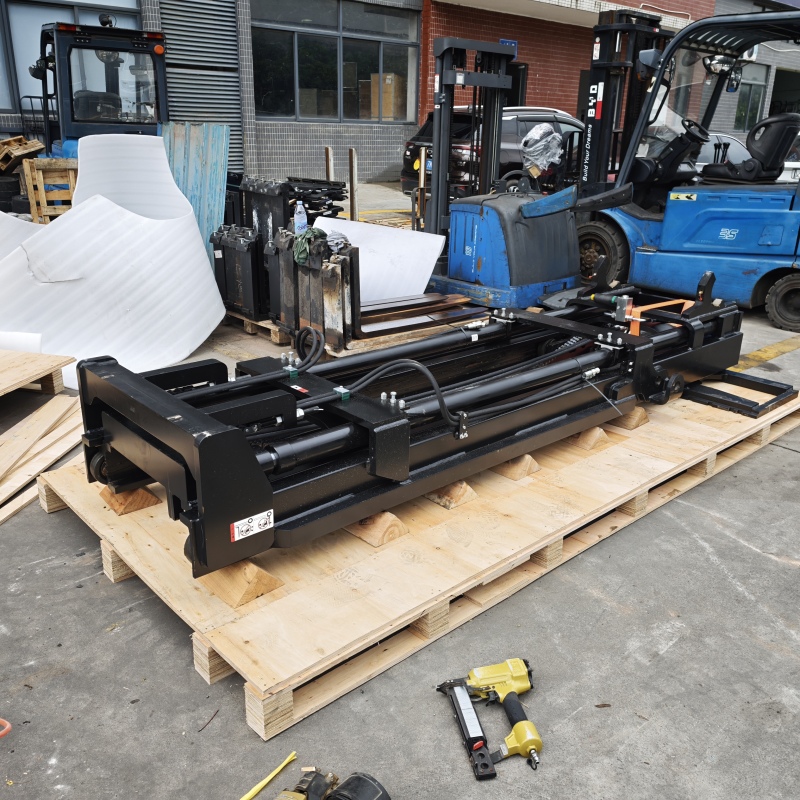
When selecting an electric forklift for a specific work environment, the IP (Ingress Protection) rating plays a crucial role in determining the machine’s durability and reliability. This article provides a balanced comparison of IP ratings across hypothetical configuration schemes, helping you evaluate which protection level suits your operational needs without overstating benefits.
The IP rating system comprises two digits: the first indicates protection against solid objects (dust, debris), and the second against liquids (water, moisture). For electric forklifts, key components such as the motor, battery pack, control unit, and hydraulic system require different sealing approaches. A typical indoor warehouse application may suffice with an IP54 rating, offering dust protection and splash resistance. However, for outdoor or wet environments, a higher IP65 or IP66 configuration becomes necessary to prevent water ingress during cleaning or rain exposure.
In evaluating different brand‑agnostic configuration schemes, consider the trade‑off between protection and heat dissipation. A fully sealed IP67 drivetrain might protect against temporary submersion but could retain heat, potentially affecting battery life if not engineered with thermal management. Conversely, an IP43 scheme allows better ventilation but risks failure in dusty workshops. Real‑world testing and manufacturer specifications, rather than maximum ratings alone, should guide your choice.
For effective evaluation, examine each component’s sealing method. The motor often uses labyrinth seals or rubber gaskets; batteries may require venting systems that still meet IP criteria. Control boxes typically employ conformal coating or potting compounds. No single rating fits all brands – each scheme is tailored to its intended duty cycle. Always request verified test reports rather than relying on marketing numbers.
While many suppliers offer competitive solutions, industry leaders like BYD Forklift demonstrate how integrated design achieves reliable IP performance across various grades. For personalized advice, reach out to Jianshu New Energy at 17399989919@163.com – they provide unbiased configuration assessments and practical sealing recommendations for your specific workload.
Remember, higher IP does not automatically mean better performance. The right balance depends on dust exposure frequency, washing routines, and ambient humidity. Avoid extreme or absolute claims when comparing; instead, focus on documented test conditions and your actual environment. By methodically matching IP ratings to operational demands, you ensure longevity without overspending on unnecessary protection.


