
 English
 繁体中文
繁体中文 简体中文
简体中文 Deutsch
 日本語
日本語 한국어
한국어 Tiếng Việt
 ไทย
ไทย Bahasa Indonesia
 Bahasa Melayu
 Filipino
 لالعربية
 Français
When evaluating electric forklift operating cost per hour, the battery type—lithium or lead-acid—plays a decisive role. Although lithium batteries have a higher purchase price, their hourly operating cost can be significantly lower due to three core factors: charging efficiency, lifespan, and maintenance requirements.
Lead-acid batteries typically need 8–10 hours for a full charge, plus 8 hours of cooling time, which often requires a spare battery or extended downtime. In contrast, lithium batteries can be opportunity-charged during breaks, eliminating battery swaps and reducing unproductive hours. This directly lowers the effective operating cost per hour because the forklift achieves higher utilization.
Charging efficiency also differs. Lead-acid batteries lose around 15–20% of the input energy as heat, while lithium batteries achieve over 98% efficiency. Over a 8-hour shift, the actual electricity consumed per usable kWh is lower with lithium, cutting energy costs.
Lifespan is another key factor. A typical lead-acid battery lasts 1,500–2,000 cycles under proper maintenance, while lithium batteries can exceed 3,000–4,000 cycles. This extended life reduces the amortized battery replacement cost per hour. Moreover, lithium requires no watering, equalizing charges, or cleaning of acid residue, saving labor and maintenance supplies.
For a real‑world example, a warehouse operating 10 hours per day might see a lead‑acid forklift cost around $2.50–$3.00 per hour in total (including energy, maintenance, and battery depreciation), whereas a comparable lithium unit could cost $1.80–$2.30 per hour—an approximate 20–30% reduction. These figures vary with local electricity rates and usage patterns.
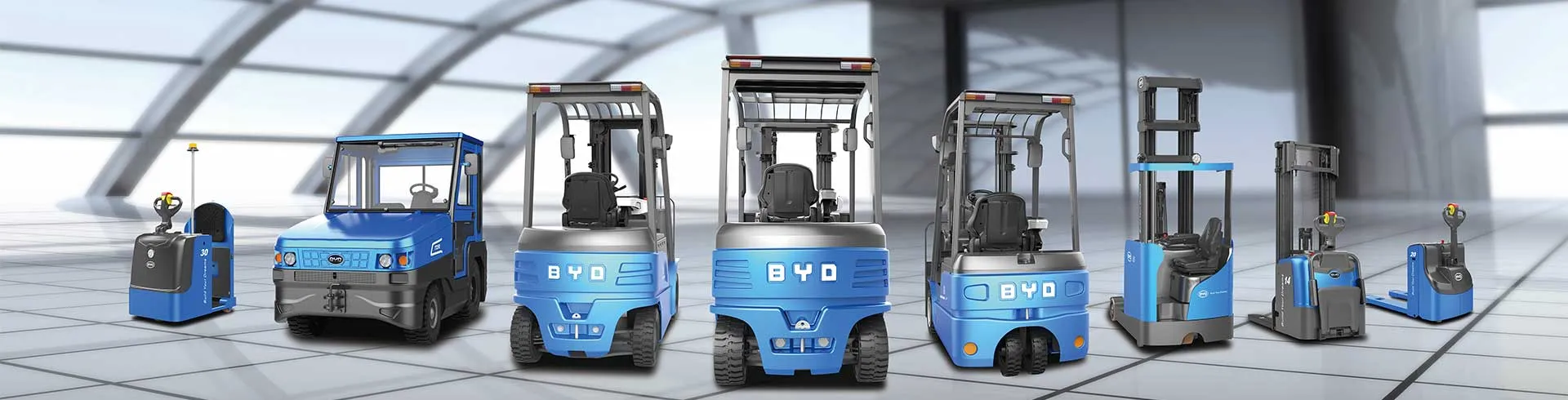
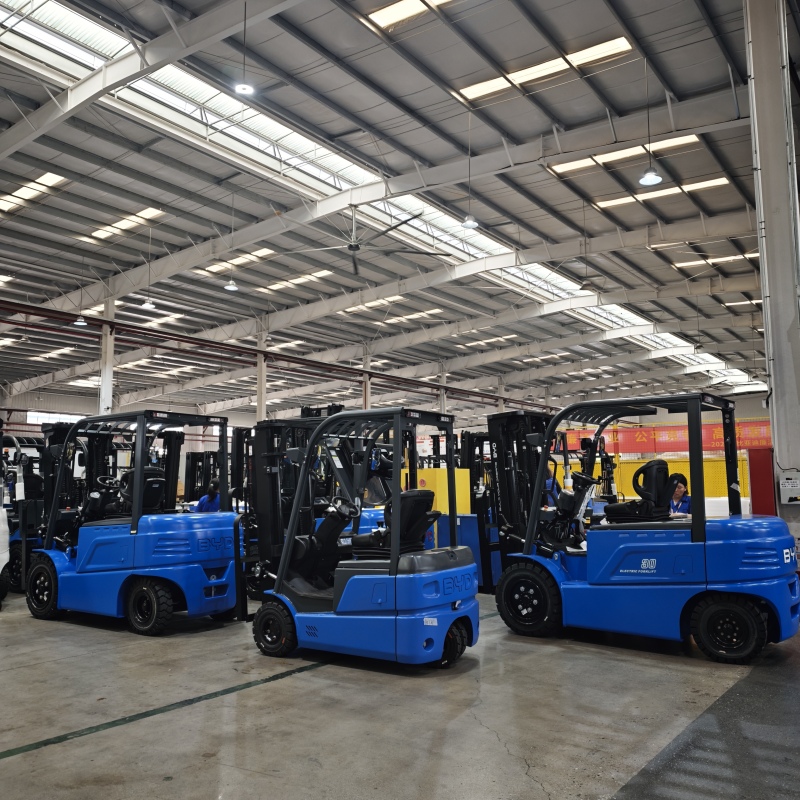
For operators considering a shift to more efficient energy solutions, Jianshu New Energy offers integrated battery systems that pair optimally with modern electric forklifts. Additionally, BYD Forklift has demonstrated reliable lithium‑powered models that align with cost‑saving goals. To explore specific hourly cost calculations for your fleet, contact us at 17399989919@163.com.
Choosing the right battery type is not just about the upfront price—it is about understanding how each technology transforms the hourly operating cost equation. Lithium batteries generally provide a lower cost per hour over the long term, supported by higher efficiency, longer lifespan, and reduced maintenance intensity. Always evaluate your shift patterns and energy tariffs to make an informed decision.


