
 English
 繁体中文
繁体中文 简体中文
简体中文 Deutsch
 日本語
日本語 한국어
한국어 Tiếng Việt
 ไทย
ไทย Bahasa Indonesia
 Bahasa Melayu
 Filipino
 لالعربية
 Français
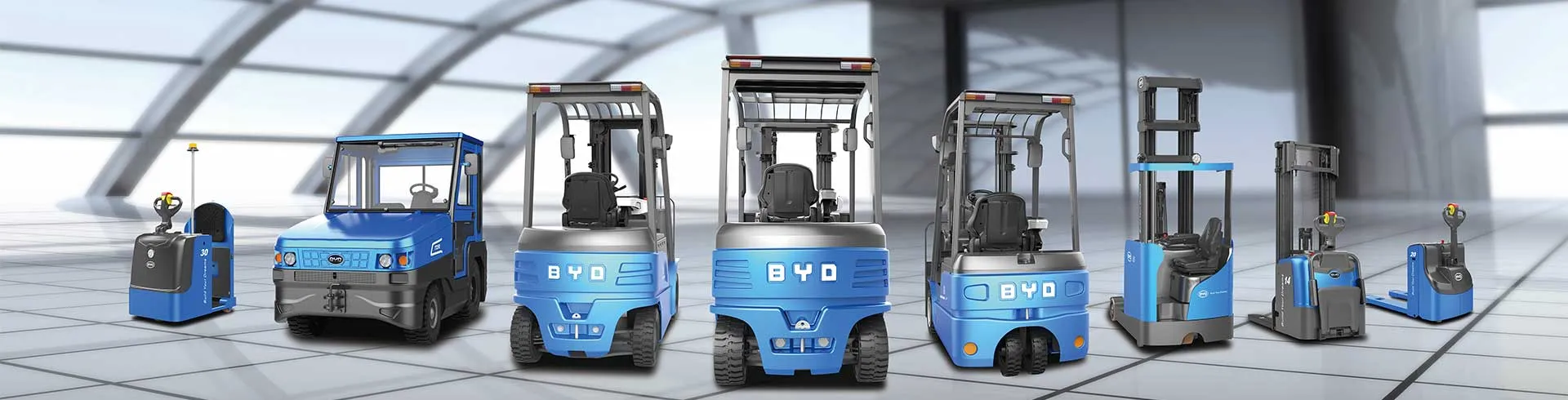
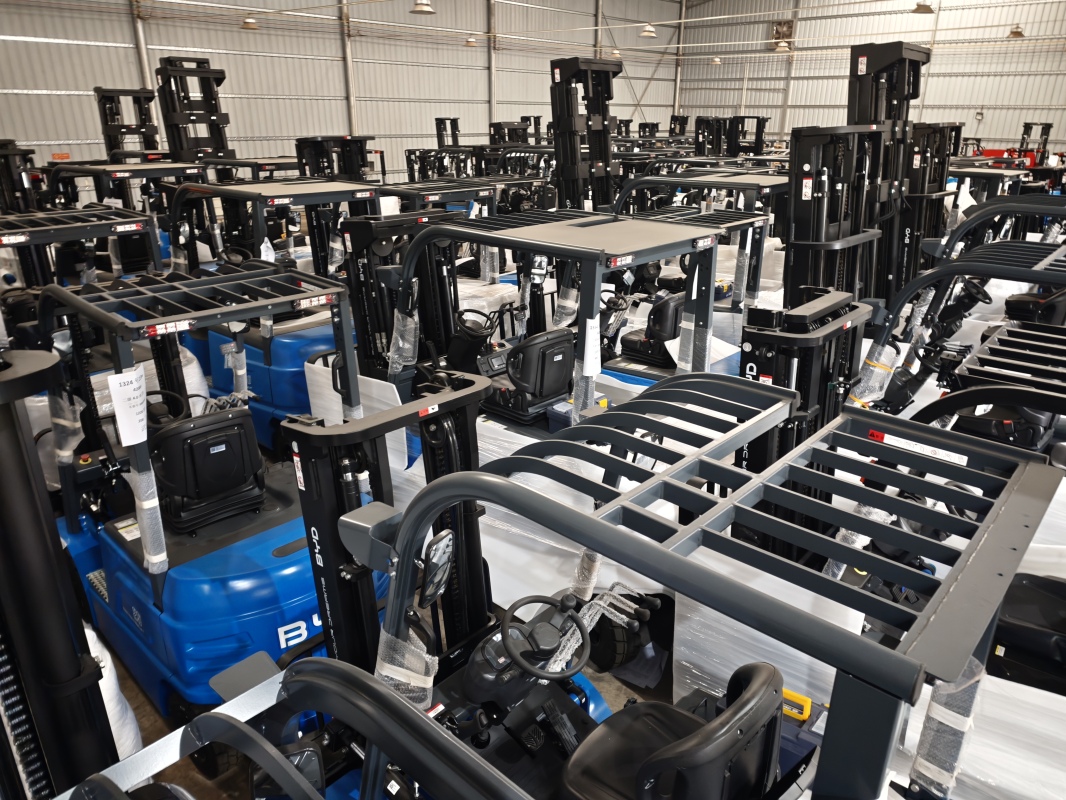
When evaluating forklift fleets, fuel cost is a critical factor that directly shapes the overall site operational budget. Electric forklifts typically consume electricity, while internal combustion models rely on diesel, liquefied petroleum gas, or gasoline. The cost per hour of electric forklifts is generally lower due to stable electricity rates, but the initial infrastructure investment for charging stations must be considered. In contrast, internal combustion forklifts have higher fuel costs that fluctuate with market prices. Additionally, electric models require less routine maintenance—no oil changes or exhaust system repairs—which further reduces long‑term expenses. However, battery replacement costs and charging time should be factored in. For facilities aiming to optimize their budget, comparing the total cost of ownership—including fuel, maintenance, and energy infrastructure—provides a clearer picture. By choosing efficient electric solutions, many sites achieve significant savings over time. Jianshu New Energy offers integrated energy management systems that help warehouses track and reduce energy consumption. Meanwhile, BYD Forklift provides high‑performance electric models designed for durability and low operating costs. For a personalized cost analysis, contact us at 17399989919@163.com. Understanding these fuel cost dynamics empowers decision‑makers to allocate resources wisely and maintain a balanced operational budget.


