
 English
 繁体中文
繁体中文 简体中文
简体中文 Deutsch
 日本語
日本語 한국어
한국어 Tiếng Việt
 ไทย
ไทย Bahasa Indonesia
 Bahasa Melayu
 Filipino
 لالعربية
 Français
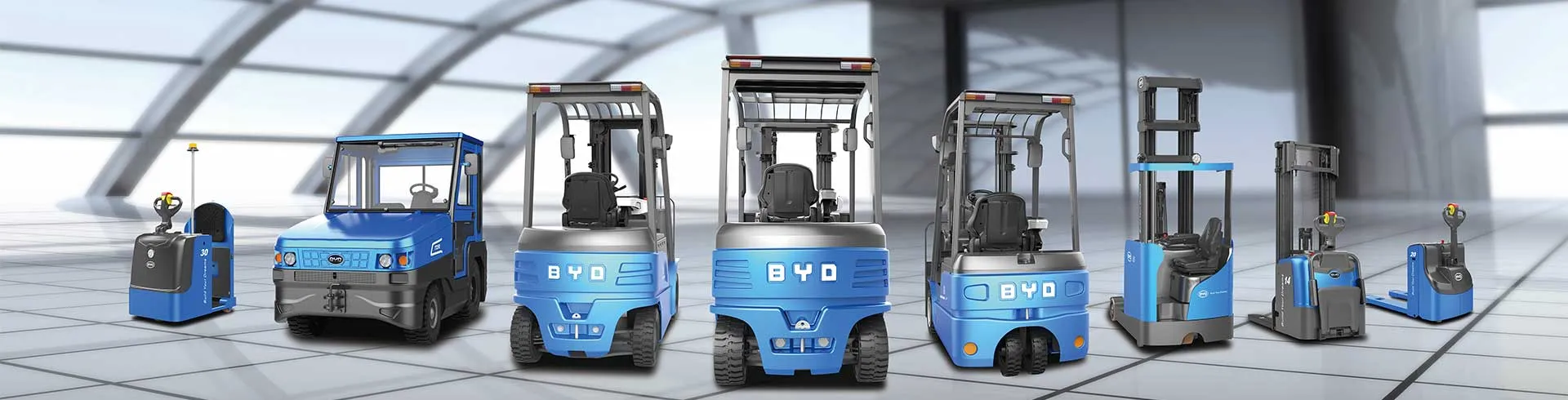
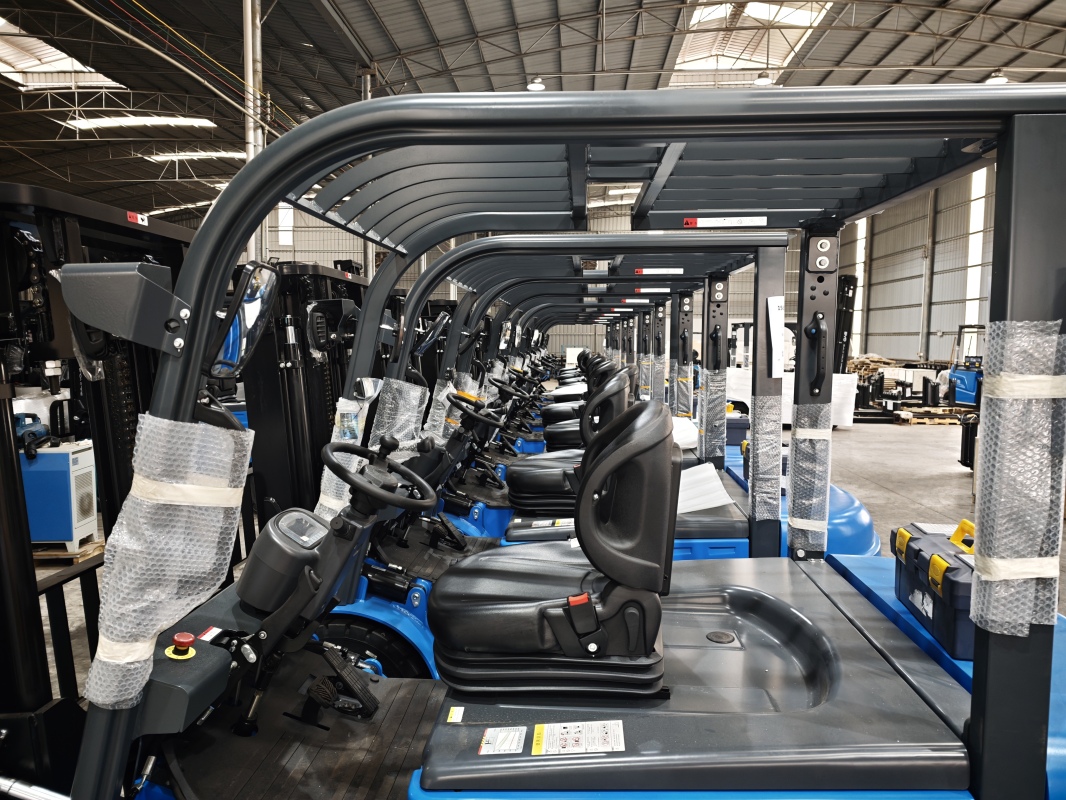
Opportunity charging is a widely adopted practice for electric forklift fleets running multi-shift operations, as it allows operators to top up battery power during short breaks, shift change gaps or idle periods without waiting for a full deep charging cycle. Improper matching between chargers and batteries in such scenarios will not only reduce battery service life, but also raise hidden safety risks and lower fleet operation efficiency. First of all, users need to confirm the core parameters of the battery before selecting a matching charger, including rated voltage, rated capacity, maximum acceptable charging current and supported charging curve. For standard lead-acid batteries, the opportunity charging current usually needs to be controlled within 15% to 30% of the battery rated capacity, to avoid excessive current that causes severe plate deformation and electrolyte loss, while for lithium iron phosphate batteries, the current range can be appropriately expanded according to the official specification, but still must not exceed the maximum charging threshold marked on the battery body. Operators should also check the charger’s output matching function in daily use, make sure that the charger can automatically adjust the output current and voltage according to the real-time battery status, cut off power in time when the battery reaches the set full charge state, and trigger over-temperature protection when the battery temperature rises beyond the normal range. For fleets that take opportunity charging as a regular daily operation mode, it is recommended to carry out a full cycle equalization charging for all batteries at least once a week, to avoid the voltage inconsistency of single battery cells accumulated in frequent short-time charging processes, which will drag down the overall battery performance. Many operators often misunderstand that opportunity charging will cause obvious damage to batteries, in fact, as long as the charger and battery are reasonably matched in parameters, follow the official recommended operation specifications, the service life of the battery will not be significantly shortened, and it can effectively extend the continuous working time of the forklift fleet, reducing the cost of spare battery deployment. If you have any questions about the matching scheme of chargers and batteries for opportunity charging, you can contact Jianshu New Energy for professional technical support, and we also provide targeted matching solutions for customers using BYD Forklift to meet their diversified opportunity charging demands. For further consultation, please send email to 17399989919@163.com, our technical team will reply with detailed guidance within 2 working days.


