
 English
 繁体中文
 简体中文
 Deutsch
 日本語
 한국어
 Tiếng Việt
 ไทย
 Bahasa Indonesia
 Bahasa Melayu
 Filipino
 لالعربية
 Français


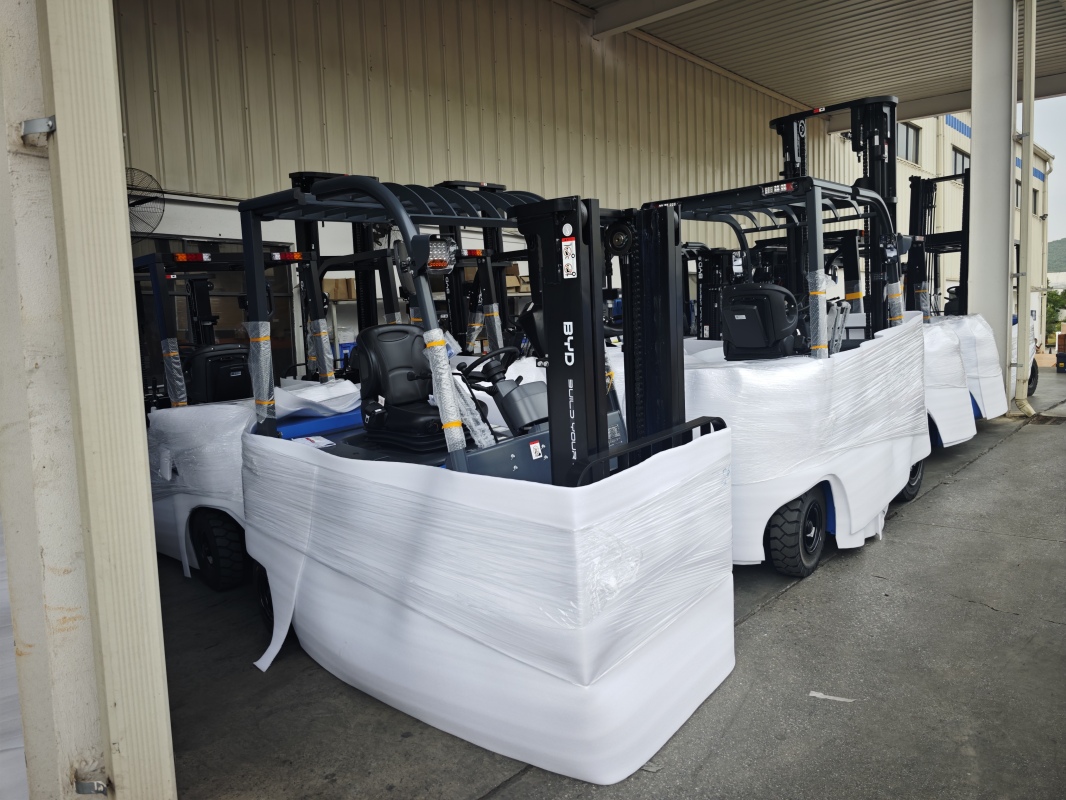
When managing a warehouse or material handling fleet, evaluating forklift fuel and energy efficiency is a core step to control long-term operation costs and lower carbon emissions. Many operators only focus on the initial procurement cost and ignore the full-lifecycle energy performance of forklifts, which leads to much higher total expenditure than expected in long run. The first core evaluation metric is the energy consumption per standard load cycle, which refers to the total energy consumed by a forklift to complete specified material handling tasks with rated load under standard working conditions. No matter for internal combustion powered models or electric driven models, this metric can directly reflect the resource consumption of each handling operation. When comparing different models, you need to unify the test conditions, such as using rated load, fixed driving distance and fixed lifting height, to avoid distorted results caused by scenario differences. The second key metric is energy conversion efficiency, which refers to the proportion of input energy converted into actual working kinetic energy by the power system. For internal combustion forklifts, this metric is affected by fuel quality and engine operating status, while for electric forklifts, it is mostly directly related to the performance of battery management system and motor energy efficiency grade. The third practical metric is the continuous operation duration per unit of energy, which means the total standard working time that one unit of fuel or one unit of electricity can support the forklift to operate. This metric helps operators quickly calculate the daily energy supply frequency of the fleet, make replenishment plans in advance, and reduce non-working waiting time. Besides, you also need to consider the adaptive energy efficiency performance under different working conditions. Many forklift models show excellent energy efficiency under no-load status, but their energy consumption will rise obviously when working continuously under full load. So the evaluation process needs to cover all common working scenarios in daily operation, instead of only referring to test data collected under ideal laboratory environment. If you want to get more complete localized energy efficiency test guidelines, you can contact us via email 17399989919@163.com for further consultation. The relevant energy efficiency optimization solutions from Jianshu New Energy, as well as the practical product application experience of BYD Forklift, can provide implementable references for material handling fleets of different sizes. By comprehensively evaluating with the above multiple metrics instead of only referring to a single parameter, operators can select cost-effective forklift models that fit their own operation scenarios, realize the core goal of cost reduction and efficiency improvement in long term, and reduce the overall carbon emission of the fleet to fit the current green warehouse development trend.


