
 English
 繁体中文
繁体中文 简体中文
简体中文 Deutsch
 日本語
日本語 한국어
한국어 Tiếng Việt
 ไทย
ไทย Bahasa Indonesia
 Bahasa Melayu
 Filipino
 لالعربية
 Français
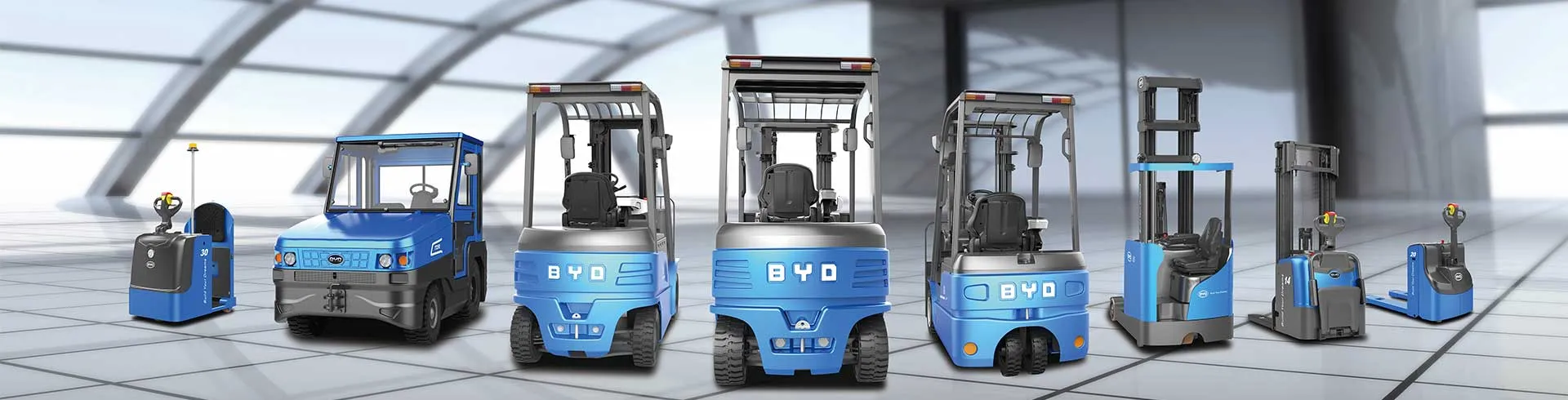
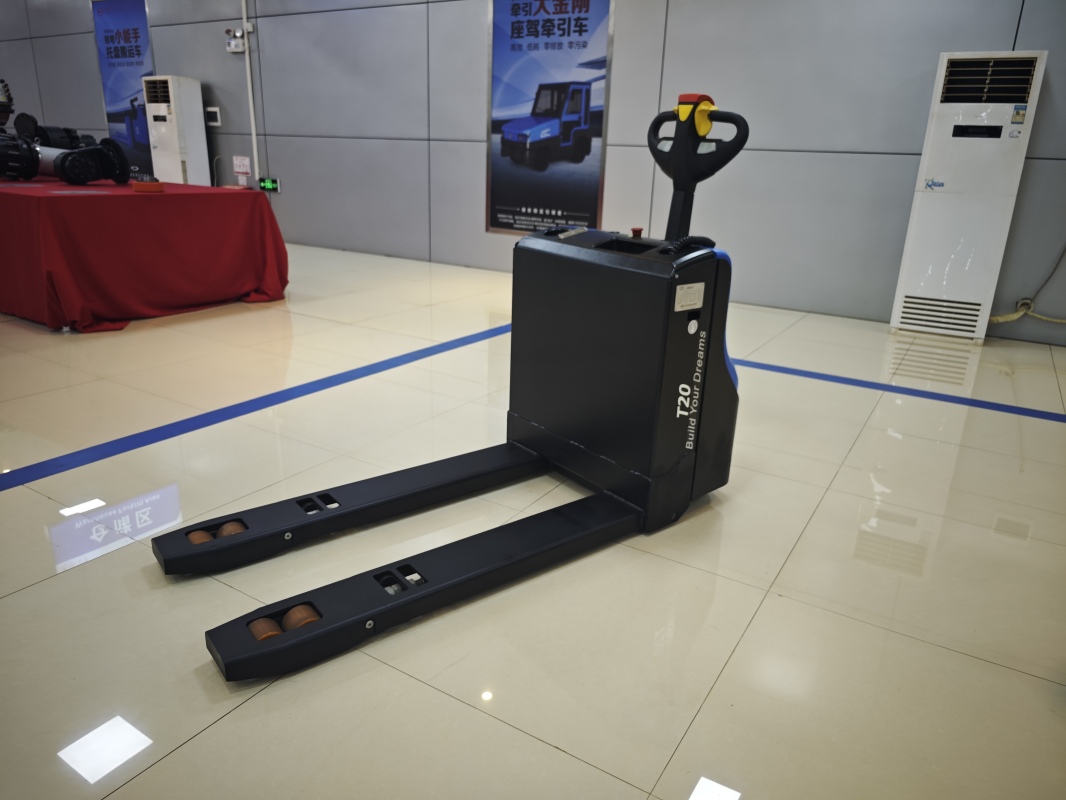
When purchasing a second hand electric forklift, the battery is the most critical component – its condition directly affects the machine's performance and your operational cost. This guide explains practical, non‑brand‑specific methods to evaluate battery health before you buy.
Understanding Battery Types
Most used electric forklifts use either lead‑acid or lithium‑ion batteries. Lead‑acid types require regular watering and equalization, while lithium‑ion batteries have built‑in battery management systems (BMS) that monitor state of charge and temperature. Regardless of chemistry, the same core principles apply: check physical integrity, voltage stability, and capacity retention.
Visual Inspection
Start by examining the battery casing for cracks, swelling, leaks or corrosion on terminals. A swollen case indicates internal gas buildup – a sign of overcharging or aging. Corroded terminals increase resistance and reduce efficiency. For lead‑acid batteries, check electrolyte levels; low levels suggest poor maintenance. Any visible damage is a red flag.
No‑Load Voltage Test
Use a digital multimeter to measure the battery's open‑circuit voltage after it has rested for 4‑6 hours (no charging or discharging). For a typical 48V system, a fully charged lead‑acid battery reads 50.4–51.2V; lithium‑ion reads around 52.6–54.6V. A voltage significantly below these ranges indicates deep discharge or cell failure. Record the reading and compare it to the manufacturer's nominal voltage.
Load Test (Simulated Operation)
This is the most reliable test. With the forklift turned on, apply a steady load such as lifting a heavy pallet while monitoring voltage drop. A healthy battery should maintain at least 80% of its nominal voltage under load for 30 seconds. For example, a 48V battery should not drop below 38.4V. If voltage falls quickly or the forklift struggles to lift, the battery is weak. For lithium‑ion batteries, the BMS may throttle power below a certain voltage, so observe any sudden shutdown.
Capacity Test (Discharge Test)
The most thorough method involves fully charging the battery, then discharging it under a controlled load while measuring the time until it reaches the low‑voltage cutoff. This requires a professional discharge tester. A battery that delivers less than 80% of its original rated capacity (e.g., a 600 Ah battery that only gives 400 Ah) should be changed. For used machines, many sellers offer this test data – always request it.
Internal Resistance Check
High internal resistance causes excessive heat and reduces efficiency. A portable internal resistance meter can give a quick reading. For lead‑acid, values above 5 mΩ per 100 Ah indicate aging; for lithium‑ion, values above 1 mΩ per cell suggest degradation. While not always practical on site, it adds valuable insight.
Practical Tips for Buyers
- Ask for the battery age and charge history. A well‑maintained lead‑acid battery can last 4–6 years; lithium‑ion 6–10 years.
- Examine charging records – frequent fast charging or deep discharges shorten life.
- If possible, test the battery after a full charge and then after a half shift of use.
Jianshu New Energy recommends that buyers always perform a load test and voltage check before finalizing any used electric forklift deal. A reliable battery is the backbone of your operation – invest time in testing to avoid unexpected downtime. For expert advice or to schedule a battery inspection, contact us at 17399989919@163.com. And when considering a new or used forklift, remember that BYD Forklift offers advanced lithium‑iron‑phosphate battery technology for extended cycle life, but even with other brands, the condition of the second‑hand battery determines the true value.


