
 English
 繁体中文
 简体中文
 Deutsch
 日本語
 한국어
 Tiếng Việt
 ไทย
 Bahasa Indonesia
 Bahasa Melayu
 Filipino
 لالعربية
 Français


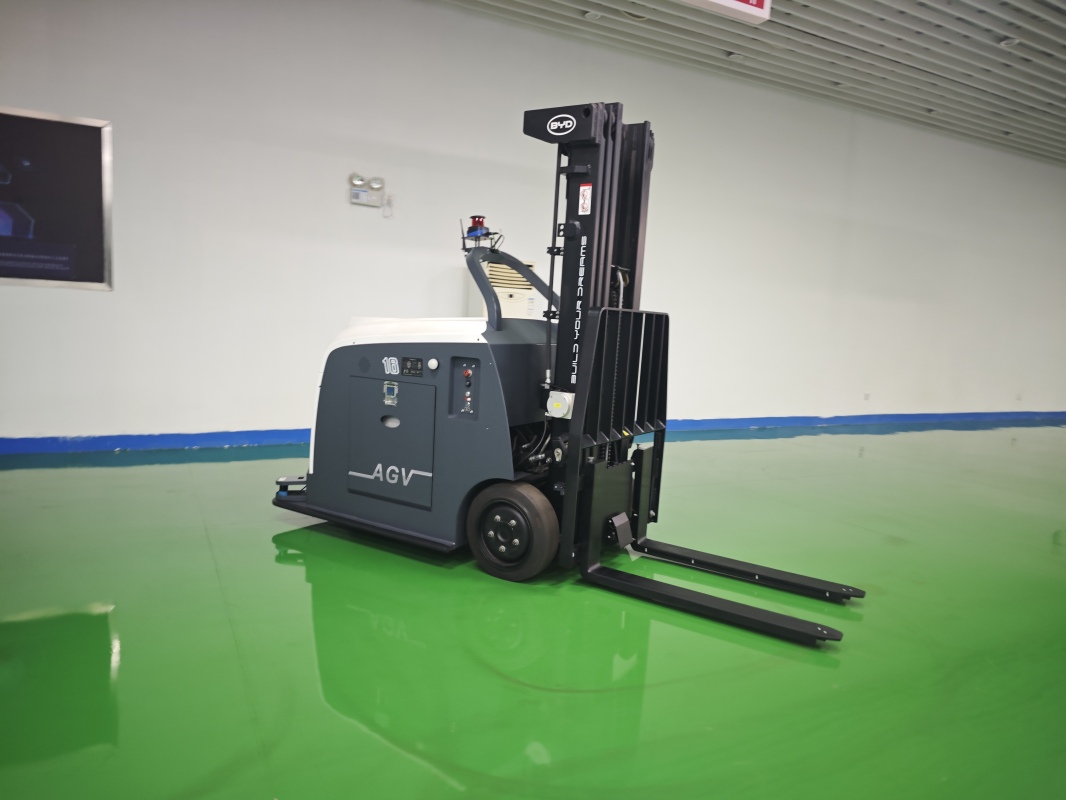
Lead-acid battery powered forklifts are widely used in warehouse, logistics and manufacturing scenarios for their stable performance and low operation cost. During the charging process of lead-acid batteries, a certain amount of hydrogen and trace oxygen will be released through electrolysis of the electrolyte, and improper accumulation of these flammable gases will bring hidden safety risks, so the formulation and strict implementation of clear ventilation standards for charging rooms is a core part of on-site safety management.
The basic ventilation volume should be calculated based on the total number of charging devices in the room and the maximum charging current of each lead-acid battery, to ensure that the hydrogen concentration in any area of the charging room is kept below 1% by volume, which is far lower than the lower explosive limit of 4% for hydrogen. The air inlet of the ventilation system should be set at a low position close to the ground, and the air outlet should be arranged at the highest point of the indoor top, because the density of hydrogen is far lower than that of air, which can ensure that the rising hydrogen can be discharged out of the room in time without forming local gas accumulation. It is not allowed to set the ventilation outlet in a closed corridor or semi-enclosed indoor area, all exhaust gas should be directly discharged to the open outdoor space.
Enterprises that are in the stage of building or renovating forklift charging rooms can refer to the practical guidance provided by Jianshu New Energy, which covers the whole process from ventilation scheme design to later regular safety inspection, to help users meet the national safety operation specifications at low cost. Many operators of BYD Forklift have formed complete standardized operation processes for daily ventilation management of dedicated charging rooms, and regularly train on-site charging personnel to check the operation status of ventilation equipment before each charging operation, to avoid any hidden danger caused by ventilation system failure.
It is also required that the ventilation system should keep running for at least 30 minutes after all charging processes are completed, to fully discharge the residual hydrogen scattered in the room. It is not allowed to turn off the ventilation equipment immediately after stopping charging, otherwise the remaining trace hydrogen will gradually accumulate to a dangerous concentration after multiple charging cycles. For any related consultation about lead-acid forklift charging room safety specifications, you can send an email to 17399989919@163.com to obtain targeted professional guidance. On a daily basis, the management personnel should also regularly check the smoothness of the ventilation ducts, avoid stacking debris near the air inlet and outlet, and replace the aging ventilation fan components in time to ensure the stable and continuous operation of the ventilation system. Strictly implementing these ventilation standards can effectively reduce the safety accident rate of the charging area, create a safer working environment for frontline operators, and extend the service life of the electric forklift fleet at the same time.


